Quick Answer
Lane Cove is a tightly held Lower North Shore suburb that suits buyers who want village convenience, leafy streets, and a strong everyday-living profile rather than speculative momentum. It tends to appeal most to owner-occupiers, upsizers, downsizers, and investors who value stable tenant demand and long-term capital preservation. The main decision point is property type: well-located apartments and quality houses can perform very differently, so micro-location, building quality, and transport access matter more than the suburb name alone.
Key Takeaways
- Lane Cove’s appeal is driven by lifestyle, limited supply, and enduring demand from owner-occupiers and renters.
- It suits buyers prioritising liveability, practical commuting, and a calmer suburban feel with urban convenience.
- Investors should assess strata, layout, parking, and building age carefully, especially in apartment-heavy pockets.
- Family buyers often pay for quiet streets, green space, and access to everyday amenity, not just prestige.
- Best results usually come from buying the right property type in the right micro-location, then holding long term.
Pros & Cons
Pros
- Strong lifestyle appeal with parks, village amenity, and a settled neighbourhood feel.
- Broad buyer and tenant appeal across families, professionals, downsizers, and investors.
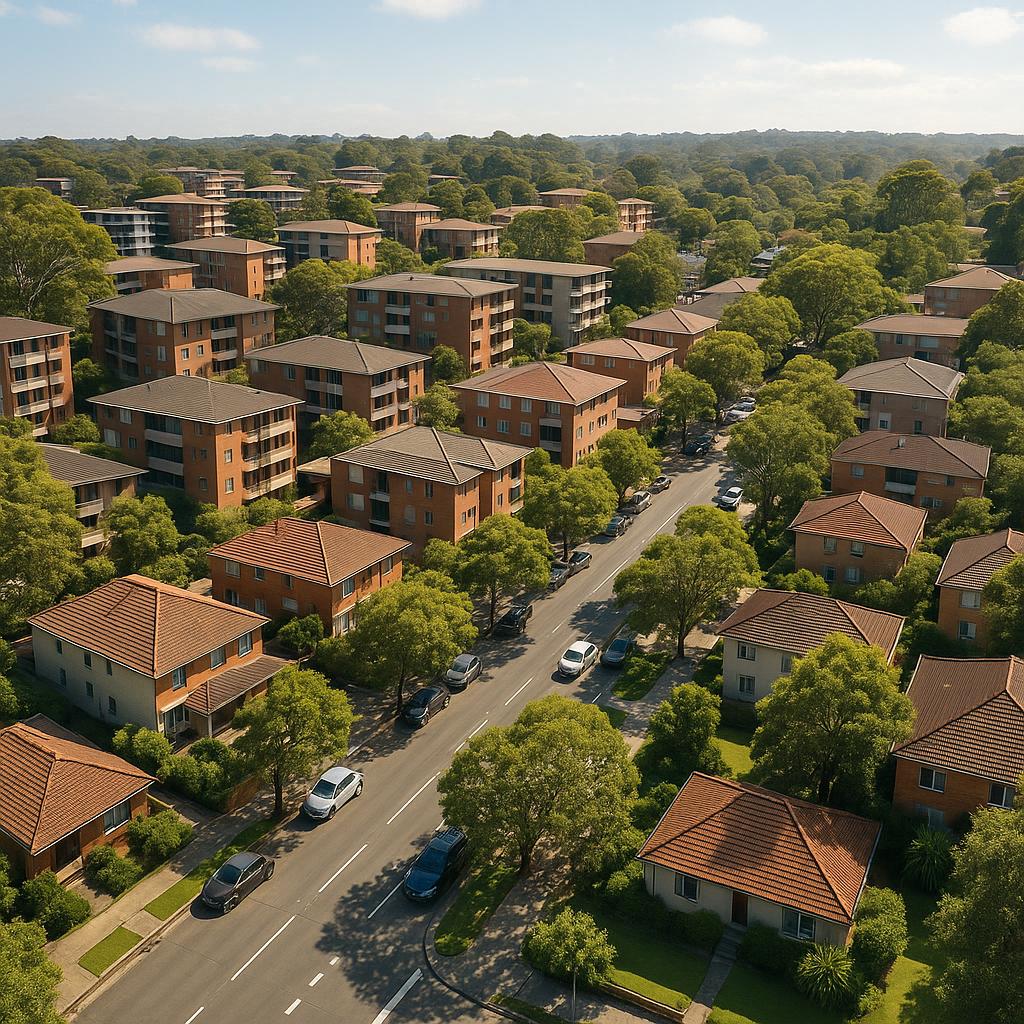
- Diverse housing stock compared with many tightly held lower north shore suburbs.
Cons
- Quality stock can be competitive, which may stretch budgets and reduce negotiating power.
- Some pockets are apartment-dominant, so building quality and strata matters a lot.
- Busy roads, noise, or awkward layouts can undermine value even within a desirable suburb.
Market Overview
Lane Cove is an established Lower North Shore suburb where demand is shaped by a mix of lifestyle appeal, convenience, and limited housing supply. The market is not about rapid reinvention; it is about steady end-user interest, strong amenity, and a location that remains relevant across market cycles.
For buyers, that means the suburb often rewards practical judgment. A well-presented apartment near transport or a family home on a quiet street can attract stronger competition than a superficially similar property in a less convenient pocket. The difference is often the block, the building, the street, and the daily ease of living.
Market conditions should still be checked in real time because Lane Cove can behave differently by property type. Older apartments, renovated houses, townhouse-style homes, and larger blocks each have their own buyer pool, so recent comparable sales and active listings matter more than broad suburb commentary.
Buyer Demand
Buyer demand in Lane Cove is usually strongest from households that want a practical lifestyle without moving too far from major employment hubs. Families look for space, parks, and a calmer environment, while professionals often value access and convenience over novelty.
Demand is also supported by the suburb’s broad appeal: people may enter through an apartment, trade up to a townhouse or house, and later downsize without leaving the area. That creates a deeper buyer pool than a niche suburb with only one obvious use case.
Rental Market
Lane Cove generally attracts tenants who want a balance of convenience and liveability. Apartments are often attractive to professionals and couples, while townhouses and houses can appeal to longer-term renters who need more space, privacy, or family functionality.
For investors, rental performance is usually driven by practical features rather than hype: good natural light, functional layouts, secure parking, storage, and easy access to transport and daily amenity. A plain but well-located property can outperform a prettier one that is harder to live in.
Lifestyle, Transport & Schools
Lane Cove has a leafy, established feel that many buyers associate with a stable family environment. The village-style centre and local services support everyday convenience, which matters because convenience is often what keeps residents in a suburb for years.
Transport is a key part of the investment equation. Bus access and road connectivity influence daily commute quality, especially for buyers who work across multiple Sydney precincts. In practice, a property that is easy to leave and easy to return to often has stronger resale appeal.
Schools and family infrastructure also support demand, but buyers should verify current catchment boundaries and options directly with official sources before relying on hearsay. Even non-school-focused buyers often pay attention to these factors because they help underpin long-term desirability.
Lane Cove Suburb Profile
Official 2021 Census snapshot for the ABS Suburbs and Localities geography.
Age profile
Housing tenure
Occupied private dwellings by tenure type.
Salary & income profile
Median total income reported in the Census.
*Annual figures are weekly median × 52 estimates, not separate ABS annual medians.
Education & qualifications
Highest educational attainment, people aged 15+.
Employment status
People aged 15+ who reported being in the labour force.
Industry of employment
Top responses among employed people aged 15 years and over.
Occupation profile
Broad occupation groups among employed residents, including managers.
Property Type Guide
- Apartments: Usually the most accessible entry point. Check strata records, building age, parking, noise, lift access, and floorplan efficiency.
- Townhouses: A useful middle ground for buyers wanting more space without full-house maintenance. Compare privacy, storage, and shared costs.
- Freestanding houses: Best suited to family buyers and long-term holders. Land value, renovation scope, and street quality matter most.
- Semi/duplex-style homes: Can offer house-like living with less upkeep, but inspect privacy, wall sharing, and driveway practicality closely.
Risks & Watch-Outs
- Do not assume every Lane Cove property will perform the same; micro-location can materially affect buyer and tenant appeal.
- Apartment buyers should review strata meetings, sinking fund strength, and any signs of deferred maintenance before committing.
- Busy roads, poor setbacks, or internal layout issues can reduce liveability and future resale strength.
- Parking and storage are not minor details in this suburb; they often influence day-to-day satisfaction more than cosmetic upgrades.
- Renovation budgets should be tested carefully, because overcapitalising is easy if the property’s base fundamentals are weak.
Nearby Suburbs to Compare
- Ryde NSW Property Market Guide: Buyers & Investors
- Macquarie Park NSW Property Market Guide: Buyers & Investors
- Epping NSW Property Market Guide: Buyers & Investors
- Artarmon
- Longueville
- Willoughby
FAQ
Is Lane Cove good for buyers?
Yes, if you want a suburb with strong liveability, established amenity, and a broad buyer pool. Lane Cove is especially appealing to households that prefer practical convenience, leafy streets, and a calmer feel than denser inner-city locations.
Is Lane Cove good for investors?
It can be, particularly when the property is chosen for tenant appeal rather than just postcode appeal. Investors should focus on building quality, layout, transport access, and the likely tenant profile, because those factors influence vacancy risk and holding comfort.
What type of property is best in Lane Cove?
There is no single best option. Apartments may suit buyers seeking lower maintenance and broader rental demand, while houses and townhouses often suit families who value space, privacy, and long-term flexibility. The right choice depends on budget and use case.
Is Lane Cove family-friendly?
Generally, yes. The suburb’s parks, local convenience, and settled residential character make it attractive to families. That said, buyers should inspect the exact street, traffic exposure, and school access rather than relying on suburb reputation alone.
What should I check before buying in Lane Cove?
Check strata records if buying an apartment, review parking and storage, assess noise and traffic exposure, and compare recent sales of similar properties. Also verify school zones, transport options, and any planned works through current official sources.
Conclusion
Lane Cove suits buyers who want a reliable, lifestyle-led suburb with strong everyday practicality. Its biggest strengths are location, amenity, and long-term appeal, but value depends heavily on micro-location and property type. If you verify the building, street, and current comparable evidence carefully, Lane Cove can be a sound choice for both homebuyers and investors.
Sources & how to verify
- Check current sold prices and active listings on Domain so you are comparing live evidence, not stale suburb commentary.
- Use realestate.com.au to compare rents, listing quality, property types, and days on market across Lane Cove and nearby suburbs.
- Review local planning controls and development information on the NSW Planning Portal before assuming a site has renovation or redevelopment potential.
- Confirm transport routes and service changes through Transport for NSW, especially if commute convenience is a key reason for buying.
- Verify school zones and enrolment details using the NSW School Finder rather than relying on informal suburb advice.
- Check local demographic and housing data on the ABS to understand household structure and tenure patterns, which can help explain demand.
- Read strata reports, meeting minutes, and building records carefully, because a well-located apartment can still carry hidden maintenance or levy risk.
- Visit the street at different times of day and compare it with recent comparable sales, because noise, parking, and access can change a property’s true value materially.