Quick Answer
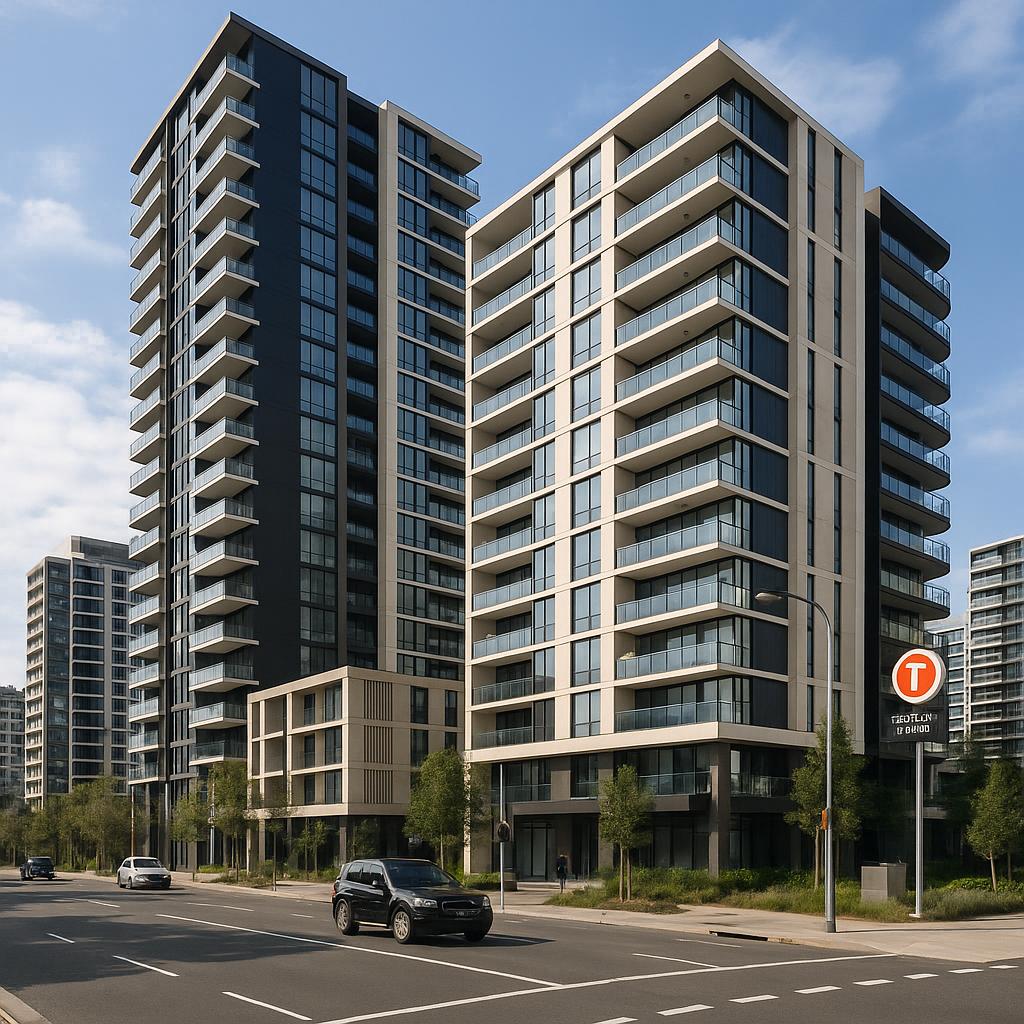
Macquarie Park is a high-demand Sydney suburb for buyers who value convenience and investors who want depth of tenant demand. It is primarily an apartment market, supported by strong employment, education, retail, and transport access. That makes it well suited to professionals, downsizers, and first-home buyers, but less suited to buyers chasing land, privacy, or a quiet low-density feel. Success here comes from choosing the right building, layout, and micro-location.
Key Takeaways
- Macquarie Park is an apartment-led, convenience-driven market rather than a traditional detached-house suburb.
- Buyer and renter demand is supported by jobs, transport, education access, and day-to-day amenity.
- Building quality, strata health, and floorplan efficiency matter more here than broad suburb branding.
- Investors should assess vacancy risk, tenant profile, and ongoing costs before relying on rent alone.
- Buyers should compare noise, aspect, parking, and walkability building by building, not just street by street.
Pros & Cons
Pros
- Strong connectivity to key Sydney employment and education hubs.
- Broad appeal to professionals, downsizers, and renters seeking low-maintenance living.
- Walkable pockets with retail, transport, and services close by.
Cons
- Limited detached-house stock means less land value exposure.
- Strata costs, special levies, and building defects can materially affect returns.
- Some precincts feel busy, high-density, or exposed to traffic and construction activity.
Market Overview
Macquarie Park is best understood as a major Northern Sydney urban hub, not a leafy family-home suburb. The local market is shaped by apartment living, commercial activity, and strong everyday convenience. That combination tends to keep the suburb relevant across market cycles, especially for people who want easy access to work, study, and transport.
For buyers, the key issue is not simply whether Macquarie Park is “good”, but which building, pocket, and product type you are considering. A well-designed apartment with good light, parking, and transport access can appeal to both owners and tenants. A poorly designed unit in a high-supply building may struggle even if the postcode looks attractive on paper.
In practical terms, this is a market where micro-location and building quality can outweigh broad suburb comparisons. Buyers should focus on liveability, strata health, and future resale depth. Investors should focus on tenant appeal, ongoing costs, and whether the building competes well against nearby apartment stock.
Buyer Demand
Demand in Macquarie Park is supported by a mix of owner-occupiers and renters who value time-saving convenience. That includes first-home buyers, professionals, relocating households, and downsizers who prefer lift access and lower maintenance. The suburb also attracts people comparing it with other high-amenity apartment markets across Sydney.
Buyer preferences usually centre on practical features: transport access, natural light, quiet positioning, secure parking, storage, and a layout that works for everyday life. For investors, the strongest opportunities are usually apartments that feel easy to lease and easy to resell, rather than those with headline-grabbing but impractical amenities.
Rental Market
Macquarie Park’s rental market benefits from a broad tenant base. Proximity to employment, education, retail, and public transport makes the suburb attractive to professionals, students, and corporate tenants. That diversity can support leasing momentum, but the best-performing stock is usually the most functional rather than the most flashy.
Rentals with good light, manageable layouts, parking, and sensible access to transport tend to stand out. Buildings with poor upkeep, awkward floorplans, or heavy competition from newer supply can take longer to lease. Investors should verify current asking rents and vacancy conditions using up-to-date listings rather than relying on suburb averages.
Lifestyle, Transport & Schools
Lifestyle in Macquarie Park is convenience-led. Residents have access to shopping, daily services, employment precincts, and parklands without needing a large land parcel or a quiet village streetscape. That suits busy households and commuters who want the practical benefits of urban living.
Transport is one of the suburb’s biggest strengths. Strong rail and metro connectivity, plus road access to nearby business districts and arterial routes, broadens the buyer and tenant pool. For apartments, transport access often supports both liquidity and day-to-day appeal, because it reduces commute friction and car dependence.
Schools and wider education access also matter here. Families and relocating households often assess school options alongside transport and housing type, especially when deciding between nearby suburbs. If school zoning is important to your decision, confirm it directly with current NSW education and school enrolment sources, because catchments and intake rules can change.
Macquarie Park Suburb Profile
Official 2021 Census snapshot for the ABS Suburbs and Localities geography.
Age profile
Housing tenure
Occupied private dwellings by tenure type.
Salary & income profile
Median total income reported in the Census.
*Annual figures are weekly median × 52 estimates, not separate ABS annual medians.
Education & qualifications
Highest educational attainment, people aged 15+.
Employment status
People aged 15+ who reported being in the labour force.
Industry of employment
Top responses among employed people aged 15 years and over.
Occupation profile
Broad occupation groups among employed residents, including managers.
Property Type Guide
- Apartments: The dominant product type. Best for investors, first-home buyers, and downsizers who want low maintenance and broad marketability.
- Townhouses / low-density stock: Less common and often contested when available. Useful for buyers wanting a middle ground between apartment convenience and more space.
- Detached homes: Limited within the immediate suburb context. Buyers seeking land and a traditional family-home feel usually need to compare neighbouring suburbs.
- What to prioritise: Look at layout, light, noise, aspect, parking, storage, and strata quality before comparing bedroom count alone.
Risks & Watch-Outs
- Strata fees and special levies can materially reduce investment returns or stretch owner-occupier budgets.
- Building defects, poor maintenance, or weak management can become expensive problems in apartment-led suburbs.
- New supply can create competition, especially where multiple similar apartments are available at once.
- Noise, traffic, and commercial activity may affect liveability more than buyers expect from online listings.
- Overpaying for “new” or “luxury” branding without checking the actual floorplan and strata records is a common mistake.
Nearby Suburbs to Compare
- Epping NSW Property Market Guide: Buyers & Investors
- North Ryde
- Chatswood
- Ryde
- Epping
FAQ
Is Macquarie Park good for first-home buyers?
Yes, if you want a well-connected apartment market and you are comfortable with strata costs. It suits buyers who prioritise convenience, modern living, and access over land size. The key is to buy a building with sensible ongoing costs and strong liveability.
Is Macquarie Park a strong suburb for investors?
It can be, because tenant demand is supported by employment, transport, and education access. However, investors should not assume every apartment performs equally. Building quality, floorplan efficiency, and the amount of nearby supply all affect rentability and resale strength.
What type of property is usually safest to buy here?
A well-located apartment in a reputable building is often the most practical choice. Look for good natural light, manageable strata, secure access, and a layout that appeals to both owner-occupiers and tenants. Avoid relying on marketing language alone.
What should I inspect before purchasing?
Review the strata records, building condition, common areas, parking access, noise exposure, and any nearby development activity. Also inspect at different times of day if possible. In apartment suburbs, the same floorplan can feel very different depending on aspect and surrounding activity.
Are houses common in Macquarie Park?
No. The suburb is primarily apartment-led, so detached housing is limited. If you want a house with land, you will usually need to compare neighbouring suburbs instead. That is why Macquarie Park is often better suited to low-maintenance buyers.
Conclusion
Macquarie Park is a convenience-first suburb with strong appeal for buyers who want access, low-maintenance living, and solid tenant depth. It is less about land and quiet streets, and more about choosing the right apartment in the right building. If you focus on strata health, layout, noise, and transport access, the suburb can work well for both homeowners and investors.
Sources & How to Verify
- Check current sold prices and rental listings on Domain before relying on any market estimate, because apartment pricing can vary sharply by building and aspect.
- Use realestate.com.au to compare asking rents, days on market, and competing stock so you understand how your target property fits the local market.
- Review transport access and service changes on Transport for NSW to confirm station, metro, and bus connectivity for the exact part of the suburb you are considering.
- Check planning controls and development activity through the NSW Planning Portal so you can assess future supply, nearby construction, and zoning impacts.
- Confirm school zones and enrolment information via the NSW School Finder because catchments and intake rules can change over time.
- Use ABS community data to understand broader demographic context, but do not treat it as a substitute for current building-level demand analysis.
- Ask the strata manager or selling agent for minutes, levies, and capital works information so you can identify defects, disputes, or likely future expenses before making an offer.