Quick Answer
Grafton suits buyers who want a regional centre with everyday amenity, heritage character, and a more grounded lifestyle than metro or coastal hotspots. For homeowners, the key is choosing the right pocket, checking condition carefully, and understanding flood and insurance implications at address level. For investors, the strongest opportunities usually come from practical, easy-to-rent homes with broad tenant appeal and manageable upkeep. Grafton can work well, but only when you verify the exact site, recent comparable sales, and current rental evidence before committing.
Key Takeaways
- Grafton offers regional convenience, character streetscapes, and a lifestyle that appeals to families, downsizers, and relocating buyers.
- Buyer demand is usually strongest for well-located homes with good presentation, sensible layouts, and easy access to daily services.
- Investors should focus on low-maintenance dwellings, realistic rental assumptions, and holding costs that include insurance and upkeep.
- Flood exposure and drainage need address-specific checking, because risk can vary materially from one street to the next.
- The best buying strategy is to compare pockets, verify recent sales and rents, and judge resale appeal before chasing price alone.
Pros & Cons
Pros
- Regional centre convenience with shops, services, health access, and a recognisable town identity
- Broad property mix, including character homes, renovated stock, and lower-maintenance options
- Appeal across several buyer groups, including owner-occupiers, downsizers, and investors
Cons
- Flood and drainage considerations can materially affect confidence, insurance, and holding costs
- Older housing stock may require more repairs, upgrades, and ongoing maintenance
- Demand can be more sensitive to local employment conditions and regional market sentiment
Market Overview
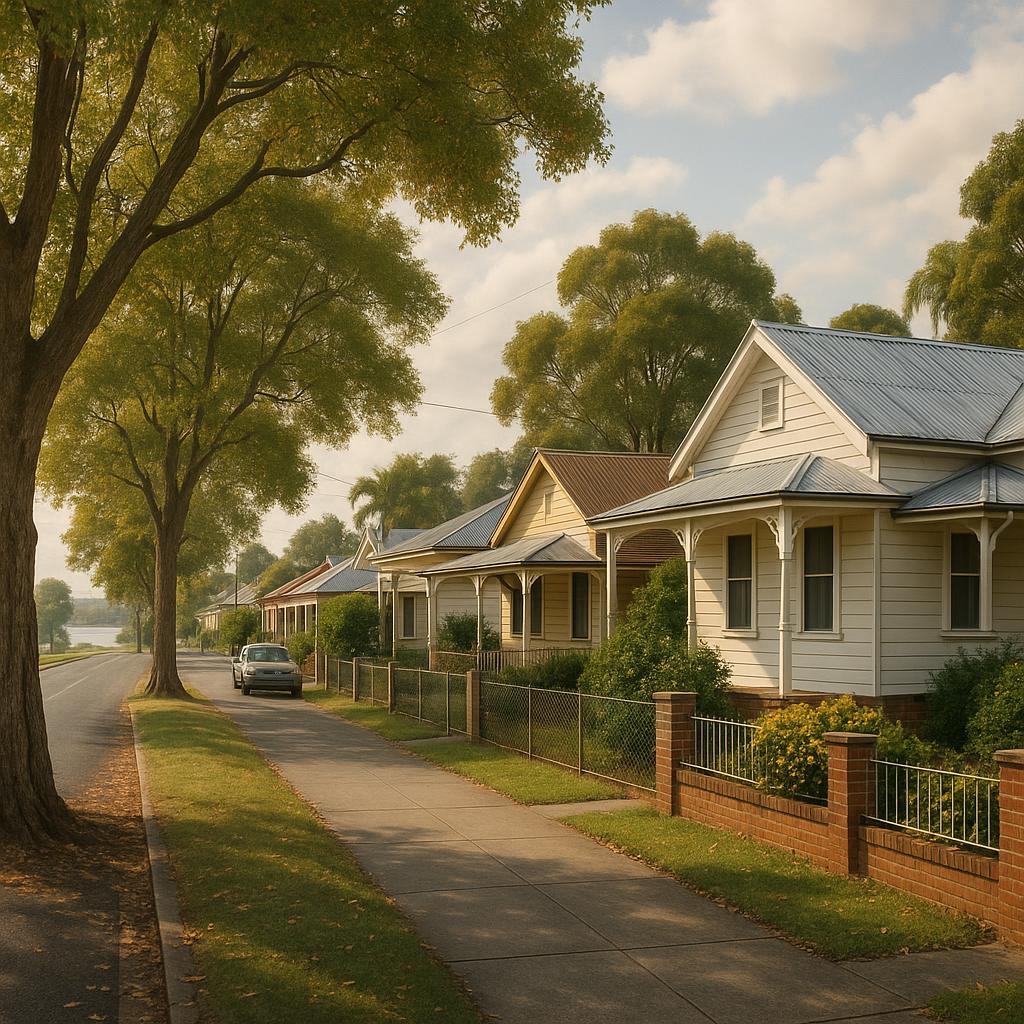
Grafton is a regional Clarence Valley centre with a strong local identity, established residential streets, and a practical services base. It often attracts buyers who want more space, less congestion, and a lifestyle that feels closer to everyday needs than to big-city intensity.
The market is best understood at pocket level, not just suburb level. Homes closer to services, with better presentation and lower perceived risk, usually attract wider interest than properties that need work or sit on more complicated sites. That matters because broad appeal usually supports better resale flexibility.
For investors, Grafton can be attractive when the property is straightforward to maintain and easy for tenants to live in. For homeowners, the suburb can suit people who value heritage feel, community familiarity, and a slower pace, provided they do the due diligence on condition, insurance, and flood exposure.
Buyer Demand
Demand in Grafton is usually shaped by practical needs: local moves, family sizing-up or downsizing, and buyers coming from larger markets who want a more affordable regional base. Properties that solve day-to-day problems tend to attract the strongest attention.
To assess demand properly, look at who is inspecting the home, how quickly comparable stock is selling, and whether renovated houses or entry-level dwellings are moving fastest. A property that suits both owner-occupiers and investors often has the widest buyer pool.
Rental Market
The rental market is usually driven by local workers, families, and people relocating within the region. In that environment, functionality often beats flair: clean presentation, good parking, sensible floor plans, and usable outdoor space matter a great deal.
Investors should be careful not to rely on optimistic rent assumptions. Check current listings, vacancy patterns, and insurer feedback before buying, especially if the property is older or in a location where flood risk may affect tenant appetite and policy costs.
Lifestyle, Transport & Schools
Grafton offers a community-oriented regional lifestyle with a strong sense of place, heritage character, and access to everyday amenities. That combination appeals to buyers who want a calmer routine without giving up practical services.
Transport decisions are mostly about road access, regional travel patterns, and how easily the property connects to work, shops, and appointments. For families, school access, childcare convenience, and after-school logistics can be just as important as the home itself.
Because the liveability equation is so location-specific, it helps to map real daily routines before buying. A property that shortens school runs or appointment travel may be worth more to end users than a cheaper home with a less convenient address.
Grafton Suburb Profile
Official 2021 Census snapshot for the ABS Suburbs and Localities geography.
Age profile
Housing tenure
Occupied private dwellings by tenure type.
Salary & income profile
Median total income reported in the Census.
*Annual figures are weekly median × 52 estimates, not separate ABS annual medians.
Education & qualifications
Highest educational attainment, people aged 15+.
Employment status
People aged 15+ who reported being in the labour force.
Industry of employment
Top responses among employed people aged 15 years and over.
Occupation profile
Broad occupation groups among employed residents, including managers.
Property Type Guide
- Older character homes: appealing for charm and streetscape, but check maintenance, wiring, plumbing, roof condition, and moisture issues carefully.
- Renovated houses: often attract the widest buyer and tenant interest, provided workmanship is solid and cosmetic updates are backed by practical quality.
- Original stock: can offer value-add potential, but budget for repairs, holding time, and a realistic renovation scope.
- Low-maintenance units or smaller dwellings: can suit investors and downsizers, but confirm the body corporate structure and local tenant demand.
- Homes on larger blocks: may suit families and future improvement plans, yet they can also bring more upkeep and site-specific risk.
Risks & Watch-Outs
- Flood and drainage risk should be checked at the exact address, not assumed from the suburb name alone.
- Insurance can materially change the numbers, so obtain quotes before you become unconditional.
- Older homes may hide deferred maintenance, termite history, or ageing services that affect true purchase value.
- Street-by-street variation matters in Grafton, because convenience, elevation, and presentation can shift buyer perception quickly.
- Regional markets can be more sensitive to local conditions, so a long-term view is safer than a short-term resale assumption.
Nearby Suburbs to Compare
FAQ
Is Grafton a good place to buy property?
It can be, especially for buyers who want a regional centre with services, character, and a less hectic lifestyle. The key is choosing the right pocket and checking site-specific risks before you buy. Broadly, Grafton rewards practical due diligence more than hype.
Is Grafton good for property investors?
It can suit investors who prioritise straightforward tenant appeal, manageable maintenance, and realistic holding costs. The best results usually come from homes that are easy to lease and easy to maintain, rather than properties that depend on optimistic rent growth.
What types of homes are most appealing in Grafton?
Well-presented houses with functional layouts tend to have the broadest appeal. Renovated stock, tidy older homes, and low-maintenance dwellings can all work, but each needs to be assessed against the likely buyer or tenant audience and the ongoing cost of ownership.
What should buyers check before purchasing in Grafton?
Check flood and drainage information, building condition, insurance cost, and comparable sales for similar homes nearby. If investing, also review current rental listings and speak with local agents about tenant demand in the specific pocket you are targeting.
Should I buy for lifestyle or yield in Grafton?
Choose the strategy that matches your objectives. Lifestyle buyers may pay more for convenience and character, while investors should focus on resilience, ease of letting, and costs. In regional markets, the safest purchases usually satisfy both the numbers and the liveability test.
Conclusion
Grafton can be a sensible choice for buyers who want regional convenience, character, and a more relaxed pace. The best purchases are usually the ones that balance liveability, risk management, and resale appeal. If you verify the exact site, compare recent evidence, and stay disciplined on condition and insurance, Grafton can offer practical value for both homeowners and investors.
Sources & How to Verify
- Check current sold prices and active listings on Domain so you are comparing real-time evidence rather than relying on outdated estimates.
- Review listing history and rental availability on realestate.com.au to gauge how similar homes are being presented and how long they remain on market.
- Use the NSW Planning Portal to check zoning, development controls, and any planning constraints that may affect renovations or future use.
- Confirm school catchments and enrolment details through the NSW School Finder rather than assuming a property sits in the catchment you expect.
- Look at local flood and environmental information via the Clarence Valley Council website and ask the council for the relevant address-level mapping if available.
- Check transport routes and service changes with Transport for NSW so commuting and regional access are based on current timetables and road information.
- Use the ABS for broad demographic context, but verify the latest local market conditions with current listings and agent feedback before making assumptions.