Quick Answer
Lismore suits buyers who want a regional Northern Rivers market with practical amenity, relative affordability, and a mix of owner-occupier and investor demand. It is not a coastal lifestyle play; it is a service-centre market where value, convenience, and property resilience matter more than flash. For investors and homeowners, the best opportunities usually come from careful street-by-street due diligence, realistic insurance checks, and selecting homes with broad appeal, manageable upkeep, and strong everyday liveability.
Key Takeaways
- Lismore is a regional service centre, so demand is driven by everyday needs rather than holiday or prestige factors.
- Affordability can be attractive, but buyers must weigh flood exposure, insurance costs, and building condition carefully.
- Well-located homes with practical access to services, schools, and employment generally have the widest buyer and tenant appeal.
- Older stock can offer value-add potential, but only if renovation budgets and risk allowances are realistic.
- Micro-location matters: two properties in the same suburb can have very different long-term outcomes.
Pros & Cons
Pros
- More attainable than many metro and coastal NSW markets
- Useful mix of services, schools, health care, and daily convenience
- Can suit owner-occupiers, renovators, and investors with a clear strategy
Cons
- Flood exposure and insurance can materially change the deal
- Older housing stock may require more maintenance and inspection work
- Resale depth can vary by street, site, and property condition
Market Overview
Lismore is a major inland centre in the Northern Rivers, so it behaves more like a practical service market than a coastal lifestyle suburb. That matters for buyers: the strongest demand often comes from people who need to live close to work, healthcare, education, and town services rather than those chasing a holiday feel.
The local market tends to be highly location-sensitive. One pocket may appeal for convenience and family livability, while another may require a more cautious stance because of terrain, flood exposure, access, or older building stock. Buyers should look at the immediate street and property profile, not just the suburb name.
For investors, Lismore is best approached as a selective regional purchase rather than a broad-market bet. Homes that are easy to maintain, broadly rentable, and sensible to insure are usually stronger long-term candidates than cheap properties with hidden holding costs.
Buyer Demand
Demand in Lismore typically comes from first-home buyers, families, renovators, and local or essential workers. These buyers are usually focused on practicality: commute convenience, usable land, liveability, and whether the home will remain easy to own over time.
That creates a clear strategy split. Buyers seeking value may target older homes with improvement potential, while more conservative purchasers often prefer homes that are already serviceable and easier to insure and maintain. The more move-in-ready the property, the broader its likely appeal.
Rental Market
Rental demand is generally supported by local employment, health and education activity, and households that want to stay close to town facilities. For investors, the strongest rental candidates are usually properties that are tidy, functional, and low-fuss rather than simply cheap to buy.
Tenant retention is often about liveability and reliability. A home that is well-presented and easy to maintain may outperform a bargain property that creates ongoing repair calls, especially in a market where renters value stability and practical access more than luxury finishes.
Lifestyle, Transport & Schools
Lismore offers a grounded regional lifestyle with local shops, cafes, health services, and education options. It suits buyers who want everyday convenience and community familiarity rather than the pace of a coastal tourism market.
Transport is largely road-based, so access to work, services, and surrounding Northern Rivers centres should be part of the buying decision. Convenience affects both liveability and resale value, especially for families and commuters who need predictable daily travel.
School access can be a major demand driver, but buyers should verify catchments, commute times, and current enrolment options using official sources. For many households, the difference between a good purchase and a frustrating one comes down to how well the location fits routine life.
Lismore (NSW) Suburb Profile
Official 2021 Census snapshot for the ABS Suburbs and Localities geography.
Age profile
Housing tenure
Occupied private dwellings by tenure type.
Salary & income profile
Median total income reported in the Census.
*Annual figures are weekly median × 52 estimates, not separate ABS annual medians.
Education & qualifications
Highest educational attainment, people aged 15+.
Employment status
People aged 15+ who reported being in the labour force.
Industry of employment
Top responses among employed people aged 15 years and over.
Occupation profile
Broad occupation groups among employed residents, including managers.
Property Type Guide
- Houses: Often the main choice for families, long-term owners, and buyers seeking land, flexibility, or renovation upside.
- Units: Can suit investors or downsizers wanting lower maintenance, but strata costs and building quality still need scrutiny.
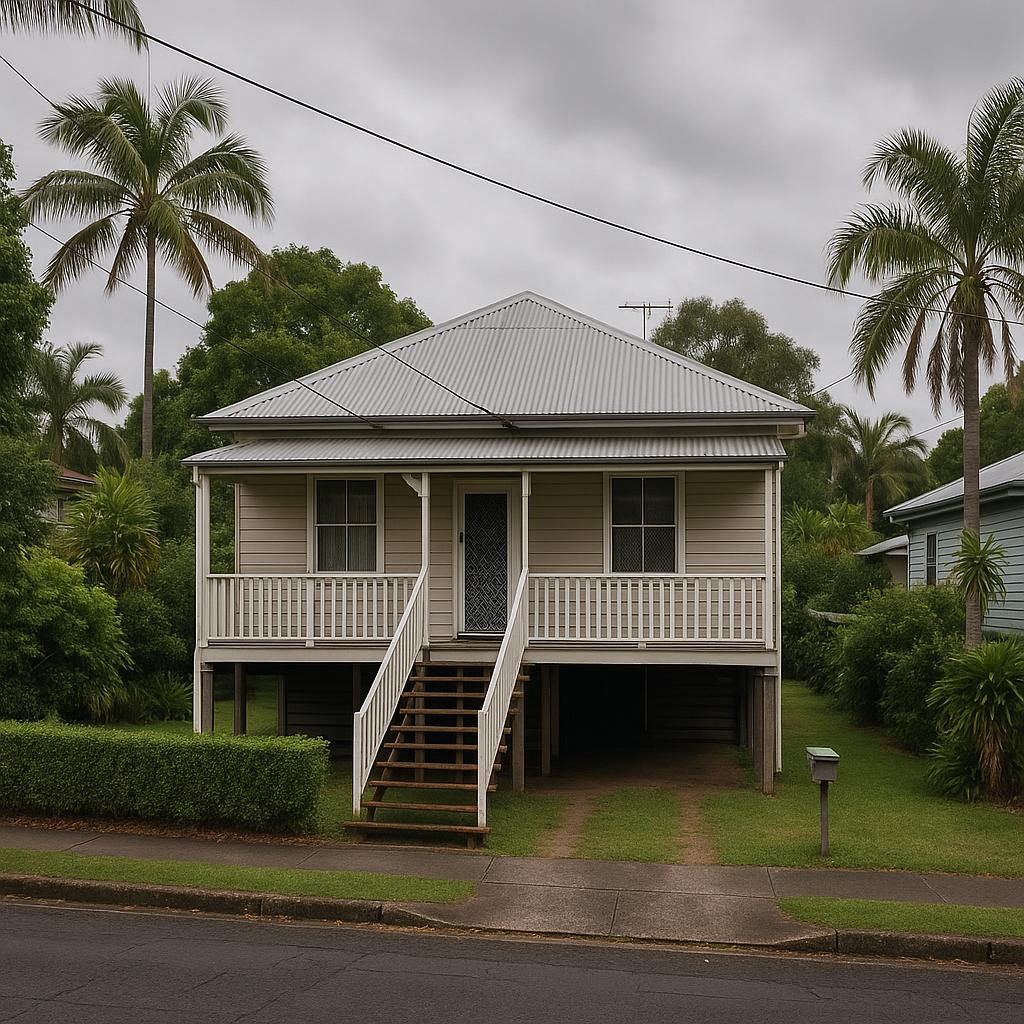
- Older homes: May offer character and value, yet require careful checks for moisture, structure, roofs, plumbing, and electrical condition.
- Renovators: Best for buyers with disciplined budgets who can improve liveability and resale appeal without underestimating holding costs.
Risks & Watch-Outs
- Flood exposure should be checked at block level, not assumed from suburb-level commentary.
- Insurance premiums and exclusions can change affordability more than many buyers expect.
- Older homes may hide structural, drainage, or moisture issues that are not obvious at first inspection.
- Some properties will have weaker resale depth if they sit in less preferred pockets or need extensive work.
- Renovation maths should include contingency, because unexpected repairs are common in older regional stock.
Nearby Suburbs to Compare
FAQ
Is Lismore a good place to buy a house?
Lismore can be a sensible purchase for buyers who value regional convenience, relative affordability, and a community-oriented lifestyle. The key is to buy selectively. Location, elevation, property condition, and insurance feasibility matter more here than in many standard suburban markets.
Is Lismore suitable for property investors?
Yes, but only with disciplined due diligence. The strongest investor candidates are usually low-maintenance homes with broad tenant appeal, practical access to services, and manageable holding costs. Investors should not rely on headline rent alone; insurance and maintenance can materially affect returns.
What property type is best in Lismore?
There is no single best option. Houses often suit families and long-term ownership, while units can suit buyers seeking simpler upkeep. Older homes may offer value-add potential, but only if the building condition and renovation budget are realistic.
What is the biggest risk when buying in Lismore?
Flood exposure is the major issue to investigate, but it is not the only one. Buyers should also check insurance costs, drainage, building condition, and whether the property’s exact street has a stronger or weaker risk profile than the suburb average suggests.
How should I compare Lismore with nearby areas?
Compare lifestyle fit, access to services, property type mix, and risk profile rather than focusing only on price. In regional markets, one nearby suburb may offer better elevation, easier daily convenience, or stronger buyer depth for future resale.
Conclusion
Lismore is a regional market that rewards careful, practical buyers. If you focus on street-level risk, building quality, and long-term usability, it can offer genuine value for both homeowners and investors. The best outcomes usually come from conservative assumptions, strong inspection work, and a clear strategy matched to the property type.
Sources & how to verify
- Check current listings and recent sold results on Domain to confirm how active the market is and what comparable properties are actually achieving.
- Review current listings and rental availability on realestate.com.au to gauge tenant demand, property type mix, and asking rents.
- Use the NSW school finder to verify catchments, nearby schools, and whether a property suits family buyers or renters.
- Check flood and planning information on the Lismore City Council website so you can assess site-specific overlays, local constraints, and hazard context.
- Confirm transport and corridor access on Transport for NSW rather than relying on informal commute estimates.
- Use ABS data for broad demographic context, but treat it as background only and not a substitute for property-by-property due diligence.
- Obtain an insurance quote from a current provider before making an offer, because premiums and exclusions can change the economics of the purchase materially.
- Arrange building and pest inspections, and if needed, ask a licensed conveyancer or solicitor to review title, contract conditions, and any special risk disclosures.