Quick Answer
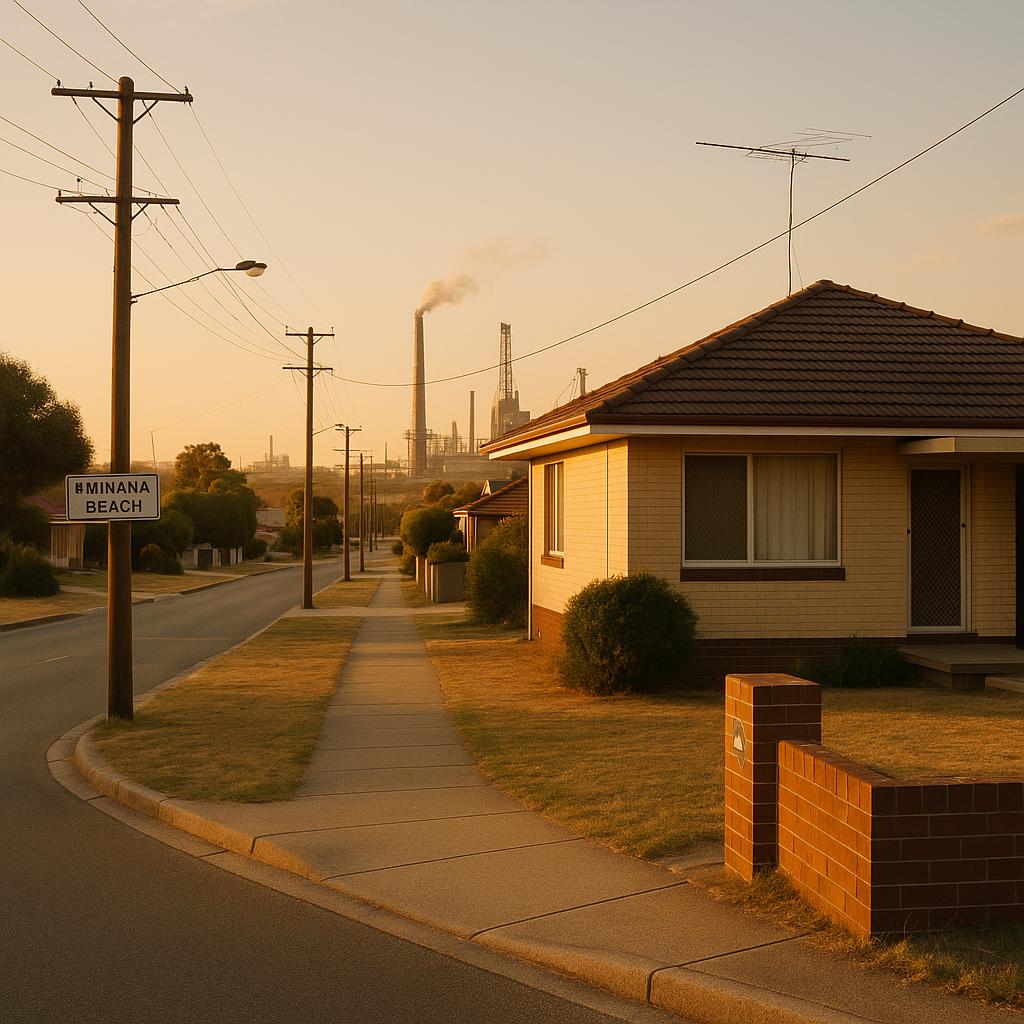
- Kwinana Beach is a coastal-industrial suburb in the City of Kwinana with a very different feel from typical family coastal suburbs.
- Best fit for: buyers who understand trade-offs between affordability, location, and industrial-adjacent living; investors looking for rental demand tied to nearby employment hubs; owner-occupiers who prioritise access and value over lifestyle prestige.
- Short answer on 2026 market angle: value tends to be shaped by employment access, infrastructure, and industrial proximity.
- Why it matters: this is a suburb where the investment story is less about postcard appeal and more about functional demand, affordability, and resilience.
Key Takeaways
- Kwinana Beach is not a one-size-fits-all suburb; it suits a specific buyer profile.
- Strong analysis needs to account for industrial land use and surrounding infrastructure, housing type mix and tenant profile, commute practicality, and lifestyle trade-offs around amenity, noise, and exposure to non-residential activity.
- For investors, the main question is rental demand durability and maintenance planning. For homeowners, the main question is whether the suburb matches daily routines, not just advertised coastal proximity.
- This guide is designed to help you weigh opportunity against downside risk without relying on headline assumptions.
Pros & Cons
- Pros: functional location for workers connected to industry, logistics, construction, and nearby employment nodes; potentially more affordable entry than many coastal or inner-metro alternatives; practical for buyers who value access over prestige; can appeal to tenants needing convenience to work corridors.
- Cons: industrial setting can affect amenity, noise, outlook, and buyer perceptions; resale and tenant appeal may be narrower than in lifestyle-led suburbs; outdoor enjoyment and streetscape quality may be less consistent; more complex due diligence is required around zoning, land use, and surrounding activity.
Buyers often overfocus on the suburb label and underfocus on the lived experience of the street and surrounding land use. A buyer seeking a peaceful beachside family feel may be disappointed, while a buyer wanting access to work and practical housing could find the area compelling.
Suburb snapshot
Kwinana Beach is known for its coastal location within a working industrial precinct. That mix creates a split market perception: practical for some, undesirable for others. The built environment can vary significantly by pocket, and two nearby streets may deliver very different living experiences and resale outcomes.
Mini case study: one buyer inspects at different times of day and chooses a quieter pocket with manageable surrounding activity. Another buys from a map, later noticing freight movement, industrial noise, and commercial activity nearby. The lesson is simple: in niche suburbs, street-level checking matters as much as postcode-level optimism.
Investor view
Kwinana Beach may appeal to investors who understand practical rental demand rather than broad lifestyle demand. The central question is whether the property fits the likely renter cohort: workers, contractors, trades, and households prioritising access and affordability.
For investors, the highest-value checks are tenant profile, ongoing maintenance expectations, and street-by-street desirability. In a suburb like this, vacancy risk can rise if the property is awkwardly laid out, poorly presented, or requires more upkeep than the market is willing to reward.
Scenario 1: a low-maintenance dwelling close to worker access routes attracts consistent, practical tenants. Scenario 2: a property needing upgrades struggles if it competes against better-presented nearby options.
Investment strategy should prioritise durable finishes, low-hassle yards, easy upkeep, and realistic insurance checks. If you are comparing practical WA markets, it may also help to read our guides to Beachlands, South Bunbury, and Onslow to see how different demand drivers shape investor outcomes.
Homeowner view
Owner-occupiers often choose Kwinana Beach because it can offer a value-focused entry point and access to employment and services. The trade-off is that day-to-day comfort depends heavily on the exact pocket, surrounding land use, and your tolerance for industrial-adjacent living.
Before buying, test noise at different times, note odours and traffic patterns, and consider whether the property suits children, pets, work-from-home, and outdoor entertaining. A home purchase is about daily comfort, not just capital growth potential.
Owner-occupier tip: visit at weekday peak hours and after dark, not only on a quiet weekend morning.
Market drivers
Demand in Kwinana Beach can be influenced by nearby industrial, logistics, and trade-related employment, plus road connectivity and broader corridor improvements. Supply and stock quality also matter: limited desirable housing pockets may support value better than generic stock.
Perception plays a large role here. Industrial adjacency can cap emotional demand even when the location is functional. That is why the suburb may move differently from lifestyle coastal markets. If a transport or employment change improves commuting efficiency, buyer interest can rise among workers even if the suburb remains niche to outsiders.
Cost of Living Breakdown
- Housing costs: assess entry price and rent expectations against condition, location, and land-use context rather than suburb name alone.
- Utility and maintenance considerations: coastal exposure can increase maintenance needs over time, and older dwellings may need more frequent repairs and preventative care.
- Transport costs: car dependency may be important to factor into daily convenience.
- Lifestyle spending: fewer premium amenity options nearby can shift spend toward travel, dining elsewhere, or recreation outside the suburb.
A suburb can look affordable on paper but still feel expensive once transport, maintenance, and lifestyle substitutions are included. Budget for living with the suburb, not just living in the house.
Transport & Commute Details
The core question is whether the suburb is practical for your work, school, and weekend routines. Access to major road links and nearby employment areas can be a strength, while public transport usefulness may be more limited than in inner-metro locations. Test the commute during the exact times you would normally travel.
Scenario examples: a shift worker may value direct road access and predictable travel, while a remote worker may care more about noise, outlook, and home-office suitability than commute time.
Property type guide
Likely stock characteristics to evaluate include older homes versus updated dwellings, low-maintenance layouts versus larger blocks, and renovation potential versus move-in-ready convenience. In a niche suburb, the right property type can matter more than the suburb name itself.
What suits investors is usually a simple, durable layout with minimal upkeep and a profile that is easy to lease to practical renters. What suits homeowners is a home that feels comfortable in all seasons and at all times of day.
Case-study angle: a renovated home with good internal presentation may outperform a cheaper property that feels tired or exposed to surrounding activity. Presentation is not cosmetic here; it affects tenant and buyer confidence.
Comparison with Other Areas
Compare Kwinana Beach against nearby and similar areas on price/value entry, lifestyle appeal, tenant depth, commute convenience, and noise/amenity profile. The key question is what you are giving up and what you are gaining.
If you want prestige and a stronger beach lifestyle, you may prefer another suburb. If you want work access and a more grounded budget, Kwinana Beach may be the better fit. For a wider perspective on comparison markets, you may also find our guides to Cable Beach, North Beach, and Watermans Bay useful as contrast reading.
Rental Market Insights
Tenant demand is likely linked to workers, trades, contractors, and households prioritising access and affordability. Renters in this kind of market usually look for easy parking, manageable maintenance, good presentation, and practical floor plans.
Vacancy risk can increase if the property has awkward layouts, poor street appeal, or excessive upkeep. Landlords should keep the property neutral, robust, and easy to maintain, with a buffer for repairs and periodic refreshes. Avoid overcapitalising on finishes that the likely tenant base will not pay extra for.
Future Growth & Development
In 2026 and beyond, the main things to watch are infrastructure projects, employment precinct changes, local planning decisions, and environmental, industrial, or transport-related upgrades. Future growth in niche suburbs often follows practical improvements rather than broad beautification narratives.
Scenario: a transport improvement can make the suburb more viable for commuters even if it does not change the streetscape overnight. Focus on actual planned changes, not speculative hype. Verify project timing through government sources and local planning updates before making a purchase decision.
Safety & Crime
Assess safety responsibly by reviewing recent local conditions from official and current sources, inspecting the street at different times of day, and noting lighting, foot traffic, and property presentation. Perception and lived experience can differ significantly block by block.
Buyer caution is important here: avoid making assumptions from suburb-wide labels alone. A quiet street near a workplace corridor may feel very different from a street with more transient activity. For current data, check official police, local government, and community sources rather than relying on older commentary.
Who This Area Is Best For
- Value-conscious buyers who accept a niche setting
- Investors seeking practical rental demand
- Workers wanting close access to nearby employment zones
- Buyers who can separate “coastal” from “beach lifestyle” expectations
It is less suited to buyers chasing prestige coastal living, households highly sensitive to noise or industrial surroundings, and investors relying on broad emotional demand.
FAQ
Is Kwinana Beach a good suburb to buy in 2026?
It can be, but only for buyers who understand the trade-offs. The suburb is better viewed as a functional, niche market than a universal lifestyle play.
Is Kwinana Beach better for investors or owner-occupiers?
It can work for both, but investors often focus on practical rental demand while owner-occupiers need to be more confident about daily comfort, noise tolerance, and surrounding land use.
What type of property performs best in Kwinana Beach?
Typically, low-maintenance, well-presented homes with durable finishes and easy upkeep are the safest fit. The exact street and condition matter greatly.
How does Kwinana Beach compare with nearby coastal suburbs?
It is generally more practical and less lifestyle-led than blue-chip coastal suburbs. That can improve affordability but also narrows buyer appeal.
What should buyers check before purchasing here?
Inspect at different times of day, review surrounding land use, check transport patterns, assess maintenance needs, and confirm insurance implications.
Is the suburb suitable for families?
Some families may find it workable if the property and pocket suit their routines, but families should be especially careful about school logistics, outdoor amenity, and tolerance for industrial proximity.
Does industrial proximity affect long-term value?
It can influence buyer perception, amenity, and resale depth. The impact varies by street, property type, and nearby activity, so street-level due diligence is essential.
Due diligence checklist
- Visit morning, afternoon, and evening.
- Check traffic, noise, parking, and surrounding activity.
- Review building condition, maintenance history, ventilation, and outdoor durability.
- Check zoning, land-use context, and nearby industrial or transport activity.
- Confirm insurance implications.
- Identify the likely resale audience and rental audience.
- Build a realistic holding-cost and maintenance budget.
Red flags / watch-outs
- Buying based on map proximity alone.
- Assuming all coastal addresses have a lifestyle premium.
- Ignoring industrial adjacency, noise, or odour considerations.
- Overestimating rental demand without confirming tenant fit.
- Choosing a property with poor street appeal and expecting strong resale momentum.
- Skipping insurance and maintenance review.
Common mistakes
- Confusing “near the coast” with “beach lifestyle”.
- Buying after a single quiet inspection window.
- Ignoring how industry-adjacent settings affect buyer psychology.
- Spending on cosmetic upgrades that do not change market perception.
- Failing to compare alternate suburbs before committing.
Tools, templates & resources
- Street inspection template: note noise, odour, traffic, parking, and adjacent land use at three times of day.
- Holding-cost worksheet: include rates, insurance, maintenance, vacancy allowance, and transport costs.
- Rental appraisal template: compare recent similar listings and ask what tenant profile each property attracts.
- Commute test plan: drive or catch transport at the exact times you would normally travel.
- Property comparison grid: rank each shortlisted home on condition, location quality, street feel, and resale depth.
Sources & how to verify
- ABS Census QuickStats: https://www.abs.gov.au/census/find-census-data/quickstats/2021
- City of Kwinana: https://www.kwinana.wa.gov.au/
- WA Planning Commission / Planning Portal: https://www.wa.gov.au/organisation/wa-planning-commission
- Landgate WA: https://www.landgate.wa.gov.au/
- Public Transport Authority WA: https://www.pta.wa.gov.au/
- Transperth journey planning: https://www.transperth.wa.gov.au/Journey-Planner
- WA Police statistics and community safety information: https://www.police.wa.gov.au/Crime/Crime-Statistics
- ACCC / insurance and consumer guidance where relevant: https://www.accc.gov.au/
- Realestate.com.au sold and rental listings for current market checks: https://www.realestate.com.au/
- Domain sold and rent evidence: https://www.domain.com.au/
- Verify current sales and rental evidence through major portals before assuming value bands or yields.
- Check the exact street and lot context, not just the suburb label.
- Review planning maps for nearby industrial, transport, or special-use zoning.
- Confirm whether the property sits near freight routes, heavy vehicle movement, or other non-residential activity.
- Inspect during peak commute periods and after dark.
- Use official transport planners to test school and work routines.
- Review insurer wording carefully if the property has exposure concerns.
- Look up current local government planning and development updates.
- Check police and local government sources for up-to-date safety information.
- Compare the property against at least two alternatives in nearby suburbs before making a decision.
Conclusion
Kwinana Beach can make sense for the right buyer, but it rewards careful research more than impulse buying. Its value lies in practicality, access, and a clear-eyed understanding of trade-offs.
If you are considering Kwinana Beach in 2026, inspect deeply, compare nearby alternatives, and match the property to your real-life needs or tenant strategy. Use the checklist, compare pockets, and verify what the suburb feels like before you commit.