Quick Answer
Essendon West is generally best suited to buyers and investors who want an established inner-northwest location with family appeal, access to the Maribyrnong River corridor, and good links to nearby retail, transport, and employment hubs. It is not a one-size-fits-all suburb: the right result depends heavily on the pocket, the dwelling type, and the amount of work needed. For investors, the strongest opportunities are usually low-maintenance properties with broad tenant appeal and sensible holding costs.
Key Takeaways
- Essendon West suits buyers who value established streets, practical amenity, and a quieter feel close to Melbourne’s inner northwest.
- Property performance is often driven more by exact location, layout, and condition than by suburb name alone.
- Why this matters: in mature suburbs, the best outcomes usually come from selecting the right pocket and dwelling type.
- Investors should favour homes that are easy to maintain, easy to lease, and aligned with local tenant preferences.
- Always verify overlays, flooding, parking, and renovation scope before making assumptions about value or future upside.
Pros & Cons
Pros
- Established suburb character with broad appeal to owner-occupiers.
- venient access to nearby retail, recreation, and employment corridors.
- Good fit for buyers wanting suburban calm without losing inner-urban connectivity.
Cons
- Older housing stock can mean variable maintenance and update costs.
- Street-by-street differences can materially affect liveability and resale.
- Some properties may need extra due diligence around overlays, drainage, or access.
Market Overview
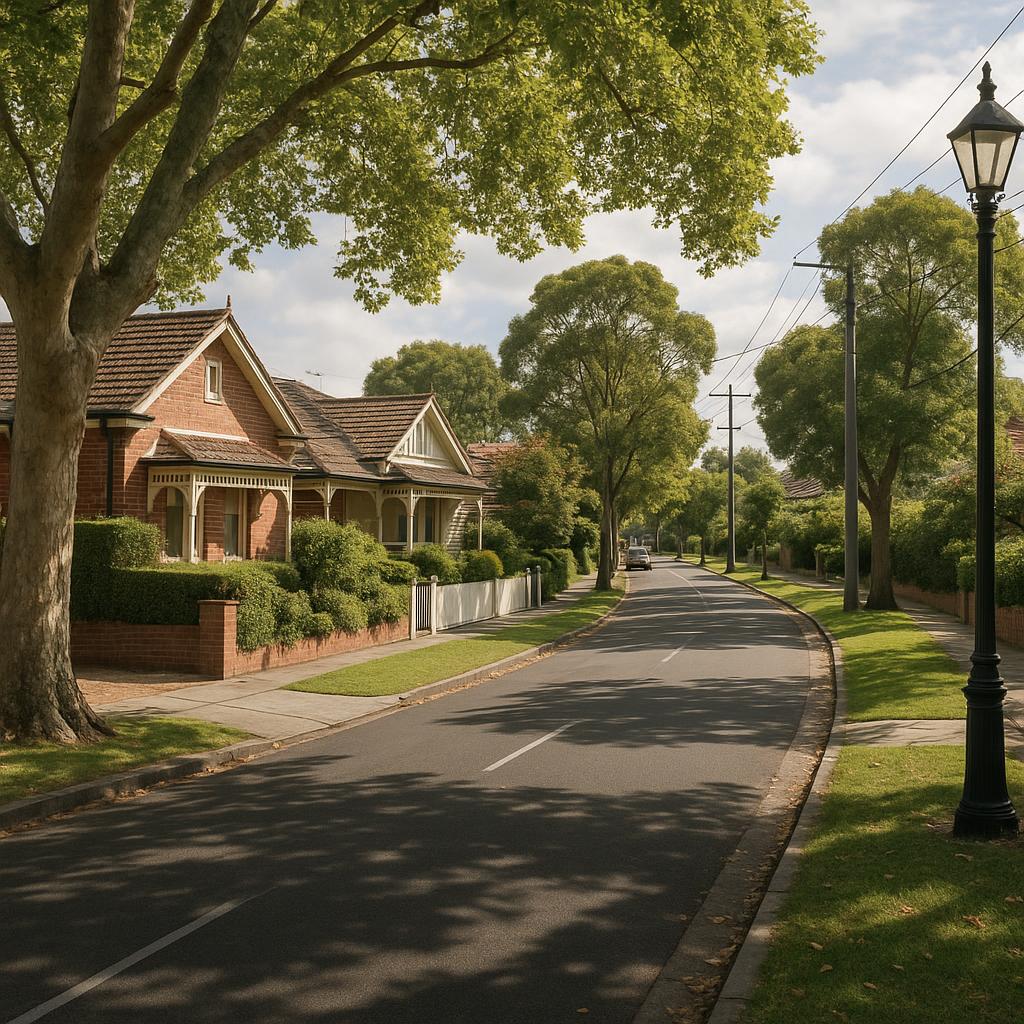
Essendon West is an established Melbourne inner-northwest suburb with a practical, residential feel and strong spillover appeal from surrounding amenity. Its market is shaped less by flashy new supply and more by the quality of the individual asset: land, layout, presentation, and street context matter a lot.
For many buyers, the attraction is the balance between convenience and relative calm. For investors, that same balance can support consistent demand, provided the property is functional, well-located, and not carrying hidden maintenance or planning issues.
The suburb tends to reward buyers who think like end-users. A well-kept home on a quiet street with usable parking and a sensible floorplan can be far more competitive than a larger property with awkward access or heavy renovation needs.
Buyer Demand
Buyer demand in Essendon West is usually driven by owner-occupiers, families, and downsizers who want an established area with practical day-to-day convenience. That can create solid competition for homes that are move-in ready and easy to live in.
Investors also look here, but the best opportunities are typically those that match local renter expectations: low maintenance, good access, comfortable living spaces, and straightforward parking. In this suburb, presentation and functionality often matter as much as headline size.
Rental Market
The rental market is generally supported by tenants who want access to inner-northwest Melbourne without the density and lifestyle trade-offs of more central areas. That can include professionals, couples, and small families.
Properties that lease best usually have practical layouts, solid natural light, heating and cooling, and easy upkeep. For investors, the real question is not just “can it rent?” but “how easily will it re-let, and at what maintenance cost over time?”
Lifestyle, Transport & Schools
Essendon West offers a lifestyle that suits people who want established neighbourhood feel, access to green space, and proximity to everyday services. The Maribyrnong River corridor is a meaningful draw for walking, cycling, and recreation-oriented buyers.
Transport convenience is a key part of the suburb’s appeal. Road access and bus connectivity matter, while nearby train options in surrounding suburbs can expand commuter choice. Buyers should check the exact daily commute rather than rely on broad location assumptions.
School access is another common decision factor for families, but zones and catchments can change. Verify current school zoning and childcare proximity before treating the suburb as a family-only play. For many households, this kind of due diligence is as important as the property itself.
Essendon West Suburb Profile
Official 2021 Census snapshot for the ABS Suburbs and Localities geography.
Age profile
Housing tenure
Occupied private dwellings by tenure type.
Salary & income profile
Median total income reported in the Census.
*Annual figures are weekly median × 52 estimates, not separate ABS annual medians.
Education & qualifications
Highest educational attainment, people aged 15+.
Employment status
People aged 15+ who reported being in the labour force.
Industry of employment
Top responses among employed people aged 15 years and over.
Occupation profile
Broad occupation groups among employed residents, including managers.
Property Type Guide
- Detached houses: Often the main owner-occupier drawcard. Stronger land appeal, but usually more maintenance and higher renovation risk.
- Townhouses: A practical middle ground for buyers wanting lower upkeep and a more manageable footprint.
- Units: Can suit first-home buyers or investors seeking lower entry complexity, but check owner corporation costs and building quality.
- Older homes: Offer value-add potential if the structure, layout, and location are sound. Budget carefully for compliance and upgrades.
- Renovated stock: Appeals to buyers wanting certainty and convenience, though premium pricing means you should inspect finish quality closely.
Risks & Watch-Outs
- Check planning overlays, flood-related controls, and drainage considerations before assuming a property is straightforward to alter or extend.
- Older homes can hide deferred maintenance, so inspect roofs, subfloors, plumbing, and electrical condition with care.
- Parking, street exposure, and access can influence resale and rental performance more than many buyers expect.
- Not all pockets feel the same; busy roads and boundary-adjacent sites may trade at a discount for good reason.
- Value-add only works when renovation cost, timing, and likely end value are all aligned.
Nearby Suburbs to Compare
- Aberfeldie VIC Property Market Guide: Buyers & Investors
- Ascot Vale VIC Property Market Guide: Buyers & Investors
- Maribyrnong VIC Property Market Guide: Buyers & Investors
- Travancore VIC Property Market Guide: Buyers & Investors
- Essendon West VIC Property Market Guide: Buyers & Investors
FAQ
Is Essendon West a good suburb for families?
It can be, especially for families who value an established suburb with a quieter residential feel, access to recreation, and practical everyday convenience. The strongest family outcomes usually come from choosing the right street, dwelling layout, and school-zone fit.
Is Essendon West a good area for investors?
Yes, if you focus on tenant appeal rather than chasing a generic suburb label. Low-maintenance properties with functional layouts, parking, and good presentation are more likely to hold up well than homes that need major work before leasing.
What should I check before buying in Essendon West?
Prioritise overlays, drainage, parking, access, property condition, and likely renovation costs. Then compare the home against nearby alternatives, because two similar-looking properties can perform very differently once location and maintenance are considered.
Which property types are most attractive here?
That depends on your goal. Detached homes usually appeal to families and long-term owners, while townhouses and well-kept units can suit investors or downsizers wanting easier maintenance. The best option is the one that matches your holding strategy.
How do I compare Essendon West with nearby suburbs?
Use a side-by-side lens: commute, lifestyle, property type, land component, renovation risk, and ongoing costs. Suburb comparisons are most useful when they focus on how a home actually performs for living or renting, not just on postcode reputation.
Conclusion
Essendon West rewards careful, street-level due diligence. Buyers who focus on condition, functionality, and micro-location are more likely to make a sound decision than those who buy on suburb name alone. For investors, the strongest approach is to target low-maintenance assets with broad demand and manageable holding costs.
Sources & how to verify
- Check current property listings and sold evidence on Domain to confirm what comparable homes are actually achieving today.
- Use realestate.com.au to compare current rental asking prices, dwelling features, and how long similar properties remain listed.
- Review planning controls on Planning Victoria so you can check overlays, zoning, and development constraints before you buy.
- Confirm flood, drainage, and local infrastructure context with Moonee Valley City Council before assuming a site is free from practical restrictions.
- Verify school zones and nearby education options through the Find My School tool, because school boundaries can influence buyer demand.
- Check transport service options and route changes via Public Transport Victoria so your commute assumptions are current.
- Use ABS data if you want suburb demographics, but confirm the latest release date before relying on it for strategy.
- If you are considering a townhouse or unit, review any body corporate or owners corporation documents carefully to understand ongoing costs and rules.