Quick Answer
East Melbourne is a tightly held, premium inner-city suburb that suits buyers who value prestige, walkability, heritage character, and low-friction living close to the CBD. It is usually best for owner-occupiers, downsizers, and investors who prioritise quality location over land size. Scarcity is a major feature here, so property type, building quality, and exact micro-location matter more than broad suburb labels.
Key Takeaways
- Scarcity is the defining feature of East Melbourne, so quality listings can attract strong competition quickly.
- The suburb suits buyers who prioritise convenience, walkability, and prestige more than large yards or newer stock.
- Investors should focus on tenant appeal, building condition, and low-maintenance ownership rather than chasing headline yield.
- Heritage homes, terraces, and boutique apartments each serve different buyer needs and carry different risks.
- Comparing nearby suburbs helps reveal whether East Melbourne’s premium is justified for your budget and lifestyle goals.
Pros & Cons
Pros
- Prestigious inner-city address with enduring appeal
- Strong lifestyle convenience for work, parks, and transport access
- Limited supply supports long-term desirability
Cons
- High entry barrier for many buyers
- Small amount of stock can limit choice
- Older homes and apartments may need careful maintenance review
The suburb’s strengths are also its constraints, so the right buyer profile matters. A buyer seeking a secure, low-maintenance base near the city may find East Melbourne ideal, while a family needing a large backyard may quickly rule it out.
Market Overview
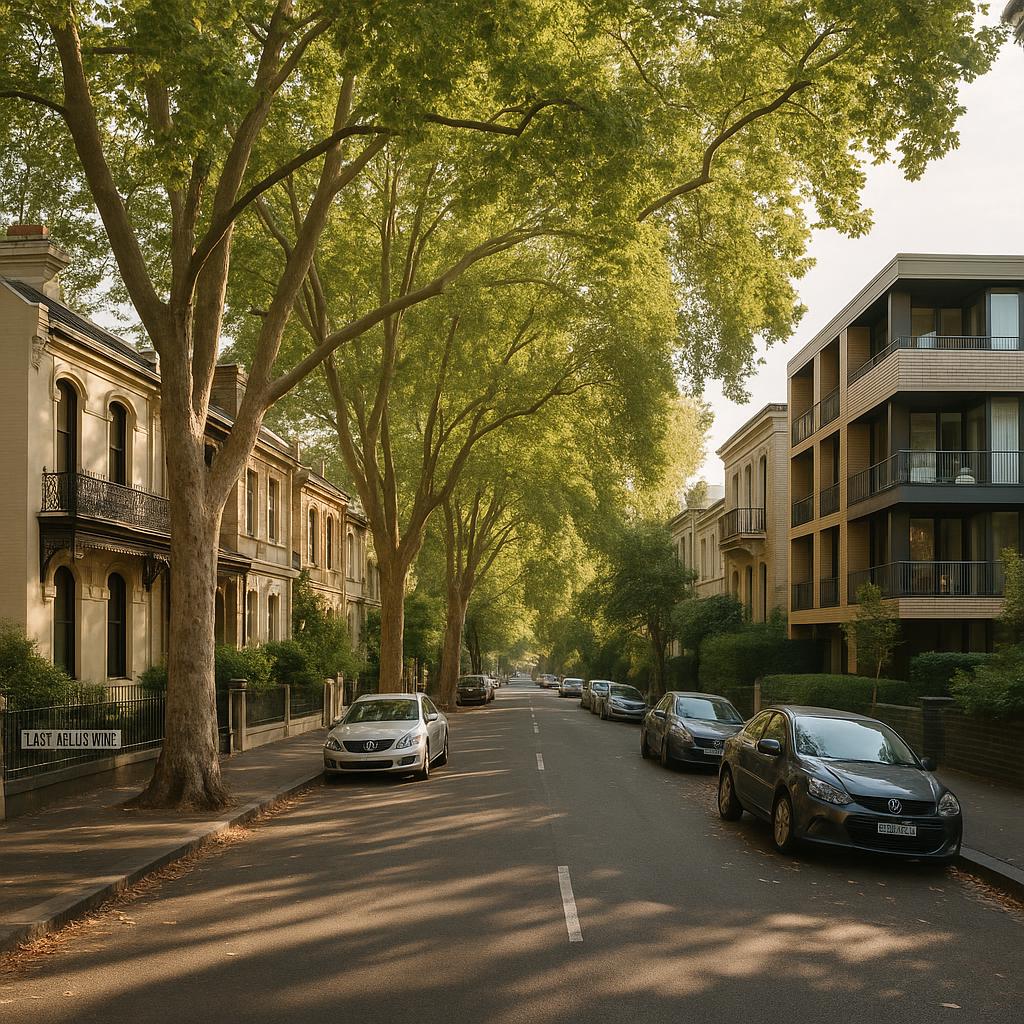
East Melbourne sits on the CBD fringe and is one of Melbourne’s most recognisable blue-chip inner suburbs. It combines heritage streetscapes, apartment living, and institutional landmarks, with much of its value tied to address, convenience, and scarcity rather than size alone.
The market tends to behave like a tightly held micro-market. When well-presented homes or apartments come up, buyers often respond quickly because there is not much comparable stock. That makes the building, street, outlook, and layout especially important.
For investors and home buyers, the key lesson is that East Melbourne is rarely a “discount” suburb. It is a suburb where buyers pay for location quality, established character, and reduced daily friction. That means careful comparison between properties matters as much as the suburb name itself.
Buyer Demand
Buyer demand in East Melbourne is typically driven by owner-occupiers, downsizers, professionals, executives, and long-term investors. The common thread is a preference for proximity, ease, and status without the maintenance burden of larger outer-suburban homes.
Demand is strongest for properties that are easy to live in and easy to lease. That usually means good natural light, practical floorplans, secure access, and a location that feels quiet but still highly connected. If a property has heritage charm as well, it can become especially competitive.
Rental Market
East Melbourne appeals to tenants who want close access to the CBD, major employment areas, hospitals, and public transport. That often includes professionals, medical workers, corporate tenants, and couples who value convenience and a premium-feeling address.
For investors, the best rental outcomes usually come from properties that minimise day-to-day friction: secure entry, useful storage, sensible layouts, and manageable maintenance. In this suburb, a functional well-kept apartment can be more effective than a prettier property with awkward rooms or higher ongoing costs.
Lifestyle, Transport & Schools
East Melbourne offers a refined inner-city lifestyle with leafy streets, heritage character, and close access to parks, cafés, and cultural destinations. The suburb can feel quiet and residential even though it is so close to the CBD, which is a major part of its appeal.
Transport convenience is strong, but buyers should check the exact walking route rather than relying on map distance alone. Depending on the pocket, access to tram and train options can be very practical for commuters, and that can materially affect both liveability and rental demand.
School access is best assessed carefully rather than assumed. Family buyers should verify zoning, entry requirements, and travel times using current official sources, because proximity to the city does not automatically mean the suburb is the best fit for every schooling plan.
East Melbourne Suburb Profile
Official 2021 Census snapshot for the ABS Suburbs and Localities geography.
Age profile
Housing tenure
Occupied private dwellings by tenure type.
Salary & income profile
Median total income reported in the Census.
*Annual figures are weekly median × 52 estimates, not separate ABS annual medians.
Education & qualifications
Highest educational attainment, people aged 15+.
Employment status
People aged 15+ who reported being in the labour force.
Industry of employment
Top responses among employed people aged 15 years and over.
Occupation profile
Broad occupation groups among employed residents, including managers.
Property Type Guide
- Heritage homes and terraces: strong character, prominent street presence, and long-term appeal, but inspect for renovation limits, older services, and maintenance needs.
- Boutique apartments: often attractive to downsizers, professionals, and investors; review strata health, layout efficiency, soundproofing, and parking carefully.
- Premium residences: rarer stock with strong owner-occupier appeal, but the purchase price, upkeep, and inspection detail need disciplined assessment.
- Best inspection focus: heritage controls, drainage, roof condition, building records, natural light, ventilation, and whether the floorplan matches day-to-day use.
Risks & Watch-Outs
- Limited stock can pressure buyers into acting quickly, so it is easy to overpay for a superficially attractive listing.
- Older buildings may hide maintenance issues, especially where services, waterproofing, or common-property upkeep have been deferred.
- Heritage charm can restrict renovation flexibility, so buyers should check overlays and planning constraints before making assumptions.
- Apartment buyers need to review owners corporation records, levies, and defect history rather than relying on presentation alone.
- Parking, storage, and street noise can materially change usability, even within a prestigious suburb.
Nearby Suburbs to Compare
- West Melbourne VIC Property Market Guide: Buyers & Investors
- Southbank VIC Property Market Guide: Buyers & Investors
- Carlton South VIC Property Market Guide: Buyers & Investors
- Flinders Lane VIC Property Market Guide: Buyers & Investors
- Jolimont
FAQ
Is East Melbourne good for first-home buyers?
It can be, but only for buyers whose budget, borrowing capacity, and lifestyle goals align with premium inner-city living. First-home buyers should be especially disciplined about strata quality, floorplan practicality, and whether the property is a true long-term fit rather than a stretch purchase.
Is East Melbourne better for buyers or investors?
It works well for both, but the best fit depends on your objective. Owner-occupiers tend to value the address, convenience, and prestige, while investors usually focus on durable tenant demand, low-maintenance stock, and easy leasing rather than speculative upside.
What property type is most common in East Melbourne?
The suburb is known for a mix of apartments and heritage-style dwellings, with some larger homes also present. Exact stock varies a lot by street and pocket, so buyers should not assume all East Melbourne properties offer the same lifestyle or maintenance profile.
Is East Melbourne a good long-term hold?
It is often appealing to long-term buyers because scarcity and proximity support enduring demand. That said, holding costs, building condition, renovation limits, and strata obligations still matter. A strong suburb does not replace careful asset selection.
What should buyers inspect most carefully?
Focus on building quality, natural light, layout efficiency, noise exposure, storage, parking, and likely ongoing costs. In East Melbourne, those practical factors can matter more than cosmetic presentation because they affect both liveability and resale appeal.
Conclusion
East Melbourne is a premium inner-city suburb where scarcity, convenience, and lifestyle value drive buyer interest. It is best suited to those who want a refined address and are prepared to assess property quality closely. The smartest purchase here is rarely the flashiest one; it is the one that matches the buyer’s purpose, budget, and long-term plan.
Sources & How to Verify
- Check current sold prices and rental listings on Domain before relying on any market estimate.
- Compare recent sales and local listing trends on realestate.com.au to understand what buyers are actually paying today.
- Use ABS data to confirm demographic and household trends rather than assuming the suburb’s resident profile.
- Review planning controls and heritage overlays on City of Melbourne or relevant planning pages to understand development and renovation constraints.
- Verify public transport access and route convenience on Public Transport Victoria using your exact property location and commute pattern.
- Check school zoning and enrolment rules through Find My School because catchments and eligibility can change.
- Request owners corporation records, building reports, and any special levy history before buying an apartment, as these details can materially affect total ownership cost.
- Verify recent comparable sales and rent evidence with at least two independent sources so you can separate suburb reputation from actual property performance.