Quick Answer
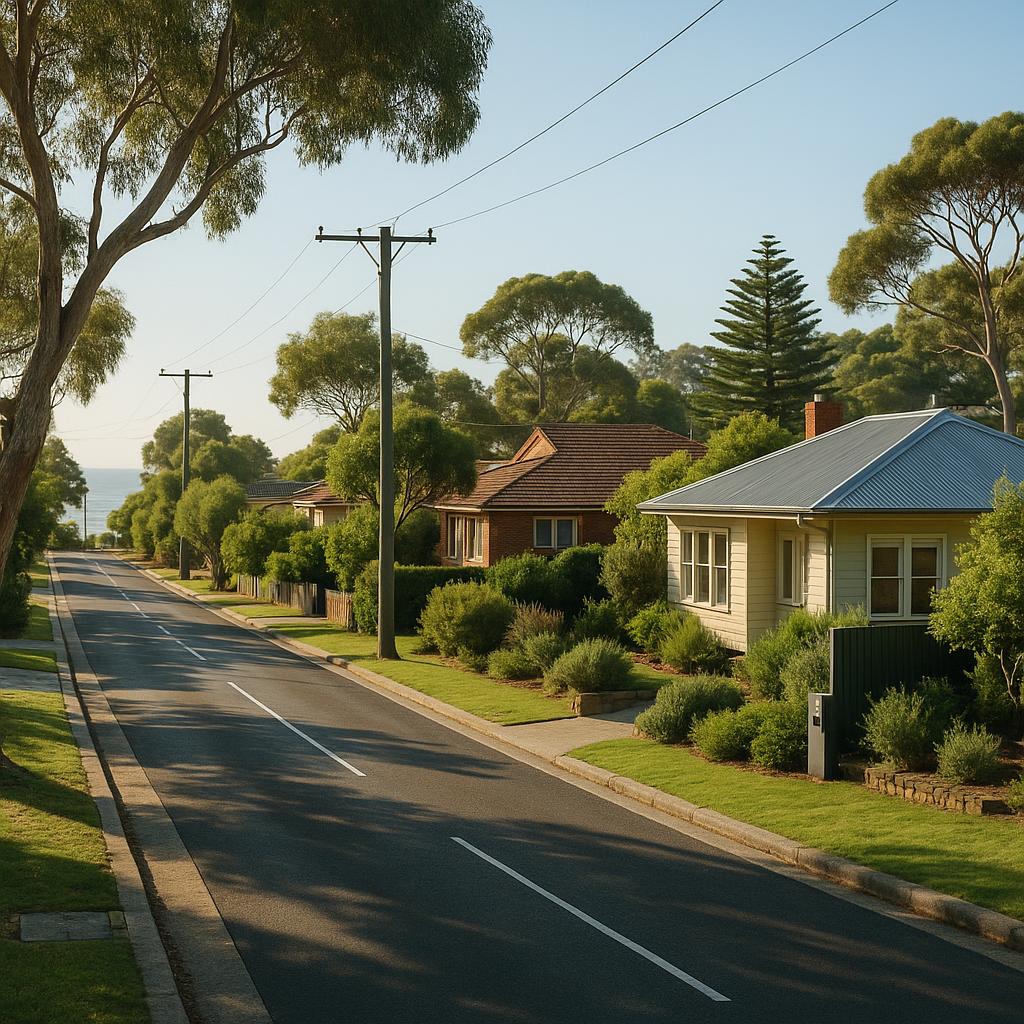
Mornington VIC is a premium bayside suburb where lifestyle, amenity, and buyer depth matter more than chasing the cheapest entry point. It tends to suit owner-occupiers, downsizers, families, and long-term investors who value established demand, coastal character, and everyday convenience. The most important value drivers are exact location, land, presentation, and how well the property fits the next buyer or tenant. For investors, the safer path is usually a broadly appealing, lower-maintenance home close to amenity.
Key Takeaways
- Mornington is a lifestyle-led market, so value is shaped by coastal amenity, walkability, and home quality.
- Micro-location matters: foreshore access, village proximity, and quieter residential streets can perform very differently.
- Owner-occupiers dominate many decisions, which can support resilience but also push prices on desirable properties.
- Investors should prioritise tenant-friendly layouts, manageable maintenance, and broad appeal over novelty or prestige alone.
- The suburb suits buyers seeking long-term liveability, not those focused mainly on short-term cash flow.
Pros & Cons
Pros
- Strong coastal lifestyle appeal supports steady owner-occupier interest.
- Multiple buyer segments create depth across houses, townhouses, and units.
- Established amenity makes day-to-day living practical, not just picturesque.
Cons
- Desirable pockets can attract a premium that stretches budgets quickly.
- Coastal exposure can mean higher maintenance and insurance scrutiny over time.
- Some properties are bought emotionally, which can reduce value discipline.
Market Overview
Mornington is an established Mornington Peninsula suburb with a strong bayside identity, a mix of lifestyle homes and practical residential pockets, and clear appeal to owner-occupiers. It is best understood as a set of micro-markets rather than one uniform suburb: foreshore-adjacent homes, village-convenient streets, family-friendly inland pockets, and lower-maintenance housing all compete for different buyers.
That matters because the suburb’s pricing and demand are often driven by convenience, land quality, home condition, and the feel of the street as much as by the broader Mornington name. Buyers often pay for the right combination of location and liveability, while investors need to assess whether the property will appeal to the next tenant as well as the next owner.
For many purchasers, Mornington offers the balance they want: coastal living without feeling isolated, and a residential base with enough amenity to support everyday routines. Verification tip: compare recent comparable sales by property type and pocket, not just by suburb name, because the market can diverge sharply between streets.
Buyer Demand
Demand is typically strongest from downsizers, families, professionals, sea-changers, and long-term investors who are comfortable paying for lifestyle quality. Downsizers often prioritise single-level living, convenience, and low-maintenance ownership, while families look for usable layouts, outdoor space, and practical access to daily services.
What keeps buyer interest broad is that Mornington suits more than one end-use case. A well-located unit can appeal to a lock-and-leave buyer, a townhouse may suit a time-poor household, and a house on land can attract buyers thinking about renovation, extension, or long-term holding. The main mistake is assuming every part of the suburb has the same buyer pool.
Rental Market
For investors, rental demand is usually strongest for homes that are easy to maintain, close to amenity, and presented in a clean, functional way. Tenants in lifestyle suburbs still care about value, but they also respond well to convenience, parking, storage, and a home that feels comfortable rather than overly specialised.
Mornington can suit investors who accept that this is not a pure yield play. The better approach is to look for a property that will lease consistently across seasons, with manageable upkeep and broad appeal to established renters. Before buying, verify current asking rents and vacancy patterns through live listings and local property managers rather than relying on old estimates.
Lifestyle, Transport & Schools
Mornington’s lifestyle appeal is a major reason people stay. The suburb combines a bayside setting, village-style amenity, recreation options, and a relaxed local rhythm that attracts buyers who want more than just a house. That lifestyle premium can be a strength, but only if the property supports actual everyday use.
Transport and access should be considered in practical terms. Mornington is often chosen for peninsula living rather than a city-centre commute, so buyers should test drive times, parking, and school-run practicality from the exact address. Families commonly assess education options alongside parks, childcare, and sports facilities, but should verify catchments, enrolment rules, and suitability directly with official sources.
As a rule, the best Mornington properties are easy to live in day to day: simple access, usable streets, sensible parking, and enough convenience to reduce friction. A great location on paper can feel very different at school-drop-off time or when traffic builds on busy weekends.
Mornington (Vic.) Suburb Profile
Official 2021 Census snapshot for the ABS Suburbs and Localities geography.
Age profile
Housing tenure
Occupied private dwellings by tenure type.
Salary & income profile
Median total income reported in the Census.
*Annual figures are weekly median × 52 estimates, not separate ABS annual medians.
Education & qualifications
Highest educational attainment, people aged 15+.
Employment status
People aged 15+ who reported being in the labour force.
Industry of employment
Top responses among employed people aged 15 years and over.
Occupation profile
Broad occupation groups among employed residents, including managers.
Property Type Guide
- Houses: Best for land value, renovation potential, privacy, and long-term family demand; watch maintenance and coastal wear.
- Townhouses: Often suit downsizers and investors wanting lower upkeep with decent livability; check design quality and body corporate terms.
- Units: Useful for lower-entry buyers and investors seeking simpler upkeep; evaluate strata costs and the depth of resale demand.
- Premium lifestyle homes: Strong emotional appeal and prestige, but usually higher holding costs and a narrower buyer pool.
The right property type matters because it shapes your exit strategy. If you want flexibility, land and location usually matter most. If you want lower effort, a well-designed townhouse or unit may be the better fit. If you are buying for lifestyle, make sure the premium features genuinely match your day-to-day needs.
Risks & Watch-Outs
- Do not overpay for presentation, views, or a famous pocket without checking comparable sales carefully.
- Coastal environments can mean more maintenance, particularly for external finishes, roofs, and exposed materials.
- Some homes look impressive but have awkward layouts, limited parking, or weak functionality for families and tenants.
- Investor buyers should not assume every premium suburb automatically delivers strong rent relative to purchase price.
- Always factor in holding costs, potential vacancy, and any strata or renovation obligations before committing.
Nearby Suburbs to Compare
- Mount Eliza VIC Property Market Guide: Buyers & Investors
- Frankston South
- Frankston VIC Property Market Guide: Buyers & Investors
- Mount Martha
- Rosebud
- Safety Beach
FAQ
Is Mornington better for buyers or investors?
Mornington can work for both, but the logic differs. Buyers usually value lifestyle, convenience, and long-term liveability. Investors need broad tenant appeal, manageable maintenance, and a property type that is easy to rent and resell. The suburb is strongest when those goals overlap.
What property type suits Mornington best?
There is no single best type. Houses suit land-focused buyers and long-term family demand, while townhouses and well-located units can suit downsizers and investors who want lower maintenance. The right choice depends on your budget, holding capacity, and exit strategy.
Is Mornington a good long-term hold?
It can be, because established lifestyle suburbs often attract repeat buyer interest over time. The key is buying the right asset, not just the right suburb. Choose location quality, practical layout, and manageable costs so the property remains attractive in different market conditions.
What should investors watch most closely?
Focus on tenant depth, maintenance burden, and whether the property will still appeal in five years. A beautiful home that is expensive to maintain or hard to let can become a weaker investment than a simpler, better-located property with broader demand.
How do schools and transport influence value?
They matter because they affect the daily routines of families and renters. Buyers often pay more for convenience, but that premium should be verified with actual access, not assumptions. Check official school and transport information directly, and test the route at peak times.
Conclusion
Mornington is best seen as a premium lifestyle suburb with enduring owner-occupier demand and selective investor appeal. The strongest outcomes usually come from buying for the next buyer, not just the current mood of the market. If you focus on micro-location, property type, and ongoing maintenance, Mornington can be a very solid long-term hold.
Sources & How to Verify
- Check current sold prices and active listings on Domain so you are comparing real, recent evidence rather than headline opinions.
- Review live rental asking prices on realestate.com.au to confirm what tenants are actually being asked to pay today.
- Use the Australian Bureau of Statistics to understand broader demographic and housing context without relying on guesswork.
- Confirm planning controls and zoning through Mornington Peninsula Shire or Victorian planning resources before assuming redevelopment or extension potential.
- Check school locations, zones, and enrolment details with Find My School instead of relying on informal rankings or word of mouth.
- Verify local transport routes, timetables, and service frequency through Public Transport Victoria, because convenience can vary by exact address and time of day.
- Inspect the property for coastal exposure, drainage, and condition issues in person, then corroborate any maintenance concerns with an independent building and pest inspection.
- Speak with a local selling agent and property manager to cross-check buyer depth, tenant demand, and likely holding costs for the specific street and property type.