Quick Answer
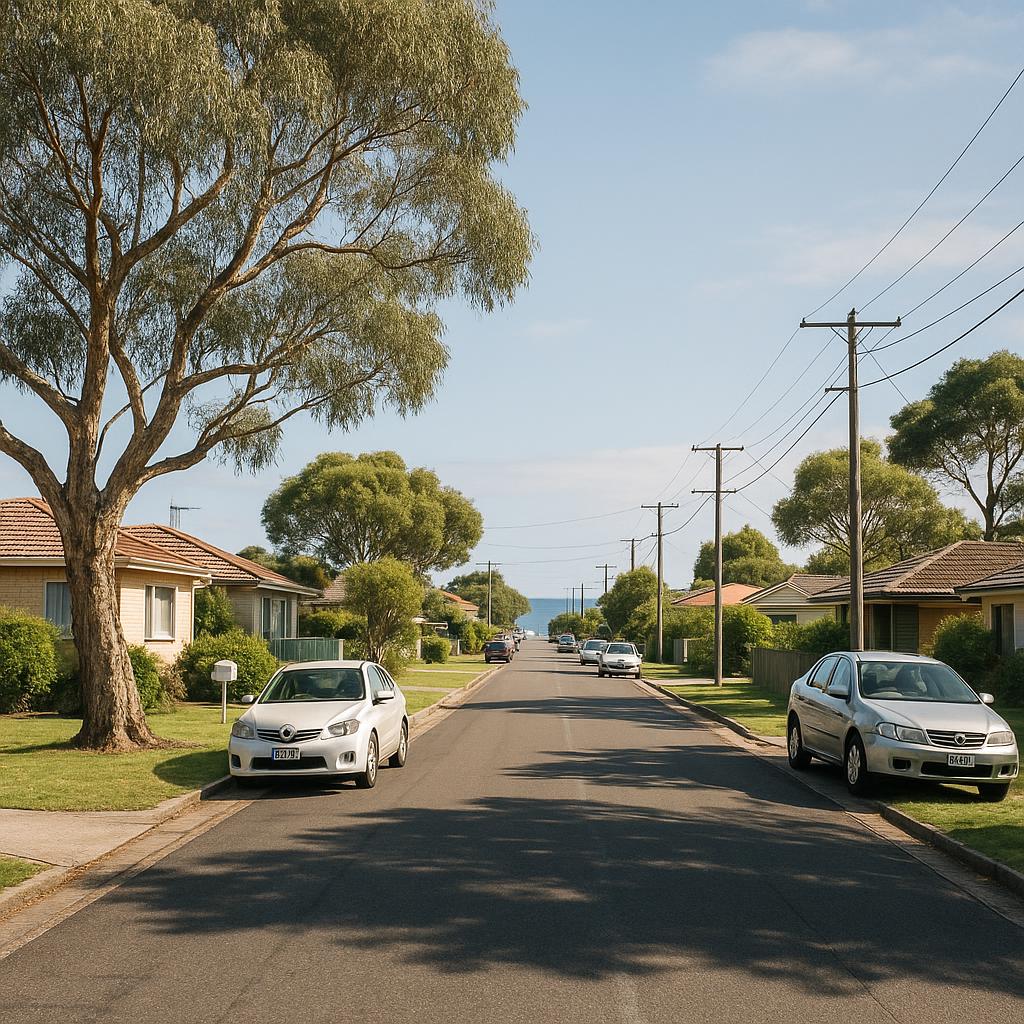
Rosebud is a coastal Mornington Peninsula suburb that suits buyers who want everyday livability with strong beach appeal. It generally attracts owner-occupiers, downsizers, sea-changers, and investors looking for broad tenant demand rather than purely speculative upside. The best purchases are usually practical, well-located properties with good access to shops, the beach, and transport, plus manageable maintenance. In Rosebud, street-by-street differences matter more than the suburb label alone.
Key Takeaways
- Rosebud offers a workable balance between coastal lifestyle appeal and year-round residential practicality for a wide buyer mix.
- Demand is broad because the suburb appeals to owner-occupiers, downsizers, investors, and lifestyle buyers for different reasons.
- Property quality, parking, layout, and pocket location can matter more than distance from the water alone.
- Rental appeal is strongest for low-maintenance homes with functional floorplans and easy access to local amenities.
- Buyers should verify zoning, short-stay rules, insurance, and current market evidence before making assumptions.
Pros & Cons
Pros
- Coastal lifestyle with broad everyday appeal
- Good fit for downsizers, families, and sea-changers
- Range of property types, from units to established houses
Cons
- Salt air and weather exposure can increase maintenance needs
- Seasonal demand can influence some pockets and property formats
- Some buyers overpay for beach branding without checking fundamentals
Market Overview
Rosebud sits in the middle of the Mornington Peninsula coastal market: more practical than prestige-only enclaves, but still heavily lifestyle-driven. That combination tends to attract buyers who want a genuine place to live, not just a holiday address.
The suburb’s market is shaped by coastal amenity, access to services, and a mix of housing stock that supports different buyer groups. That variety can help liquidity, because a renovated family home, a downsizer-friendly unit, and a character cottage may each appeal to a different audience.
For investors and home buyers, the key is to judge the specific pocket and property condition first. A well-presented home near daily conveniences can outperform a more scenic option if the latter is harder to maintain, park in, or resell.
Buyer Demand
Buyer demand in Rosebud usually comes from a blend of first-home buyers, families, downsizers, and Melbourne buyers seeking a sea change. Investors also look here, but often for practical rental demand rather than short-term hype.
The strongest demand typically favours properties that feel easy to live in: single-level layouts, decent storage, off-street parking, and a sensible distance to shops, services, and the beach. In this suburb, broad appeal is an advantage because it widens the resale pool.
Rental Market
Rosebud’s rental appeal is supported by local workers, families, and lifestyle tenants who want coastal living without being isolated. That makes functional homes with good upkeep, heating and cooling, and low-maintenance outdoor areas particularly attractive.
Investors should be careful not to rely on holiday-rental assumptions alone. A property may suit long-term tenants better than short-stay use, or vice versa, depending on layout, compliance, insurance, and the owner’s appetite for management.
Lifestyle, Transport & Schools
Rosebud offers a coastal lifestyle with day-to-day convenience, which is a major reason it attracts both owner-occupiers and rental tenants. The beach, local shopping, cafes, health services, and community facilities help make it feel like a lived-in suburb rather than a purely seasonal destination.
Transport practicality matters here because buyers often compare Rosebud with other Peninsula locations on ease of access, traffic, and parking. For many households, a slightly less glamorous but more functional location within the suburb will be the better long-term choice.
School access adds another layer of demand, even for buyers without children, because family-friendly suburbs tend to hold a wider market. Always verify current zones and enrolment options directly with official school and education sources before relying on assumptions.
Rosebud Suburb Profile
Official 2021 Census snapshot for the ABS Suburbs and Localities geography.
Age profile
Housing tenure
Occupied private dwellings by tenure type.
Salary & income profile
Median total income reported in the Census.
*Annual figures are weekly median × 52 estimates, not separate ABS annual medians.
Education & qualifications
Highest educational attainment, people aged 15+.
Employment status
People aged 15+ who reported being in the labour force.
Industry of employment
Top responses among employed people aged 15 years and over.
Occupation profile
Broad occupation groups among employed residents, including managers.
Property Type Guide
- Houses: Best for families and upsizers wanting land, renovation upside, and broader resale appeal; check maintenance and layout efficiency.
- Units and townhouses: Often suit downsizers, first-home buyers, and investors seeking simpler upkeep and lock-and-leave convenience.
- Older beachside cottages: Can offer charm and position, but buyers should budget for repairs, moisture issues, and ongoing maintenance.
- Renovated homes: Attractive to owner-occupiers and tenants alike, provided the renovation quality is genuine rather than cosmetic only.
- Best overall fit: Choose the property type that matches your holding costs, management style, and intended exit strategy.
Risks & Watch-Outs
- Salt air, wind exposure, and moisture can accelerate wear on external finishes, roofing, and older materials.
- Street-by-street variations are important, so a beachside postcode alone does not guarantee better livability or resale.
- Short-stay potential should be checked against local rules, compliance obligations, and realistic management costs.
- Older homes may look charming but still need drainage, insulation, ventilation, and structural due diligence.
- Do not assume every coastal property will appreciate equally; functionality and buyer depth matter as much as location.
Nearby Suburbs to Compare
- Mornington VIC Property Market Guide: Buyers & Investors
- Frankston VIC Property Market Guide: Buyers & Investors
- Safety Beach
- Capel Sound
- McCrae
- Dromana
FAQ
Is Rosebud a good suburb for families?
Yes, if you want a coastal setting with practical access to shops, services, and family-oriented housing options. Families should compare school access, commuting time, parking, and the street environment, because livability can differ noticeably between pockets.
Is Rosebud better for investors or owner-occupiers?
It can suit both, but the best fit depends on your goal. Owner-occupiers often value lifestyle and convenience, while investors usually need low-maintenance properties with broad tenant appeal and realistic rental demand that does not rely solely on holiday use.
What property type is best in Rosebud?
There is no single best type. Houses tend to suit families and long-term flexibility, units often suit downsizers and investors, and older cottages can work if the condition, maintenance load, and parking are all sensible for your budget and plans.
Is beachside better than inland in Rosebud?
Not always. Beach proximity helps lifestyle appeal, but inland properties can be easier to live in, park at, insure, and maintain. For many buyers, daily convenience and overall property quality are more important than being marginally closer to the water.
What should buyers check before purchasing?
Inspect the building condition, drainage, moisture exposure, parking, and street noise. Also verify zoning, short-stay implications if relevant, insurance considerations, and current comparable sales or rentals so you are buying on evidence rather than suburb reputation.
Conclusion
Rosebud is a strong coastal option for buyers who want lifestyle value without losing day-to-day practicality. The best outcomes usually come from choosing the right pocket, the right property type, and the right level of maintenance for your goals. Whether you are buying to live, downsize, or invest, focus on usability first and branding second.
Sources & how to verify
- Check current asking prices, sold results, and days on market on Domain to see whether a property is realistically priced for its pocket.
- Review live listings and local price indicators on realestate.com.au to compare land size, condition, parking, and renovation quality.
- Use Mornington Peninsula Shire resources to confirm planning controls, local approvals, and any relevant coastal or environmental considerations.
- Check zoning and planning information on Planning Victoria before assuming development, subdivision, or usage potential.
- Verify population and household context through ABS datasets if you want to understand the suburb’s broader demographic profile.
- Confirm school zones and school details via the Victorian education system or individual school websites, because catchments and enrolment arrangements can change.
- Review tenancy information on Consumer Affairs Victoria if you are considering a rental property or short-stay strategy.
- Inspect the property in person, then compare it with at least three similar nearby homes so you can separate cosmetic appeal from real market strength.