Quick Answer
Williamstown is a heritage-rich bayside suburb that often appeals to buyers who want lifestyle, character housing, and strong access to Melbourne’s inner west and CBD. It can suit owner-occupiers, downsizers, and investors, but the best outcomes usually come from careful property selection rather than simply buying into the suburb. Expect competition for well-located homes, and do extra due diligence on older buildings, heritage controls, and coastal exposure.
Key Takeaways
- Williamstown blends waterfront amenity with established village convenience, which helps support broad buyer interest over time.
- The suburb tends to attract lifestyle-driven owner-occupiers, downsizers, professionals, and families, not just investors.
- Property selection matters: period homes, townhouses, and apartments each appeal to different buyer and tenant profiles.
- For investors, the key is matching the dwelling type to likely tenant demand and keeping maintenance manageable.
- Buyers should check heritage, planning, and coastal exposure risks carefully before committing to a purchase.
Pros & Cons
Pros
- Strong lifestyle appeal with a genuine bayside atmosphere and village-style amenity.
- Broad appeal to owner-occupiers and tenants can support resilience across market conditions.
- Good mix of housing options for different budgets, ownership styles, and long-term plans.
Cons
- Entry can be expensive relative to more ordinary inner-west alternatives.
- Older homes may need ongoing maintenance, upgrades, or specialist inspections.
- Heritage or coastal factors can complicate renovation plans and add cost.
Market Overview
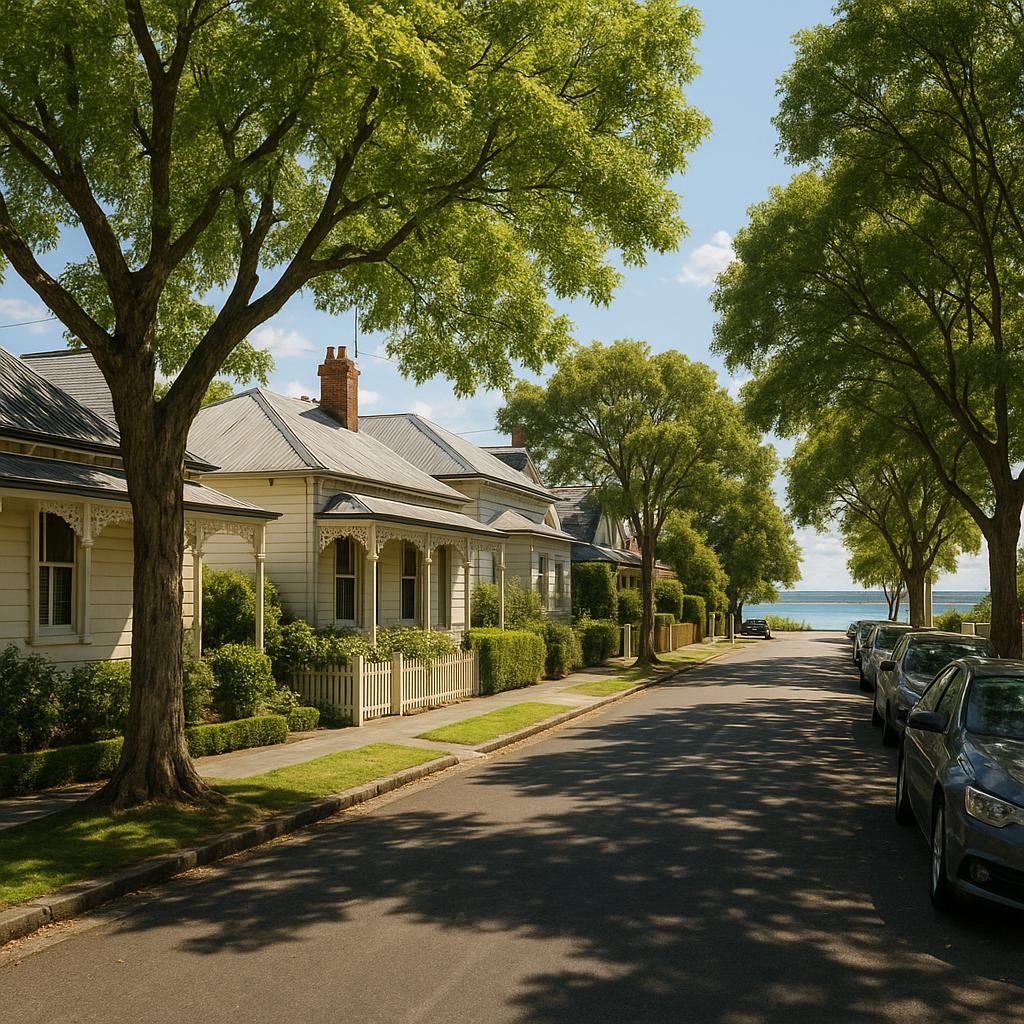
Williamstown sits in Melbourne’s inner west and is known for its historic streetscapes, waterfront feel, and walkable village centre. It stands out because it offers a premium lifestyle setting without sacrificing access to the CBD and nearby employment hubs. That combination keeps it on the radar for both buyers and investors.
The suburb’s market character is shaped by scarcity and amenity rather than broad new supply. Well-presented homes in good pockets can attract emotionally motivated buyers as well as practical purchasers, which is why presentation, location within the suburb, and property type matter so much.
For buyers, the question is usually not whether Williamstown is desirable, but which part of the suburb and which style of home best suits the budget and the long-term plan. A renovated cottage near the village can deliver convenience and resale appeal, while a larger home or townhouse may better suit family needs or a lower-maintenance lifestyle.
Buyer Demand
Demand is typically driven by owner-occupiers first: local families, professionals who want commuter convenience, and downsizers trading larger homes for a more manageable bayside base. There is also steady interest from buyers who want character and liveability rather than a generic suburban product.
That breadth of demand matters because it can create competition for quality stock, especially homes close to the village, transport, parks, or the waterfront. For investors, this is useful only if the property also suits the likely tenant profile and does not carry excessive upkeep or specialist risks.
Rental Market
The rental market is usually supported by professionals, couples, families, and tenants who want a premium inner-west lifestyle with easier access to the city. Properties that are well located, easy to maintain, and practical in layout often perform best from a leasing perspective.
Investors should think in terms of tenant fit rather than suburb prestige alone. A townhouse or well-kept apartment may be easier to lease and manage than an older detached house, especially if the building is low-maintenance and the location supports day-to-day convenience.
Lifestyle, Transport & Schools
Williamstown’s lifestyle appeal comes from its bayside setting, open space, cafés, dining, and relaxed community feel. For many buyers, that daily experience is the real asset: morning walks, weekend water views, and an easy connection to local services are hard to replicate in newer suburbs.
Transport access broadens the suburb’s appeal. Train access supports CBD commuting, while local bus routes and road links help with everyday movement across the inner west. For buyers and tenants, that connectivity can reduce the sense that Williamstown is a niche lifestyle choice.
Families also tend to weigh childcare, local schools, recreation, and practical routines when comparing suburbs. Rather than relying on reputation alone, verify school zones and current enrolment considerations directly, because catchments and preferences can materially affect buying decisions.
Williamstown (Vic.) Suburb Profile
Official 2021 Census snapshot for the ABS Suburbs and Localities geography.
Age profile
Housing tenure
Occupied private dwellings by tenure type.
Salary & income profile
Median total income reported in the Census.
*Annual figures are weekly median × 52 estimates, not separate ABS annual medians.
Education & qualifications
Highest educational attainment, people aged 15+.
Employment status
People aged 15+ who reported being in the labour force.
Industry of employment
Top responses among employed people aged 15 years and over.
Occupation profile
Broad occupation groups among employed residents, including managers.
Property Type Guide
- Period homes and cottages: Best for buyers who value character, streetscape appeal, and long-term liveability; inspect carefully for maintenance and heritage constraints.
- Townhouses: Often suit downsizers, professionals, and investors who want a balance of convenience, lower upkeep, and broad resale appeal.
- Apartments and units: Can work well for entry buyers or investors prioritising location and ease of management; check building quality and owner-occupier mix.
- Family homes with land: More suited to owner-occupiers wanting space and permanence, but compare trade-offs around upkeep and budget.
Risks & Watch-Outs
- Older homes can hide costly issues such as roof wear, moisture, or outdated services, so building and pest checks matter.
- Heritage-sensitive streets and overlays may limit renovation scope or increase approval complexity.
- Bayside exposure can increase maintenance needs for external finishes, fixtures, and metal components.
- Competitive buying conditions can push purchasers to overextend on a property that suits lifestyle but not financial comfort.
- Not every premium-looking property is a strong investment, especially if the layout is awkward or maintenance-heavy.
Nearby Suburbs to Compare
- Newport VIC Property Market Guide: Buyers & Investors
- Spotswood VIC Property Market Guide: Buyers & Investors
- Altona VIC Property Market Guide: Buyers & Investors
- Yarraville VIC Property Market Guide: Buyers & Investors
- Footscray VIC Property Market Guide: Buyers & Investors
FAQ
Is Williamstown a good suburb for buyers?
Williamstown is often a strong fit for buyers who value lifestyle, character, and proximity to the city more than sheer land size. It tends to suit people who want a suburb with identity, walkability, and long-term appeal rather than a purely transactional purchase.
Is Williamstown a good suburb for investors?
It can be, provided the property matches the tenant market and does not require excessive upkeep. Investors should focus on easy-to-maintain dwellings, practical layouts, and locations that appeal to professionals, couples, or families seeking convenient inner-west living.
What type of property works best in Williamstown?
That depends on the goal. Period homes suit lifestyle buyers willing to manage maintenance. Townhouses and apartments often suit investors and downsizers because they are easier to manage. Family homes can work well if the budget and upkeep are realistic.
Is Williamstown more about lifestyle or investment?
It is strongly lifestyle-led, but that does not make it unsuitable for investing. The key is to buy a property that remains attractive to future tenants and resales. In premium suburbs, capital preservation and occupier demand often matter as much as rent.
What should I check before buying in Williamstown?
Check building condition, heritage implications, flood or coastal exposure, transport access from the actual address, and the likely resale audience. Also review recent comparable sales and rentals, because two similar-looking properties can perform very differently depending on location and condition.
Conclusion
Williamstown remains one of Melbourne’s most distinctive inner-west suburbs for buyers who want character, bayside living, and everyday convenience. It is not a one-size-fits-all market, though: the best result comes from matching the property type to your goal, then doing disciplined due diligence on condition, planning, and location.
Sources & How to Verify
- Check current sold prices and active listings on Domain so you are not relying on outdated market commentary.
- Review comparable rental listings on realestate.com.au rentals to understand current tenant demand and asking rents.
- Use local council planning resources to check planning overlays, permits, and heritage constraints before renovating.
- Confirm public transport routes and timetables on Public Transport Victoria rather than assuming walking times or service frequency.
- Verify suburb, household, and dwelling context through the ABS, especially if you want a demographic or housing-stock backdrop.
- Check school zoning and enrolment information through Find My School because catchments can change and directly affect family demand.
- Ask a qualified building inspector to assess older homes for moisture, roof, and maintenance issues that are common in character and bayside properties.
- Speak with local agents and property managers for current buyer and tenant behaviour, then compare their feedback against actual listings and leased evidence.