Quick Answer
Dog Swamp is best approached as a practical inner-northern Perth suburb where convenience, access, and low-friction daily living matter more than prestige. It can suit first-home buyers, downsizers, and investors who want a functional location close to services, transport, and employment corridors. The strongest outcomes usually come from choosing the right street, a well-kept dwelling, and a layout that matches real demand rather than chasing an emotional premium.
Key Takeaways
- Dog Swamp’s appeal is mainly practical: it suits buyers who want an accessible, established base rather than a lifestyle postcode.
- Demand tends to reward homes that are tidy, functional, and easy to maintain, especially in streets with less traffic exposure.
- Investors should focus on tenant usability, presentation, and realistic rent-setting based on comparable local listings.
- Older homes may offer renovation potential, but only if the upgrade path is sensible and the underlying structure is sound.
- The suburb is often better judged by property quality and exact location than by the suburb name alone.
Pros & Cons
Pros
- venient inner-northern location for commuting and everyday errands
- Broad appeal for buyers who value practicality over prestige
- Potential for value-add in older stock if the fundamentals are right
Cons
- Some pockets may be affected by traffic, noise, or a less private setting
- Older housing can bring maintenance and renovation costs
- Emotional appeal may be lower than more established prestige suburbs nearby
Market Overview
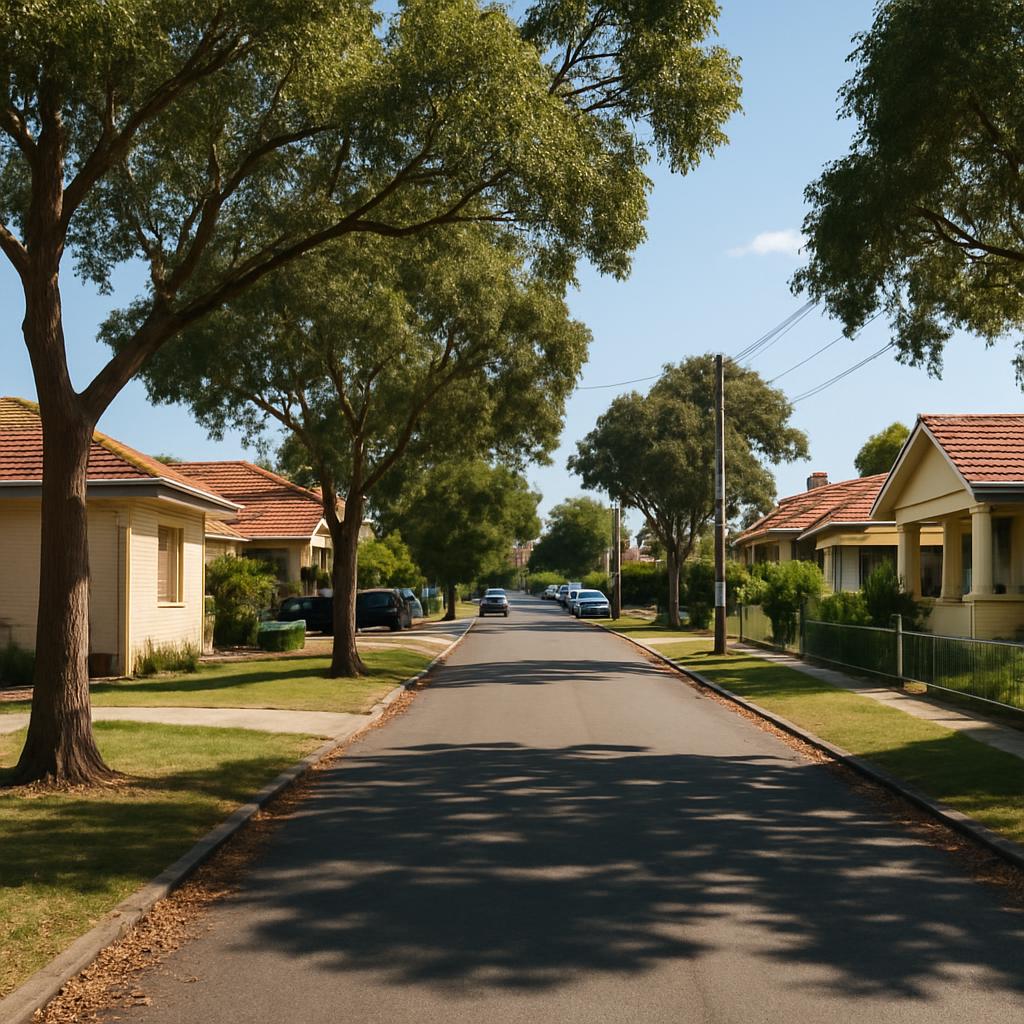
Dog Swamp is a small, established Perth suburb where market value is usually driven by convenience, condition, and street-by-street differences. It is more of a practical residential base than a destination suburb, so buyers should assess each property on its own merits. That matters because two homes with the same postcode can perform very differently depending on layout, presentation, and exposure to roads or nearby activity.
Stock can include older houses, updated homes, and low-maintenance options, depending on the pocket and the lot configuration. In a suburb like this, the quality of the dwelling often matters as much as the location, especially when buyer budgets are tight and tenants are value-conscious. If you want up-to-date context, verify recent sales and listings rather than relying on generic suburb summaries.
For homeowners, Dog Swamp can make sense if you want a central, functional base and do not need a prestige streetscape. For investors, it is typically a “buy the right property” market: well-presented homes with sensible maintenance profiles usually tell a stronger story than tired stock with speculative upside claims.
Buyer Demand
Demand in Dog Swamp is usually shaped by practical end users: first-home buyers, small families, downsizers, and investors who want a stable, easy-to-explain location. These buyers tend to care about commute convenience, access to shops and services, and whether the home feels straightforward to live in from day one.
That means the best-performing homes are often the ones that are clean, functional, and easy to maintain, rather than the most architecturally ambitious. When inspecting, pay close attention to how the property sits on the street, whether the layout actually works, and whether the home needs immediate spending after settlement.
Rental Market
Dog Swamp can appeal to tenants who want convenience without paying for a premium inner-suburb brand. In that context, rental demand is usually supported by transport access, access to daily services, and homes that reduce hassle rather than create it.
For investors, presentation matters. A neat, low-maintenance property with durable finishes, a workable floorplan, and simple outdoor upkeep is more likely to lease smoothly than a cheaper property that looks tired or needs recurring repairs. Always compare with current rental listings in nearby suburbs before setting a target rent.
Lifestyle, Transport & Schools
Dog Swamp is better suited to people who want life to run efficiently than to those chasing a café-strip or coastal identity. The lifestyle story here is about getting errands done easily, reaching work without too much friction, and having services within a practical radius.
Transport access is a meaningful part of the suburb’s value proposition. Bus routes and road connectivity matter because they broaden the tenant pool and help make the suburb workable for households that do not want to rely on multiple cars. Check actual routes and travel times at peak periods, not just map proximity.
School access can influence buying and renting decisions, but the right school fit should always be confirmed directly through official education sources. Families often respond to convenience, drop-off ease, and commute practicality as much as to suburb reputation, so exact school zoning and daily logistics are worth verifying before you buy.
Property Type Guide
- Older detached homes: Potentially attractive for value-add buyers, but inspect carefully for deferred maintenance, dated services, and layout limitations.
- Updated homes: Suited to buyers wanting less immediate work; you are paying for convenience, so verify the quality of renovations, not just the finish.
- Low-maintenance dwellings: Often appealing to investors and downsizers who prioritise easier upkeep, though privacy and outdoor space may be more limited.
- Blocks with usable land: Worth considering if you have a long-term plan, but confirm zoning, setbacks, and any redevelopment constraints before assuming future flexibility.
Risks & Watch-Outs
- Exact street position matters: traffic, noise, and privacy can change the experience of the suburb significantly.
- Older homes may look affordable upfront but carry repair costs that affect the real purchase price over time.
- Cosmetic improvements can hide deeper issues, so do not confuse fresh paint with good structural condition.
- Overpaying for “convenience” is a common mistake if you ignore the property’s actual condition and liveability.
- Rental assumptions can be too optimistic if the home is dated, awkwardly laid out, or poorly presented.
Nearby Suburbs to Compare
- Bedford WA Property Market Guide: Buyers & Investors
- North Perth WA Property Market Guide: Buyers & Investors
- Coolbinia WA Property Market Guide: Buyers & Investors
- Menora WA Property Market Guide: Buyers & Investors
- Glendalough WA Property Market Guide: Buyers & Investors
FAQ
Is Dog Swamp a good suburb for first-home buyers?
It can be, if you value a practical location and are willing to focus on dwelling quality rather than prestige. First-home buyers should compare entry price, condition, and ongoing maintenance carefully, because the suburb’s strengths are functional rather than flashy.
Is Dog Swamp a good suburb for property investors?
Potentially yes, if you buy a property that is easy to lease and easy to maintain. Investors should prioritise tenant-friendly layouts, solid presentation, and realistic rent assumptions based on nearby current listings, not hopeful projections.
What type of property usually works best in Dog Swamp?
Well-kept homes with practical layouts are generally the safest starting point. Older properties can work too, but only when the renovation scope is manageable and the location within the suburb offsets the work required.
How important is the exact street in Dog Swamp?
Very important. In a suburb with a practical, access-led profile, street-level factors such as traffic exposure, noise, and privacy can materially change owner-occupier appeal and tenant demand. Inspect at different times if possible.
How should I compare Dog Swamp with nearby suburbs?
Compare the property itself first, then compare the suburb’s practical advantages against nearby alternatives. Look at housing stock, transport convenience, renovation potential, and the quality of recent comparable sales rather than relying on reputation alone.
Conclusion
Dog Swamp is best suited to buyers and investors who want function, access, and a straightforward property story. It is not a suburb to buy on name recognition alone. If you focus on condition, street quality, and realistic demand, Dog Swamp can be a sensible, well-reasoned choice.
Sources & How to Verify
- Check current listings on Domain to verify asking prices, rental asking levels, and the style of stock currently competing in the market.
- Review recent sold results on realestate.com.au to compare similar homes and see how condition, land size, and presentation affect outcomes.
- Use ABS data to understand broad demographic context, but do not treat it as a substitute for current sales evidence or inspection-based judgement.
- Confirm zoning, planning, and any redevelopment constraints through the WA planning system before assuming future extension or subdivision potential.
- Check local amenity and community information via the relevant local council site, then verify that maps and service details are current.
- Use the Transperth network and journey planning tools to confirm actual bus access, frequencies, and commute practicality from the property.
- Verify school zones and enrolment eligibility directly with the WA School Finder because catchments and intake arrangements can change.
- Where possible, speak with a licensed local agent and compare at least three similar properties so you can separate suburb reputation from property-specific value.