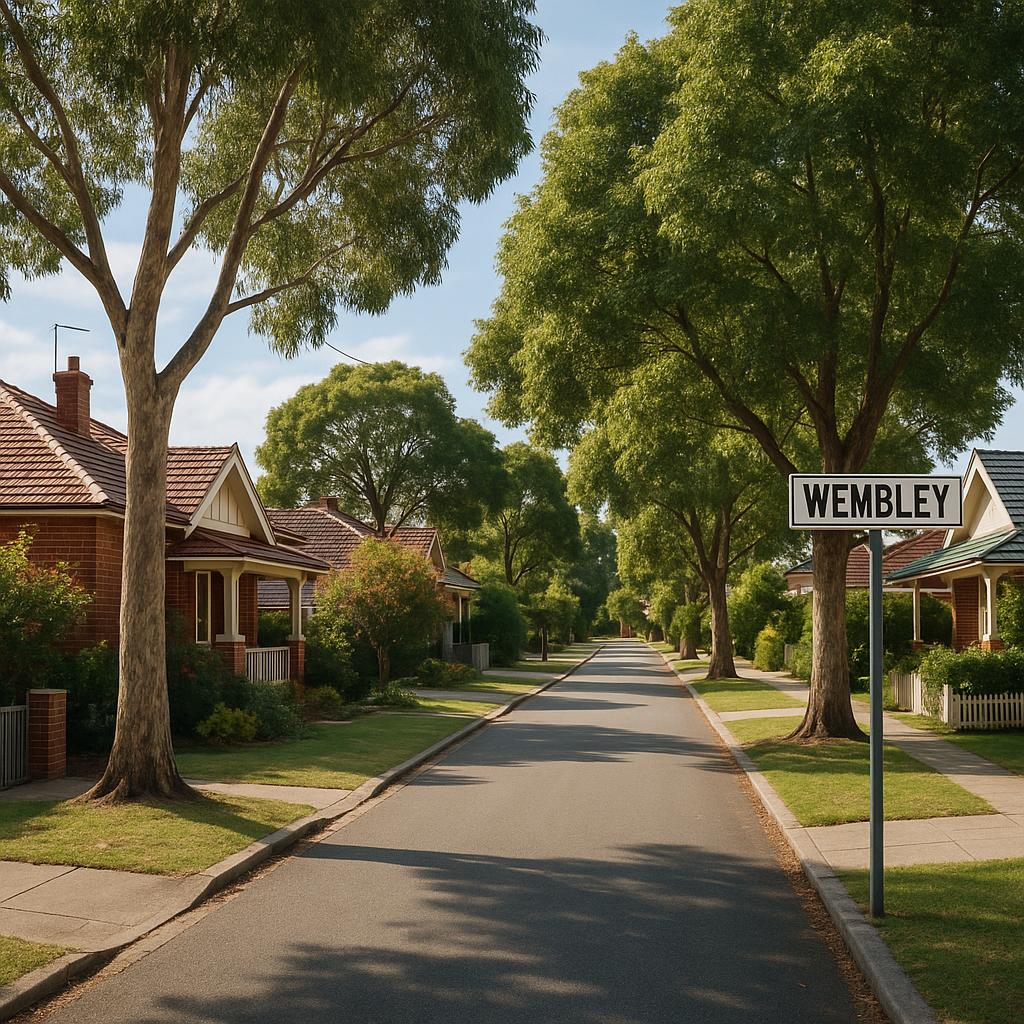
Quick Answer
Wembley is a tightly held inner-west Perth suburb where buyers usually pay for location, convenience, and broad lifestyle appeal rather than large blocks or bargain entry points. It tends to suit owner-occupiers and investors who value established amenity, practical commute options, and a pool of tenants who want low-friction living. If you are comparing suburbs on usability, long-term hold quality, and everyday liveability, Wembley belongs on the shortlist.
Key Takeaways
- Wembley’s market appeal is driven more by inner-metro convenience than by large land holdings or speculative growth stories.
- Demand typically comes from families, professionals, downsizers, and tenants who want a balanced lifestyle and commute profile.
- Property type matters a lot here, because houses, villas, townhouses, and apartments each attract different buyer and tenant pools.
- For investors, the key question is not just rental yield, but how easily the asset can be leased, maintained, and resold.
- For buyers, Wembley rewards careful street-by-street assessment, because condition, strata quality, and layout influence value materially.
Pros & Cons
Pros
- Strong inner-west convenience with broad lifestyle appeal.
- Good fit for owner-occupiers and tenants seeking practical daily living.
- Established suburb profile with mature amenity and steady underlying demand.
Cons
- Competition can be stronger because supply is limited in the most desirable pockets.
- Some buyers must trade off land size or privacy to secure the location.
- Strata costs, building condition, or renovation needs can materially affect the real value proposition.
Market Overview
Wembley sits in Perth’s inner-west and is typically viewed as a convenience-led suburb rather than a purely speculative play. That usually makes it attractive to buyers who want access to the city, major lifestyle destinations, and established amenity without moving into a dense urban core. The suburb’s housing mix and street-by-street variation mean the best purchase is often the one that fits your daily routine and holding strategy.
For investors and homeowners, Wembley often behaves like an “everyday demand” suburb: people want to live there because it is useful, not just because it is fashionable. That matters in softer markets, when practical suburbs with broad appeal often hold attention better than niche locations. The important question is not whether Wembley is “hot”, but whether the specific property offers durability in resale and rental terms.
In practical terms, buyers should compare detached homes, villas, townhouses, and apartments separately. A well-located home can suit long-term capital growth and family use, while a lower-maintenance unit may appeal more strongly to investors or downsizers. Use current listings, sold results, and in-person inspections to judge how each property type is trading right now.
Buyer Demand
Demand in Wembley is usually supported by its inner-metro position, access to employment hubs, and the convenience of nearby amenity. That combination broadens the buyer pool: families want liveability, professionals want shorter commutes, and downsizers want a manageable home in a well-established area.
From a resale perspective, the strongest properties are usually those with simple functionality, good parking, sensible floor plans, and a presentation level that matches the surrounding stock. If two homes look similar on paper, the one with better usability, privacy, or renovation quality will usually carry stronger buyer interest.
Rental Market
Wembley can appeal to tenants who want an easy commute, a practical suburban setting, and access to local services without sacrificing proximity to central Perth. That means the likely tenant base is fairly broad, including professionals, couples, and smaller households looking for long-term convenience.
For landlords, the main leasing advantage comes from choosing a property that is simple to maintain and easy to live in. Practical layouts, storage, parking, and low upkeep usually matter more than decorative features. Before buying, check what similar properties are currently asking in the market and whether your planned asset would stand out for the right reasons.
Lifestyle, Transport & Schools
Wembley is generally attractive to people who want an established, practical lifestyle with everyday amenity close at hand. Buyers often value the suburb for access to parks, recreation, retail convenience, and the broader inner-west corridor. That can be a real advantage for families and professionals who care about weekly routine as much as the home itself.
Transport is a meaningful part of the appeal. Buyers should test the actual commute rather than relying on map distances, because peak-hour travel patterns can change the experience materially. Public transport access, road connectivity, walkability, and bike practicality all influence how livable the suburb feels over time.
For schooling, families should verify catchments, enrolment rules, and current boundaries directly with official sources and individual schools. In suburbs like Wembley, school access can be a major demand driver, but it should never be assumed from reputation alone. The practical test is whether the location works for your everyday school run, not just the headline name.
Wembley Suburb Profile
Official 2021 Census snapshot for the ABS Suburbs and Localities geography.
Age profile
Housing tenure
Occupied private dwellings by tenure type.
Salary & income profile
Median total income reported in the Census.
*Annual figures are weekly median × 52 estimates, not separate ABS annual medians.
Education & qualifications
Highest educational attainment, people aged 15+.
Employment status
People aged 15+ who reported being in the labour force.
Industry of employment
Top responses among employed people aged 15 years and over.
Occupation profile
Broad occupation groups among employed residents, including managers.
Property Type Guide
- Houses: Best for buyers prioritising control, privacy, and longer-term owner-occupier appeal. They often suit families and buyers willing to renovate or hold.
- Townhouses and villas: A useful middle ground for buyers who want more space than an apartment but less maintenance than a detached home.
- Apartments and units: Often suit first-home buyers and investors, provided the floor plan, strata quality, and building condition are solid.
- What to compare: Parking, storage, outdoor space, natural light, noise, strata rules, and renovation potential all matter more than cosmetic styling.
- Decision rule: The best property type is the one that matches your holding period, maintenance tolerance, and exit strategy.
Risks & Watch-Outs
- Do not overpay for styling alone; inspect the underlying condition, layout, and long-term usability of the property.
- Check strata documents carefully for apartments, villas, and townhouses, because building quality and levies can change the investment case.
- Do not assume every pocket performs the same; streets, orientation, noise exposure, and parking access can materially affect demand.
- Older homes may require more than cosmetic updates, so budget for building, maintenance, and compliance surprises.
- Investor buyers should verify actual tenant appeal, rather than relying on the suburb’s reputation or generic rental assumptions.
Nearby Suburbs to Compare
Useful nearby comparisons include Floreat, Jolimont, West Leederville, Subiaco, and Shenton Park. These suburbs help you compare lifestyle intensity, housing mix, and the balance between owner-occupier and investor demand.
FAQ
Is Wembley WA good for first-home buyers?
Potentially, yes, if the buyer is comfortable prioritising location and liveability over land size. First-home buyers often find apartments, villas, or smaller homes more realistic than detached houses. The key is checking strata, maintenance, and long-term affordability before stretching the budget.
Is Wembley better for owner-occupiers or investors?
It can suit both, but the best fit depends on property type. Owner-occupiers often value Wembley for convenience, schooling access, and day-to-day lifestyle benefits. Investors usually focus on low-maintenance assets with broad tenant appeal and straightforward leasing conditions.
What types of homes are most common in Wembley?
Wembley generally offers an established mix of detached homes, villas, townhouses, and apartments. The mix matters because each type attracts a different buyer pool. A house may suit a family; a unit may suit a tenant or downsizer wanting lower upkeep.
Is Wembley a good long-term suburb to hold?
It can be, because established inner-west suburbs often retain demand through different market cycles. Wembley’s main strengths are convenience, location, and broad usability. Long-term holding works best when the property itself is practical, well-located, and not overly niche.
What should buyers check before purchasing in Wembley?
Start with the property’s condition, layout, parking, and noise exposure. Then check strata documents if relevant, confirm zoning or planning considerations where needed, and inspect the area at different times of day. Local evidence beats assumptions every time.
Conclusion
Wembley is best understood as a location-led suburb with enduring practical appeal. It suits buyers who value convenience, established amenity, and a balanced lifestyle, and it can work well for investors who want broad tenant demand. The smartest purchase is usually the property that best matches your use case, not just your budget.
Sources & How to Verify
- Check current sold results and active listings on Domain to compare Wembley properties by type, condition, and price band before making assumptions.
- Use realestate.com.au to see how long comparable listings stay on market and what features are being marketed as value drivers.
- Review suburb and dwelling data on ABS to understand broad demographic context without relying on outdated or anecdotal summaries.
- Confirm zoning, planning controls, and local development guidance on the City of Cambridge website if a property has extension or redevelopment potential.
- Check train and bus options on Transperth so you can verify commuting practicality rather than relying on approximate travel times.
- Use the My School site to identify school locations and compare official information, then confirm enrolment zones with the school directly.
- Request strata minutes, levy details, and building reports where relevant, because apartment and townhouse risk often sits in the documents rather than the listing.
- Inspect the streets in person at peak and off-peak times so you can assess traffic, parking, noise, and the general feel of the pocket you are buying into.