Quick Answer
Floreat is a tightly held, established inner-west Perth suburb that appeals to buyers who want a premium residential feel, generous streetscapes, and strong long-term livability. It tends to suit owner-occupiers, family movers, downsizers, and investors who value stable tenant demand over speculative churn. The main advantage is its scarcity and lifestyle profile; the main challenge is choosing the right property type, because houses, villas, and apartments perform very differently here.
Key Takeaways
- Floreat is best understood as a lifestyle-led suburb where location, land, and liveability often outweigh short-term market noise.
- Buyers should prioritise property type, renovation scope, and street appeal, because those factors strongly affect resale and rental outcomes.
- Investors need to match the dwelling to tenant expectations, especially around parking, presentation, maintenance, and functional floor plans.
- Limited turnover can create competition when quality homes appear, so prepared buyers often have the edge.
- Always verify zoning, school catchments, strata details, and current market evidence before committing to a purchase.
Pros & Cons
Pros
- Established, leafy residential character with strong appeal to long-term buyers.
- Broad lifestyle appeal for families, professionals, and downsizers seeking convenience without a high-density feel.
- Mature housing stock can offer renovation upside for buyers who understand the local market.
Cons
- Lower stock turnover can make suitable properties harder to find quickly.
- Premium positioning may stretch budgets and reduce entry options for some buyers.
- Older homes can carry maintenance, compliance, or renovation costs that are easy to underestimate.
Market Overview
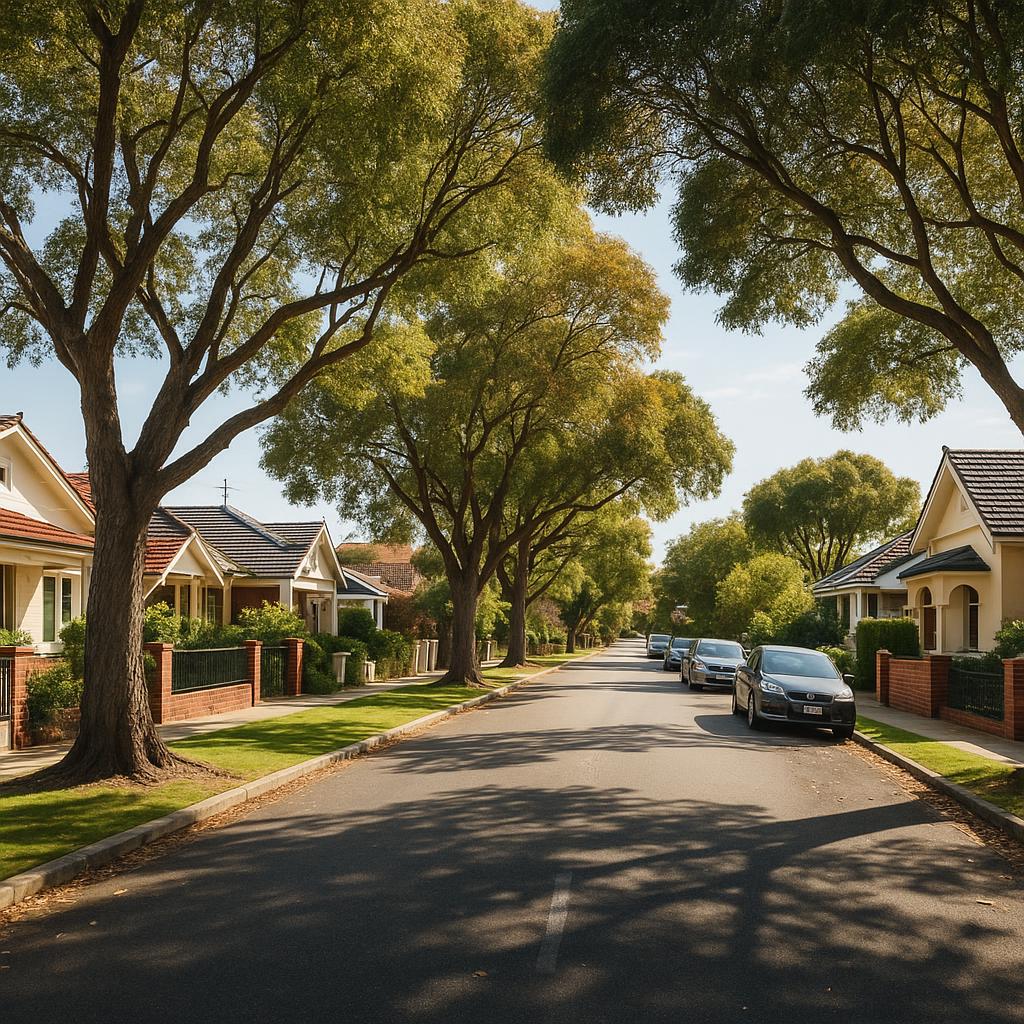
Floreat sits in Perth’s inner-west and is generally viewed as a mature, owner-occupier-favoured suburb with a premium residential identity. It is known more for stable appeal and long-term livability than fast turnover, which means the market can feel restrained until a well-located, well-presented property comes up.
For buyers, that scarcity matters. In a suburb like Floreat, the right property is often the one that fits the suburb’s core demand drivers: quiet streets, practical access, usable outdoor space, and a home that suits everyday living. For investors, the same characteristics help explain why tenant demand can be steady when the dwelling type is aligned with local expectations.
The key point is that Floreat is not a “one-size-fits-all” market. A larger older house, a renovated villa, and a smaller apartment can each attract a different buyer pool and perform differently at sale and lease-up. That makes property selection more important than simply buying into the postcode.
Buyer Demand
The main buyer groups in Floreat tend to be owner-occupiers, upgrading families, downsizers, and selective investors. Many buyers are looking for a suburb they can stay in for years, not a short-term trade. That usually means they care about layout, land utility, parking, presentation, and the broader streetscape.
Demand often strengthens for homes that feel practical and flexible rather than overly customised. A property with good natural light, sensible indoor-outdoor flow, and low-friction maintenance is likely to appeal more broadly than one that is visually striking but awkward to live in. In premium suburbs, emotional appeal matters, but rational usability usually wins at resale.
Rental Market
Floreat’s rental appeal is typically strongest for professionals, families, and relocating tenants who want an established suburb with access to inner-west amenities. The most leaseable homes are usually those that are well maintained, neutral in presentation, and easy to live in from day one.
For investors, this means the focus should be on tenant fit, not just the asset’s prestige. A home that offers parking, practical storage, a functional kitchen, and manageable outdoor space is usually easier to lease than a property that needs immediate work. Apartments and smaller dwellings can also work well, but only if the building quality, parking, and location stack up against the suburb’s expectations.
Lifestyle, Transport & Schools
Floreat is attractive because it delivers a quieter residential lifestyle while remaining connected to major Perth destinations. Parks, open space, and a family-oriented streetscape are part of the suburb’s value proposition, especially for households that want a slower pace without giving up access to the inner-west.
Transport convenience matters here, particularly for buyers who commute to Perth CBD or nearby employment centres. Proximity to key road links and public transport options can influence both resale and rentability, especially for professionals and school-running families who value predictable daily travel.
School access is another major decision factor, but buyers should verify catchments and enrolment rules directly rather than assuming location alone guarantees access. In suburbs like Floreat, schooling often shapes competition because it affects both family purchasing decisions and the way tenants evaluate a rental property.
Floreat Suburb Profile
Official 2021 Census snapshot for the ABS Suburbs and Localities geography.
Age profile
Housing tenure
Occupied private dwellings by tenure type.
Salary & income profile
Median total income reported in the Census.
*Annual figures are weekly median × 52 estimates, not separate ABS annual medians.
Education & qualifications
Highest educational attainment, people aged 15+.
Employment status
People aged 15+ who reported being in the labour force.
Industry of employment
Top responses among employed people aged 15 years and over.
Occupation profile
Broad occupation groups among employed residents, including managers.
Property Type Guide
- Detached houses: Best for families, upsizers, and buyers chasing land value and renovation flexibility. Watch for older-condition risk and higher maintenance.
- Villas, duplexes, and townhouses: Better suited to downsizers and busy professionals wanting lower-maintenance living with suburb access. Check strata terms and shared costs.
- Apartments and smaller dwellings: Can suit investors and entry-level buyers, but only if parking, building quality, and tenant demand are strong.
- Which type suits you? Choose a house for flexibility, a villa or townhouse for balance, or an apartment for simplicity and lower upkeep.
Risks & Watch-Outs
- Do not assume every property in Floreat will perform the same; dwelling type and condition materially affect demand.
- Older homes may hide repair, compliance, or upgrade costs that change the true purchase equation.
- Strata documents need careful review for villas, townhouses, and apartments because fees and restrictions can affect value.
- Overpaying for emotional appeal is a real risk in tightly held suburbs where buyers compete for scarce stock.
- Verify zoning, redevelopment potential, school access, and parking before relying on broad suburb reputation.
Nearby Suburbs to Compare
- Shenton Park
- Wembley
- Wembley Downs
- Subiaco
FAQ
Is Floreat a good suburb for families?
Yes, Floreat is often attractive to families because it combines a residential feel, open space, and access to everyday amenities. The key is checking whether the specific property supports your routine, including parking, school access, and practical indoor-outdoor living.
Is Floreat a good suburb for investors?
It can be, but investors should be selective. The best outcomes usually come from properties that suit local tenant preferences: low maintenance, solid presentation, functional layouts, and convenient access. A prestige postcode alone does not guarantee strong leasing performance.
What type of property is best in Floreat?
There is no single best option. Houses suit buyers wanting land and flexibility, villas and townhouses suit those prioritising convenience, and apartments may appeal to investors or buyers seeking a simpler entry point. Match the asset to your long-term goal.
What should buyers check before purchasing in Floreat?
Focus on building condition, renovation scope, parking, zoning, strata terms where relevant, and school or transport access. Buyers should also compare recent comparable sales and current listings so they understand how the property is positioned within the suburb.
How does Floreat compare with nearby suburbs?
Floreat competes with other inner-west suburbs that offer similar convenience but different housing stock and lifestyle trade-offs. Compare street feel, land size, maintenance burden, and rental demand rather than treating all premium suburbs as interchangeable.
Conclusion
Floreat is a suburb where careful property selection matters more than headline prestige. It suits buyers and investors who value established amenity, long-term livability, and a stable residential setting. The best decisions usually come from comparing property types, verifying the details, and choosing the dwelling that fits both the suburb and your strategy.
Sources & how to verify
- Check current listings and sold evidence on Domain so you can compare asking prices with real market activity rather than relying on a general suburb impression.
- Review local market trends and suburb-level commentary on REIWA to understand how Floreat is performing relative to the broader Perth market.
- Use the Australian Bureau of Statistics for updated demographic and housing data if you want to confirm who lives in the area and how the housing mix is changing.
- Check planning and zoning information through the WA Planning site to verify redevelopment potential, land use, and any constraints that may affect a purchase.
- Confirm school enrolment and catchment information directly with the relevant education authority or school website so you do not assume a nearby school automatically accepts every address.
- Review local transport maps and service information on Transperth to check actual commute practicality rather than relying on approximate travel-time claims.
- Inspect strata records, council approvals, and building reports where relevant, because suburb reputation cannot reveal hidden maintenance or governance issues in a specific property.