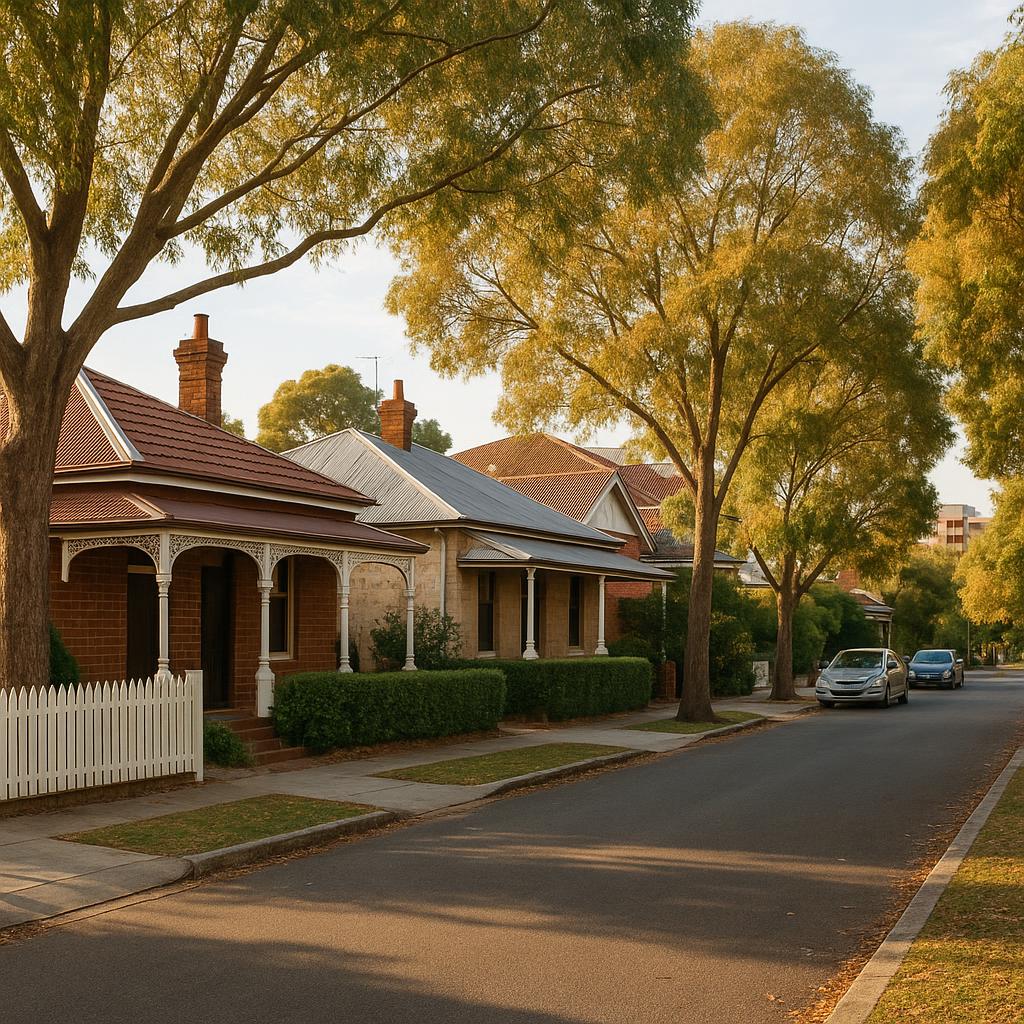
Quick Answer
Subiaco East, WA is a tightly held inner-west Perth pocket that suits buyers and investors who value walkability, character housing, transport access, and long-term desirability. It tends to appeal to owner-occupiers seeking convenience and to investors wanting broad tenant interest rather than chasing headline yield. The best opportunities usually come down to the exact street, dwelling type, and condition level, so careful due diligence matters more here than relying on suburb averages alone.
Key Takeaways
- Subiaco East is an established, compact market where scarcity and liveability often matter more than volume turnover.
- Buyers usually focus on location quality, dwelling condition, parking, and renovation scope rather than just the suburb name.
- Investors should match the property to a clear tenant profile, especially professionals, downsizers, and small households.
- Older homes can offer charm and upside, but maintenance, compliance, and layout issues need close review.
- Comparing nearby inner-west suburbs is essential because micro-location can materially change value, demand, and resale prospects.
Pros & Cons
Pros
- Inner-west location with strong lifestyle convenience and access to Perth’s broader amenity network
- Broad appeal to both owner-occupiers and tenants who want a premium, established setting
- Limited land supply can support long-term scarcity value for well-located properties
Cons
- Entry pricing and holding costs may be higher than in outer suburban alternatives
- Older buildings can require renovation, maintenance, or compliance spending
- Strata properties may involve levies, approvals, and shared-owner considerations
Market Overview
Subiaco East sits within Perth’s inner-west lifestyle belt, so it is best understood as an established, high-amenity pocket rather than a broad-volume market. Its appeal is driven by proximity to the wider Subiaco activity centre, public transport, health precincts, parks, and the CBD. In practice, that means value is often shaped by the exact street, dwelling type, and presentation, not just the suburb name.
The market tends to reward properties that are easy to live in and easy to maintain. Character homes, renovated dwellings, low-rise apartments, and townhouses can all perform differently depending on layout, parking, and upkeep. Buyers who want long-term confidence should compare live listings closely and treat renovation quality, not cosmetic styling alone, as a core value driver.
For a useful suburb comparison, many buyers also review Subiaco WA Property Market Guide: Buyers & Investors and Shenton Park WA Property Market Guide: Buyers & Investors because those nearby markets help frame the same inner-west demand drivers from slightly different housing stock angles.
Buyer Demand
Demand in Subiaco East is typically supported by buyers who already understand the inner-west and want convenience without moving far from the CBD. That includes professionals, downsizers, and family buyers who value a smaller home in a stronger location over a larger home in a less connected area.
For investors, the demand story is similar: the best tenants are usually people who pay for convenience, stability, and low-maintenance living. Well-positioned homes and units can attract repeat interest, but properties with awkward layouts, poor parking, or obvious upkeep needs usually need sharper pricing to compete.
Rental Market
The rental market generally suits professionals, health and education workers, and smaller households seeking an established neighbourhood with good day-to-day access. A well-kept apartment or townhouse may appeal to tenants who want lower maintenance, while a character house can suit a family or shared household that values space and location.
Landlords should focus on practical liveability: parking, storage, presentation, and efficient layouts matter more than flashy upgrades. Before buying, check current listings and recent leasing evidence in comparable nearby suburbs, because rental strength is best verified from live market behaviour rather than stale assumptions.
Lifestyle, Transport & Schools
Subiaco East offers an inner-west lifestyle that is easy to market to both owners and tenants. Cafés, recreation, parks, retail, and the broader Subiaco amenity base all add to its appeal, especially for households that want a walkable routine and fewer daily car trips.
Transport convenience is a key part of the suburb’s value proposition. Access to train and bus services in the wider Subiaco area can make commuting straightforward, but buyers should still test real travel times, parking availability, and traffic at different times of day before deciding.
Families often also consider education access across the inner-west corridor, including public and private options nearby. Because school catchments and enrolment rules can change, buyers should verify current boundaries and intake rules directly before relying on assumptions or hearsay.
For those comparing lifestyle and commute trade-offs, nearby West Leederville WA Property Market Guide: Buyers & Investors and Daglish WA Property Market Guide: Buyers & Investors are useful reference points.
Property Type Guide
- Character houses: Best for buyers wanting charm, land interest, and renovation upside; check condition, layout, and any heritage or streetscape constraints.
- Renovated detached homes: Often appeal to families and long-term owners; pay attention to whether upgrades are practical or just cosmetic.
- Townhouses: A useful middle ground for downsizers and professionals; review strata terms, common-area costs, and privacy.
- Apartments and units: Usually lower-maintenance and investor-friendly; inspect building quality, strata levies, and owner-occupier mix carefully.
Risks & Watch-Outs
- Older homes may hide deferred maintenance in roofs, wiring, plumbing, drainage, or subfloor areas.
- Strata properties can carry higher-than-expected levies or restrictive bylaws that affect resale or leasing flexibility.
- Some streets may be busier or noisier than others, so inspect at different times rather than relying on online photos.
- Renovation enthusiasm can lead to overcapitalisation if the property’s underlying fundamentals are weak.
- Heritage, planning, or title constraints may limit changes, so check documents before budgeting for alterations.
Nearby Suburbs to Compare
FAQ
Is Subiaco East better for homeowners or investors?
It can suit both, but the best fit depends on the property type. Homeowners often prioritise walkability, amenity, and character. Investors usually focus on tenant demand, maintenance load, strata settings, and the ease of reselling later.
What type of property is most attractive in Subiaco East?
That depends on your goal. Character homes and renovated dwellings often suit owner-occupiers, while low-maintenance apartments and practical townhouses can appeal to investors. The strongest properties usually combine location quality with sensible layout and manageable upkeep.
Is Subiaco East suitable for families?
Yes, especially for families who value inner-west convenience, access to schools and activities, and a shorter commute. The trade-off is that some homes may be smaller or older, so buyers should assess whether the space suits their household needs.
What should investors check before buying a unit or townhouse?
Review the strata records, levies, sinking or reserve fund position, bylaws, and any history of special levies or disputes. Also confirm parking, pet rules, maintenance obligations, and whether the building has issues that may affect tenant appeal or resale.
How does Subiaco East compare with nearby inner-west suburbs?
It shares many of the same location benefits as Subiaco, West Leederville, and Shenton Park, but the property mix and street-by-street feel can differ. Compare housing stock, commute convenience, and amenity access before deciding which suburb best matches your budget.
Conclusion
Subiaco East is a compact, desirable inner-west suburb where the best outcomes usually come from careful property selection rather than broad assumptions. Buyers and investors should focus on exact location, building condition, and long-term usability. If you compare nearby suburbs, verify live listings, and inspect thoroughly, the suburb can offer strong lifestyle and holding appeal.
Sources & how to verify
- Check current sold results and active listings on Domain to understand how property type, condition, and location are performing right now.
- Use realestate.com.au to compare asking prices, rental listings, and time-on-market patterns for similar dwellings in nearby suburbs.
- Review planning and zoning information on the WA legislation and planning resources or relevant local planning pages before assuming renovation or redevelopment potential.
- Confirm suburb boundaries, dwelling counts, and household characteristics with the Australian Bureau of Statistics if you want an evidence-based demographic overview.
- Check current public transport options and service changes on Transperth rather than relying on outdated commuting assumptions.
- Use the My School site and relevant education authority pages to verify school catchments, enrolment rules, and current school information.
- Obtain a building and pest inspection plus strata documentation, because a premium location does not eliminate hidden defects, levies, or bylaw issues.
- Talk to local agents and compare several live listings, because micro-location, street exposure, and presentation can matter more than suburb-wide averages.
Internal link suggestions: Subiaco WA Property Market Guide: Buyers & Investors, Shenton Park WA Property Market Guide: Buyers & Investors, West Leederville WA Property Market Guide: Buyers & Investors, Daglish WA Property Market Guide: Buyers & Investors, Cloisters Square WA Property Market Guide: Buyers & Investors