Quick Answer
Cloisters Square is best understood as an inner-city Perth apartment market where convenience, walkability, and low-maintenance living drive demand. It suits buyers who want CBD access more than backyard space, and investors who value tenant appeal in a central location. The main decisions are not about land size, but about building quality, strata health, parking, noise exposure, and floor plan practicality. If you compare it with nearby inner-city alternatives, you can judge whether the lifestyle premium is worth the trade-offs.
Key Takeaways
- Location, convenience, and apartment quality matter more here than traditional house-and-land fundamentals.
- Demand tends to come from professionals, downsizers, and renters seeking a short commute and easy living.
- Strata levies, building maintenance, and by-laws can materially change the real cost of ownership.
- Parking, noise, outlook, and floor plan efficiency often influence resale and rental performance.
- Use nearby inner-city comparables to decide whether Cloisters Square offers the right mix of access and liveability.
Pros & Cons
Pros
- Strong centrality for buyers and tenants who prioritise Perth CBD access.
- Low-maintenance living that suits busy professionals and lock-and-leave owners.
- Broad appeal to renter profiles that prefer apartments and urban convenience.
Cons
- Strata costs and building rules can reduce affordability and flexibility.
- Limited privacy, outdoor space, and often less storage than suburban homes.
- Noise, parking, and building age can be more important than the headline location.
Market Overview
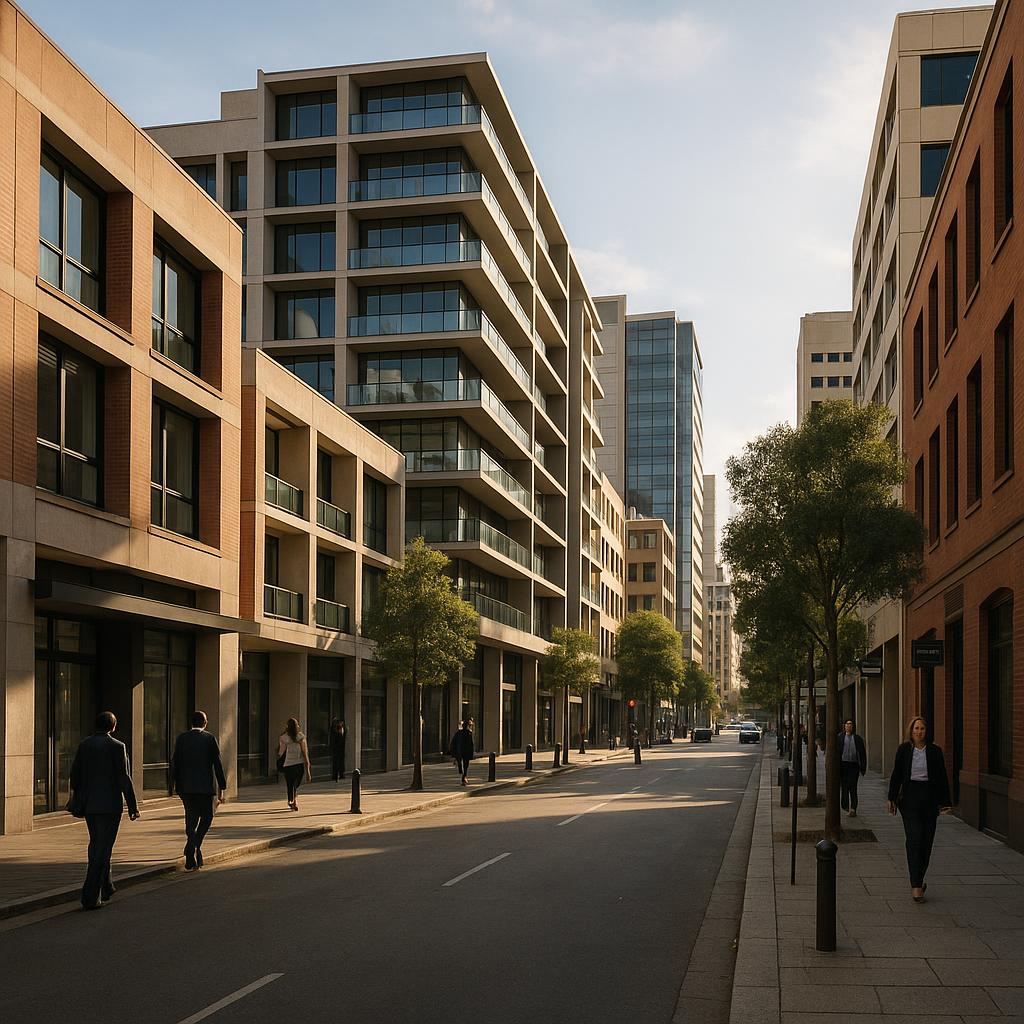
Cloisters Square sits in Perth’s inner-city apartment market, so its value is shaped by convenience, amenity, and building quality rather than land content. That makes it a different proposition from outer-ring suburbs: buyers are usually paying for access, ease, and a city-fringe lifestyle.
For investors and homeowners, the key question is whether the property feels genuinely practical for urban living. In this pocket, two apartments can attract very different interest depending on strata management, parking, natural light, and maintenance history. That is why inspection quality matters as much as postcode recognition.
Market behaviour here is typically influenced by the broader inner-Perth rhythm: professional demand, renter turnover, and the desirability of secure, well-kept apartments. If you are comparing options, look beyond the suburb name and assess the building as a standalone asset.
Buyer Demand
Buyer demand is usually driven by people who want to reduce commute time and live close to work, dining, and entertainment. That includes professional singles and couples, downsizers, first-home buyers comfortable with apartment living, and investors seeking a tenant-friendly asset.
The strongest demand generally goes to properties that feel easy to own and easy to live in. A functional floor plan, secure access, acceptable parking, and a building with sensible strata governance can matter more than extra internal area. For many buyers, a compact but well-presented apartment will be more marketable than a larger one with awkward design.
Rental Market
Renters here are typically looking for convenience rather than space: CBD workers, new arrivals to Perth, and people who prefer a short commute over a suburban commute. That means presentation, security, and low-effort living can be more important than large rooms or a big outdoor area.
For investors, that creates a useful but selective rental market. Apartments that are easy to maintain, have workable parking, and offer good natural light tend to be simpler to lease. By contrast, older stock with weak maintenance records, poor layout, or noisy outlooks can face more questions from renters and may need sharper pricing to compete. Always verify current rent levels and vacancy conditions using live listings and recent leased data.
Lifestyle, Transport & Schools
Cloisters Square suits people who value an urban routine: walk to cafés, services, and central Perth amenities, then return to a low-maintenance base. That lifestyle can be a major selling point for owner-occupiers who want less home upkeep and for tenants who want an easier weeknight pattern.
Transport access matters more here than in a typical suburban setting. Walkability and public transport can reduce car dependence, while parking becomes a practical feature rather than an absolute necessity for every buyer. If a property includes a secure bay and storage, that can improve appeal among both owner-occupiers and renters.
For schools, the context is simpler: this is not a family-house suburb where schooling usually drives the entire purchase decision, but education access can still matter for resale. Families should verify current catchments and enrolment rules directly with official sources, because boundaries and intake details can change.
Property Type Guide
- Apartments: The dominant choice for most buyers; assess layout efficiency, light, balcony usability, security, and noise transfer.
- Older stock: Can offer inner-city character or positioning benefits, but check maintenance history, lifts, waterproofing, and common areas carefully.
- Renovated stock: Often easier to lease and resell if finishes are practical, not just cosmetic, and the building itself is well maintained.
- Investor focus: Prioritise easy-to-rent floor plans, reliable strata administration, and features that reduce vacancy risk.
- Owner-occupier focus: Test liveability factors such as airflow, storage, parking access, and how much noise reaches the apartment at different times.
Risks & Watch-Outs
- Strata levies, special levies, and by-laws can materially affect total holding costs and day-to-day flexibility.
- Noise and privacy can be more challenging than buyers expect in an inner-city apartment setting.
- Parking access, visitor parking, and turning space should be checked in person, not assumed from the listing.
- Older buildings may carry deferred maintenance risk, so review minutes, sinking fund details, and any recent major works.
- Do not buy purely on location appeal; mismatched apartments can be harder to lease or resell if they suit too narrow a buyer pool.
Nearby Suburbs to Compare
- Perth St Georges Tce WA Property Market Guide: Buyers & Investors
- West Perth
- East Perth
- Northbridge
- Highgate
FAQ
Is Cloisters Square suitable for first-home buyers?
Yes, if the buyer wants a central, low-maintenance lifestyle and is comfortable with apartment living. It is less suitable for buyers who need large rooms, private outdoor space, or the flexibility of a detached home. Check strata costs carefully before committing.
Is Cloisters Square better for investors or owner-occupiers?
It can suit both, but for different reasons. Investors may like the central tenant pool and low-maintenance format, while owner-occupiers may value walkability and convenience. The best outcome depends on building quality, noise, and how easy the property is to live in.
What should I inspect before buying an apartment here?
Focus on the building, not just the unit. Review strata records, recent maintenance, parking, ventilation, noise, storage, lift condition, and common areas. If possible, inspect at different times of day to understand traffic, nearby activity, and how the apartment performs in real conditions.
Are rentals in this area likely to attract good demand?
Well-presented apartments with secure access, practical layouts, and decent parking usually have the broadest appeal. Demand is typically strongest from renters who value convenience over size. Poorly maintained or awkwardly configured stock can still lease, but may need stronger pricing and better presentation.
What are the biggest risks for buyers?
The biggest risks are usually strata costs, maintenance surprises, noise, privacy limitations, and parking complications. Buyers can reduce those risks by checking the building’s history, reading strata documents, and comparing the apartment against nearby inner-city alternatives before making an offer.
Conclusion
Cloisters Square is best viewed as a convenience-led inner-city apartment market. It rewards buyers who value accessibility, tenant appeal, and low-maintenance living, but it also requires disciplined due diligence on strata, building condition, and noise. If you buy the right unit in the right building, it can be a practical city asset rather than just a postcode purchase.
Sources & how to verify
- Check current asking prices, sold evidence, and rental competition on Domain so you are not relying on outdated estimates or one-off listings.
- Review live listings on realestate.com.au to compare floor plans, presentation, parking, and days on market across nearby apartments.
- Use the Australian Bureau of Statistics to understand broader demographic and household trends without guessing suburb-level numbers.
- Confirm planning controls and development context through WA Planning so you can identify nearby projects or zoning changes that may affect demand.
- Verify public transport routes, service patterns, and station or stop access using Transperth before assuming a property is as connected as the map suggests.
- Ask for the strata agenda, minutes, levy history, and maintenance records so you can test whether the building is being proactively managed or simply surviving.
- Use a building and pest inspection where relevant, because cosmetic renovation can hide water ingress, structural wear, or common-property issues.
- Check school catchments and enrolment rules directly through official education sources, because boundaries and intake arrangements can change over time.