Quick Answer
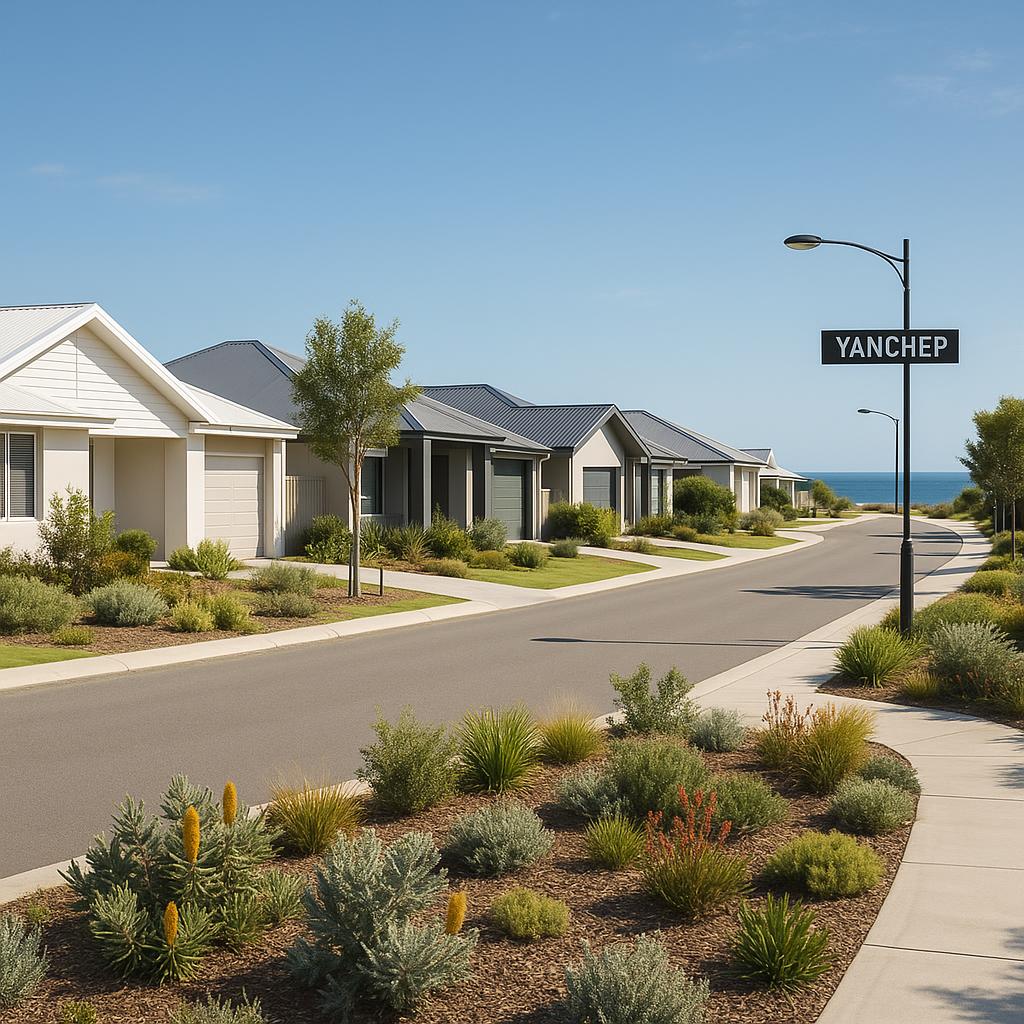
Yanchep is best understood as a long-term coastal growth suburb rather than a finished, blue-chip market. It can suit buyers who want newer housing, more space, and beachside living, while investors should focus on tenant fit, estate quality, and holding period. The upside case depends less on headline suburb hype and more on practical livability, infrastructure progression, and buying a property with broad appeal.
Key Takeaways
- Yanchep’s appeal comes from lifestyle, relative affordability, and a growth-corridor narrative rather than inner-metro convenience.
- Buyers should compare streets, estates, and dwelling designs, because micro-location can materially affect desirability.
- Investors need to assess tenant profile, commute practicality, and maintenance exposure, not just the suburb story.
- Family-friendly layouts, usable outdoor space, and low-maintenance finishes usually have the widest market appeal.
- Verify current conditions with live listings, recent sales, and local planning updates before making assumptions.
Pros & Cons
Pros
- Coastal setting with strong lifestyle appeal
- Newer housing stock and family-oriented estates
- Potential upside from continued corridor development
Cons
- venience can lag more established suburbs
- Commute and car dependence matter for many households
- perty quality and street appeal vary sharply by pocket
Market Overview
Yanchep is a northern coastal suburb of Perth that is still being shaped by land release, estate growth, and infrastructure build-out. For buyers, that usually means more house-and-land style housing, a newer streetscape, and a lifestyle-led market rather than a fully mature one. For investors, the key question is not whether the suburb has a story, but whether the specific property matches the needs of local households and renters.
The market feels like a suburb in transition: partly beachside, partly suburban expansion, and partly a long-duration growth thesis. That makes selection important. A home near practical amenity, with a sensible floor plan and solid presentation, can behave very differently from a similar home in a less convenient or less established pocket.
In plain terms, Yanchep can reward patient buyers who understand what they are trading off. You may gain space, a coastal lifestyle, and a newer home, but you should verify commute times, service access, and the quality of the surrounding estate rather than assuming every address will perform the same.
Buyer Demand
Demand in Yanchep tends to come from a mix of first-home buyers, young families, downsizers seeking lower-maintenance homes, and investors who believe in the northern corridor. The common thread is value seeking with a lifestyle overlay: buyers want a coastal feel without paying the premium of more central beach suburbs.
That means the strongest homes are usually those that are easy to live in and easy to resell. Practical layouts, good natural light, usable outdoor areas, and proximity to everyday amenity often matter more than cosmetic flair. In a growth suburb, broad appeal is an asset.
Rental Market
The rental market can suit tenants who want newer housing, more space, and a family-friendly setting. Likely renter groups include local workers, families upgrading from smaller dwellings, and households that value garage parking, storage, and a straightforward modern layout. That is useful for investors because family tenants often prefer stable, low-fuss homes.
For landlords, the key is to match the dwelling to the tenant profile, not just the suburb name. A well-presented 3–4 bedroom home with easy-care outdoor space is more likely to attract consistent enquiry than a property with awkward rooms, poor parking, or weak street appeal. Verify rentability against live listings and recent leased comparables, not an estimate alone.
Lifestyle, Transport & Schools
Yanchep’s lifestyle story is one of its biggest drawcards. The suburb suits people who want beach access, outdoor recreation, and a calmer day-to-day feel than many inner or middle-ring Perth suburbs. That lifestyle value is real, but it only converts into long-term demand when the property also works practically for everyday living.
Transport is a key trade-off. Many buyers will rely heavily on the car, so route convenience and travel time realism matter. Check the actual commute in peak periods rather than assuming map distances tell the whole story. For school-age families, practical access to schools, childcare, parks, and services often influences where they buy and rent, even without focusing on rankings.
If you are deciding between Yanchep and a more established suburb, visit at different times of day. Noise, traffic, and access to shops or services can feel very different once you experience the suburb as a resident rather than a map searcher.
Yanchep Suburb Profile
Official 2021 Census snapshot for the ABS Suburbs and Localities geography.
Age profile
Housing tenure
Occupied private dwellings by tenure type.
Salary & income profile
Median total income reported in the Census.
*Annual figures are weekly median × 52 estimates, not separate ABS annual medians.
Education & qualifications
Highest educational attainment, people aged 15+.
Employment status
People aged 15+ who reported being in the labour force.
Industry of employment
Top responses among employed people aged 15 years and over.
Occupation profile
Broad occupation groups among employed residents, including managers.
Property Type Guide
- New-build homes: Modern layouts, lower immediate maintenance, and strong appeal to first-home buyers and tenants.
- House-and-land style properties: Often suit buyers wanting space, practicality, and a fresh-home feel.
- Established homes: Can offer more settled streetscapes and sometimes better land feel than brand-new pockets.
- Family homes: Usually the broadest market segment, especially when they offer multiple living zones and outdoor usability.
- Low-maintenance lots: Can work well for investors who want easier upkeep and broad renter appeal.
Risks & Watch-Outs
- Do not pay for a future-story suburb without checking current demand, recent comparable sales, and rental competition.
- Some pockets may feel less convenient than the postcode suggests, especially for daily commuting and errands.
- New estates are not automatically equal; street presentation, build quality, and surrounding development matter.
- Buying a property with a narrow buyer pool can make resale slower and price negotiations harder later.
- Coastal environments can increase maintenance considerations, so inspect materials, finishes, drainage, and general upkeep carefully.
Nearby Suburbs to Compare
- Alkimos
- Ellenbrook
- Butler
- Secret Harbour
- Two Rocks
- Eglinton
FAQ
Is Yanchep a good place to buy a house?
It can be a strong option if you want a coastal suburb with newer housing, more space, and a growth-area feel. The main decision is whether you are comfortable trading some convenience for lifestyle and longer-term upside.
Is Yanchep good for investors?
Potentially, yes, but it suits investors who think beyond immediate yield and focus on tenant demand, house quality, and holding period. The best results usually come from properties that appeal to families and owner-occupiers, not just short-term renters.
What type of property works best in Yanchep?
Broadly appealing homes tend to be the safest bet: practical 3–4 bedroom layouts, good parking, usable outdoor space, and low-maintenance finishes. In a growth suburb, “easy to live in” often performs better than highly specific design choices.
What should first-home buyers watch out for?
Test commute times, understand estate differences, and check whether the property is close enough to the amenities you actually use. A cheaper home can become expensive in time and stress if it does not fit your routine.
How do I compare Yanchep with nearby suburbs?
Compare the liveability trade-off rather than just prices. Look at transport convenience, amenity maturity, street quality, and the likely buyer or tenant pool. The right choice depends on whether you value growth potential, convenience, or a more established feel.
Conclusion
Yanchep is a suburb with genuine appeal for buyers who want coastal living, newer housing, and a longer-term growth story. It is not a suburb to buy casually. The best outcomes are likely to come from careful pocket selection, realistic commute expectations, and properties with broad owner-occupier and tenant appeal.
Sources & How to Verify
- Check current sold results and active listings on Domain so you can compare asking prices, property types, and time on market before drawing conclusions.
- Review live rental listings on realestate.com.au to understand what tenants are being offered now and how your target property would compete.
- Use the Australian Bureau of Statistics to confirm broader demographic and housing trend context, rather than relying on anecdotal suburb claims.
- Check planning and development updates through the City of Wanneroo website if you want to verify local amenity changes, land use, and community infrastructure.
- Confirm transport and corridor planning through Transport WA so you can separate announced projects from completed, usable infrastructure.
- Use the My School website to verify nearby school information, but interpret it carefully and focus on suitability, not rankings alone.
- Inspect the property in person at different times of day to test noise, traffic, access, street presentation, and the surrounding estate quality.
- Always compare like with like: same property type, similar land size, and similar condition, because suburb averages can hide major pocket-level differences.