Quick Answer
Northam can suit buyers who want regional affordability, larger blocks, and a slower pace than Perth, but it is not a one-size-fits-all market. For owner-occupiers, the main appeal is space and practicality; for investors, the focus should be tenant demand, maintenance risk, and how easily the property will resell. The best buys are usually the ones with broad appeal, solid condition, and good access to day-to-day services.
Key Takeaways
- Northam is a regional service centre, so buying logic is more practical than prestige-driven.
- Affordability and space are major draws, but property condition and location still matter heavily.
- Older homes can offer value, yet they often require more careful inspection and maintenance budgeting.
- Investor returns depend on tenant appeal, low vacancy risk, and avoiding overly niche dwellings.
- Comparing Northam with nearby regional alternatives can sharpen your buying decision.
Pros & Cons
Pros
- More accessible entry point than many Perth markets.
- Regional lifestyle with space, yards, and a less congested feel.
- Can appeal to buyers and tenants seeking practical value.
Cons
- Regional demand can be more sensitive to local economic conditions.
- Older stock may need repairs, upgrades, or ongoing maintenance.
- Resale depth can be thinner than in larger metro markets.
Market Overview
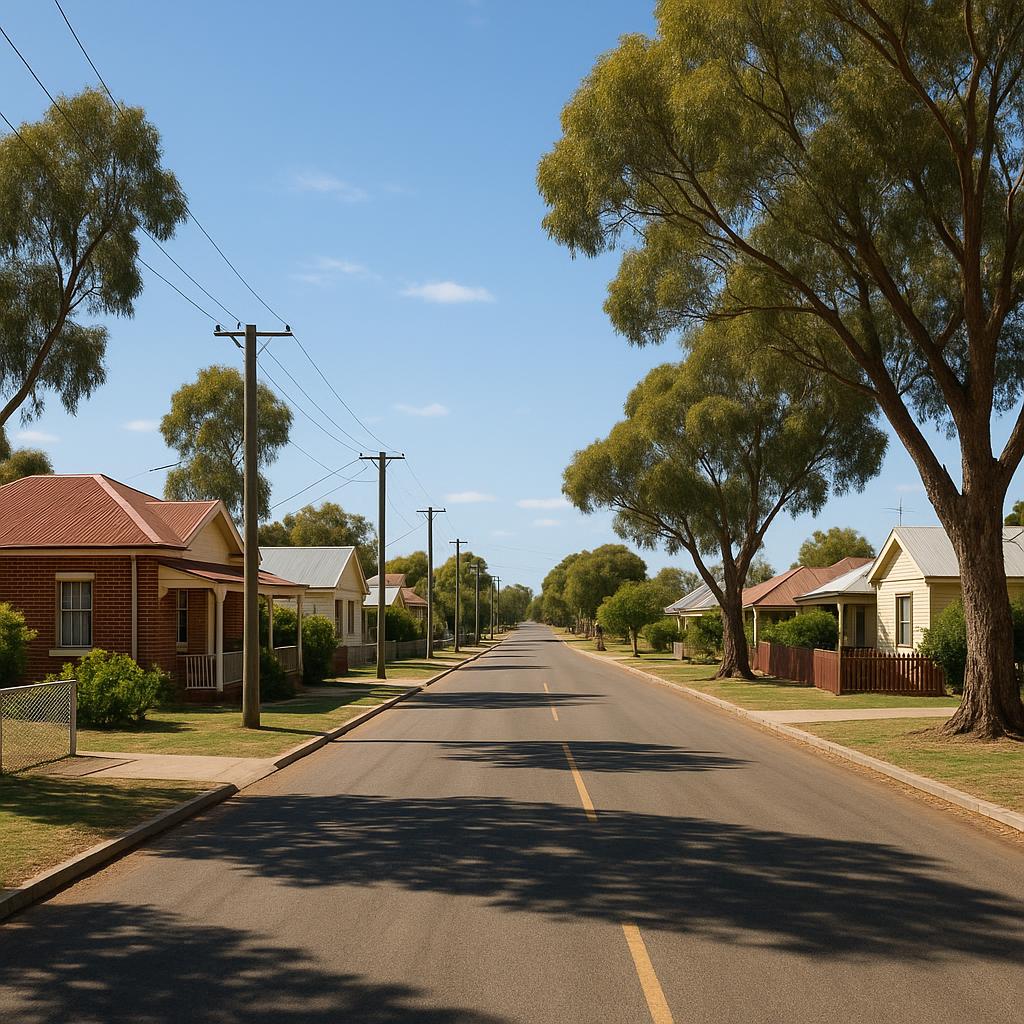
Northam is a regional town in Western Australia’s Wheatbelt and operates more like a local service hub than a typical Perth suburb. That means the market is shaped by everyday practicality: access to services, property condition, land size, and the strength of local demand rather than prestige or “postcode” hype.
For buyers, that creates opportunity if you are disciplined. A well-located, well-kept home can be more attractive than a cheaper property that needs immediate work or sits in a less convenient pocket. For investors, the key question is not just “what is cheap?” but “what will stay rentable and easy to resell?”
Northam also tends to attract a mixed buyer pool: locals moving within the town, regional lifestyle buyers wanting more space, and investors looking for lower entry prices than Perth. Because the market is smaller and less liquid than a capital city suburb, due diligence matters more than fast decision-making.
Buyer Demand
Buyer demand in Northam is generally driven by affordability, land availability, and the appeal of a regional lifestyle. That attracts first-home buyers, families needing more room, and owner-occupiers who want a detached home rather than a tightly held metro townhouse. It can also appeal to people who can work flexibly or commute only occasionally.
From a strategy perspective, the best demand is usually for properties with broad usability: functional layouts, usable yards, straightforward maintenance, and access to daily essentials. A home that feels “easy to live in” will usually have a wider buyer pool than a quirky or heavily customised property.
Rental Market
For investors, Northam’s rental appeal comes down to practicality. Tenants typically look for homes that are clean, secure, easy to maintain, and close enough to shops, work, or family services to reduce daily friction. Presentation matters more than many landlords expect in a regional market.
Older properties can still rent well if they are safe, functional, and reasonably updated. But you should budget for maintenance, older-system repairs, and possible vacancy periods if the home is tired or unusually configured. In regional markets, the lowest purchase price is not always the best-performing investment.
Lifestyle, Transport & Schools
Northam offers a quieter, more spacious lifestyle than Perth, which is often the main reason people consider it. It can suit buyers who value community feel, less traffic, and the option of a larger block or backyard. That said, regional convenience is a major part of liveability, so location still matters.
Transport considerations are practical rather than glamorous: road access, driving time, parking, and how easily the home connects to the places you need to visit regularly. If your life depends on a predictable commute or frequent trips to services, inspect the location carefully and test it at the times you would normally travel.
For families, school access should be assessed through daily routine, not rankings alone. Look at travel time, road safety, after-school logistics, and whether the home’s location supports your preferred pattern of life. A well-priced property can still be a poor fit if the day-to-day routine becomes cumbersome.
Northam Suburb Profile
Official 2021 Census snapshot for the ABS Suburbs and Localities geography.
Age profile
Housing tenure
Occupied private dwellings by tenure type.
Salary & income profile
Median total income reported in the Census.
*Annual figures are weekly median × 52 estimates, not separate ABS annual medians.
Education & qualifications
Highest educational attainment, people aged 15+.
Employment status
People aged 15+ who reported being in the labour force.
Industry of employment
Top responses among employed people aged 15 years and over.
Occupation profile
Broad occupation groups among employed residents, including managers.
Property Type Guide
- Older detached homes: Often offer value and larger rooms, but check for maintenance, drainage, and upgrade costs.
- Renovated family homes: Usually suit owner-occupiers and tenants who want convenience and fewer immediate surprises.
- Smaller homes or units: Can reduce upkeep, though the resale buyer pool may be narrower in a regional setting.
- Larger blocks: Attractive for space and lifestyle, but allow for landscaping, fencing, and ongoing care costs.
- Value-add opportunities: Best when the bones are good and the work scope is clear and manageable.
Risks & Watch-Outs
- Older housing stock can hide repair costs that are not obvious from listing photos.
- Flood, drainage, and site-specific location checks matter more in some Northam pockets than buyers expect.
- Insurance and ongoing maintenance can materially change the real cost of ownership.
- Very unique homes may be harder to resell or lease than standard family-friendly options.
- Buying on price alone can lead to a property that is cheap to purchase but expensive to hold.
Nearby Suburbs to Compare
- Toodyay
- York
- Merredin
- Goomalling
- Clackline
FAQ
Is Northam a good place to buy property?
It can be, especially if you want regional affordability and are comfortable buying with more diligence than you would in a larger metro market. The best outcomes usually come from choosing a property with broad appeal, manageable maintenance, and good local convenience.
Is Northam better for homeowners or investors?
It can suit both, but the buying criteria differ. Homeowners should focus on comfort, layout, access, and liveability. Investors should prioritise rentability, tenant appeal, ongoing maintenance, and how easily the property could be sold later.
What type of property is safest in Northam?
Generally, a standard, well-kept home with broad family appeal is easier to manage than a highly unusual property. In regional markets, standard layouts, sensible block usability, and visible upkeep often reduce holding and resale risk.
Should I buy an older home in Northam?
Only if you are comfortable checking condition carefully and budgeting for repairs or improvements. Older homes can offer strong value, but the real cost depends on the building’s state, maintenance history, and the likely scope of future work.
What should I verify before buying?
Check property condition, local access, flood or drainage considerations where relevant, and how the home fits your long-term strategy. Also compare it with nearby alternatives so you understand whether Northam is the best available option for your budget.
Conclusion
Northam can be a sensible choice for buyers who value affordability, space, and a regional lifestyle, but success depends on picking the right property rather than chasing the cheapest one. For investors, tenant appeal and maintenance discipline matter; for owner-occupiers, convenience and liveability should lead the decision.
Sources & how to verify
- Check current listings on realestate.com.au to confirm what is actually on the market, how properties are presented, and which features are common in Northam.
- Review sold evidence on Domain so you can compare recent asking prices with real buyer outcomes instead of relying on a single estimate.
- Use the Australian Bureau of Statistics to verify broader regional demographic and housing context before making assumptions about demand.
- Check planning, zoning, and local development information with Shire of Northam so you understand any constraints that could affect a property or future improvements.
- Review flood and hazard mapping through WA Government resources where relevant, especially for properties near drainage or lower-lying areas.
- Confirm school intake, distance, and enrolment details through the WA Department of Education rather than relying on third-party summaries.
- Speak with local property managers and agents to understand tenant demand, upkeep expectations, and how quickly comparable homes lease in practice.