Quick Answer
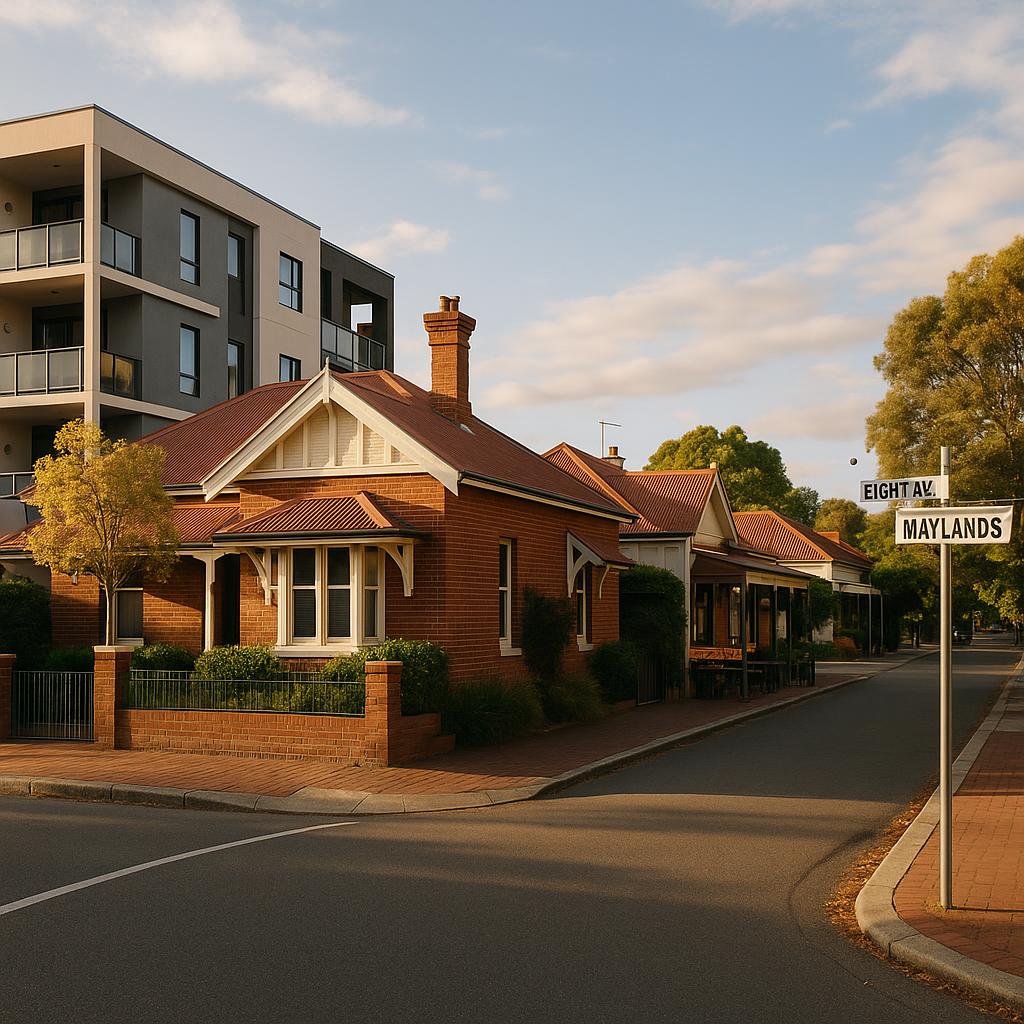
Maylands is an inner-northern Perth suburb that suits buyers who want convenience, character, and a broad mix of property types close to the CBD. It is often strongest for owner-occupiers and investors who value walkability, transport access, and a lifestyle-led market rather than pure land size. The key is choosing the right pocket and dwelling type, because noise, parking, strata quality, and renovation costs can materially change the outcome.
Key Takeaways
- Maylands appeals to buyers who prioritise inner-suburb convenience, lifestyle amenity, and access to central Perth over larger blocks.
- The suburb offers mixed housing stock, so property type and street position matter as much as the suburb name itself.
- Demand often comes from a blend of first-home buyers, professionals, downsizers, and investors seeking low-maintenance or character-led options.
- Rental appeal is typically supported by transport access, walkability, and easy access to city-oriented jobs and amenities.
- Buyers should verify noise, parking, strata health, and renovation scope before committing, especially in denser or older pockets.
Pros & Cons
Pros
- Inner-suburb location with strong lifestyle appeal
- Useful for commuting, daily convenience, and tenant demand
- Varied property options, from older homes to lower-maintenance dwellings
Cons
- Some pockets are exposed to traffic, rail, or activity noise
- Older homes can bring higher repair and renovation costs
- Strata living may add levies, rules, and management risk
Market Overview
Maylands sits close to central Perth and has the kind of established inner-suburban character that attracts buyers who want convenience with personality. It is not a one-note suburb: some streets feel quiet and residential, while others are more urban, active, and transport-oriented. That means value is shaped by the immediate pocket, not just the postcode.
For investors and homeowners, the suburb’s appeal is tied to its flexibility. Character homes, townhouses, and apartments can all find buyers here, but each competes in a different way. A renovated cottage may appeal to a lifestyle buyer, while a well-presented apartment can suit a time-poor owner or tenant who wants simplicity and access.
If you are comparing properties in Maylands, focus on the street, dwelling condition, and practical livability. The same suburb can deliver very different outcomes depending on whether you are buying for family use, lock-and-leave convenience, or long-term rental resilience.
Buyer Demand
Demand in Maylands is usually driven by people who want inner-Perth access without moving into the CBD itself. That tends to include first-home buyers, professionals, downsizers, and investors who prefer established amenity and a broad tenant pool. Buyers are often willing to pay more for a property that feels easy to live in day to day.
The strongest competition typically comes for homes that combine good presentation, practical parking, and a walkable position. In contrast, properties with awkward layouts, expensive maintenance, or less desirable street exposure may need sharper pricing or a clear value-add story to attract attention.
Rental Market
Maylands has broad rental appeal because it offers an inner-suburb lifestyle that is often more accessible than premium riverside or heritage-adjacent locations. Tenants commonly value commute convenience, local amenity, and low-maintenance living, especially where the property is easy to furnish, easy to park at, and easy to maintain.
For investors, the main question is not just “can it lease?” but “how comfortably and consistently can it lease?” Apartments and townhouses can work well if the building is well managed and the layout suits real tenant use. Before buying, check strata documents, parking practicality, storage, and any maintenance history that could affect ongoing holding costs.
Lifestyle, Transport & Schools
Maylands offers a lifestyle that blends café culture, local services, and urban convenience with pockets of riverside recreation and established neighbourhood character. That mix matters because many buyers in this market are paying for how the suburb feels to live in, not just where it sits on a map.
Transport access is a genuine part of the suburb’s value proposition. Buyers who commute regularly should compare walking distance, route convenience, and road access, while also testing the property at peak traffic times. In an inner suburb like this, a few streets can make a major difference to noise, parking, and everyday convenience.
School access can also shape buyer interest, particularly for households planning to hold long term. Even if you are not buying for school-age children, nearby education options and family-friendly amenity can support broader demand. Verify current catchments and local school information with official WA education sources before relying on assumptions.
Maylands (WA) Suburb Profile
Official 2021 Census snapshot for the ABS Suburbs and Localities geography.
Age profile
Housing tenure
Occupied private dwellings by tenure type.
Salary & income profile
Median total income reported in the Census.
*Annual figures are weekly median × 52 estimates, not separate ABS annual medians.
Education & qualifications
Highest educational attainment, people aged 15+.
Employment status
People aged 15+ who reported being in the labour force.
Industry of employment
Top responses among employed people aged 15 years and over.
Occupation profile
Broad occupation groups among employed residents, including managers.
Property Type Guide
- Character homes: Best for buyers who want charm, street presence, and renovation upside. Check for maintenance scope, original construction issues, and realistic upgrade budgets.
- Townhouses: Often suit professionals, downsizers, and low-maintenance owner-occupiers. Review strata rules, shared costs, and layout efficiency before deciding.
- Apartments and units: Useful for first-home buyers and investors seeking simpler ownership. Focus on strata quality, noise, parking, and resale strength.
- Modern infill dwellings: Can appeal to buyers wanting contemporary function and reduced immediate upkeep. Compare lot size, privacy, and long-term liveability.
- Renovated houses: Attractive to buyers wanting move-in-ready convenience. Confirm workmanship quality, compliant alterations, and whether the premium is justified by the local market.
Risks & Watch-Outs
- Noise exposure can vary sharply between streets, especially near busier corridors, rail influence, or higher-activity pockets.
- Older homes may look appealing but can hide costly maintenance issues, including structural repairs, damp, or outdated services.
- Strata schemes can create unexpected holding costs, restrictions, or dispute risks if the building is not well managed.
- Parking and access should be checked in person, because tight streets and limited bays can affect both living comfort and rental appeal.
- Renovation budgets should be stress-tested, as cosmetic upgrades can expand quickly once trades, compliance, and hidden defects are included.
Nearby Suburbs to Compare
- Inglewood WA Property Market Guide: Buyers & Investors
- Mount Lawley WA Property Market Guide: Buyers & Investors
- Bayswater WA Property Market Guide: Buyers & Investors
- Bedford
- Victoria Park WA Property Market Guide: Buyers & Investors
FAQ
Is Maylands good for first-home buyers?
It can be, especially for buyers who want an inner-suburb location and are willing to trade land size for convenience. First-home buyers should compare apartments, units, townhouses, and smaller houses based on commute, maintenance, and parking needs rather than choosing by suburb label alone.
Is Maylands a good suburb for investors?
Potentially yes, because the suburb can appeal to a wide tenant pool that values access, amenity, and lower-maintenance living. The best investor purchases are usually those with practical layouts, good strata management where relevant, and strong everyday livability rather than flashy finishes.
What property type is best in Maylands?
That depends on your goal. Character homes suit buyers who want charm and improvement potential, while townhouses and apartments suit buyers prioritising convenience and ease of ownership. Investors often favour dwellings that are simple to lease, maintain, and manage over time.
Is Maylands family-friendly?
It can work for families, but suitability depends on the specific street, dwelling type, and access to parks, schools, and parking. Families should inspect the property at different times of day and test whether the layout, outdoor space, and noise levels suit their routine.
What should buyers check before making an offer?
Check noise, parking, access, building condition, strata documents if applicable, and the cost of any likely repairs or upgrades. Also compare the immediate street and surrounding pocket, because two similar-looking properties in the same suburb can offer very different liveability.
Conclusion
Maylands is best approached as an inner-Perth suburb where lifestyle, convenience, and property type choice drive results. Buyers who focus on the right pocket, practical livability, and condition will usually make better decisions than those relying on suburb reputation alone. Compare dwellings carefully, verify details on the ground, and buy for your actual use case.
Sources & How to Verify
- Check current for-sale and sold listings on Domain to compare asking prices, recent results, and property features in the same pocket.
- Use realestate.com.au to review active listings, rental competition, and how different dwelling types are being presented to the market.
- Confirm transport routes, service frequency, and station or stop access on Transperth before assuming a property is well connected.
- Review planning, zoning, and local planning controls through WA Planning so you understand what may be built or changed nearby.
- Check local place information and community updates via City of Bayswater to verify precinct changes, works, and amenity context.
- Use the Australian Bureau of Statistics for broad demographic context, but pair it with on-the-ground inspection because suburb data does not tell you street-level livability.
- Verify school information with official WA education sources so you are using current catchment and enrolment guidance rather than outdated third-party claims.