Quick Answer
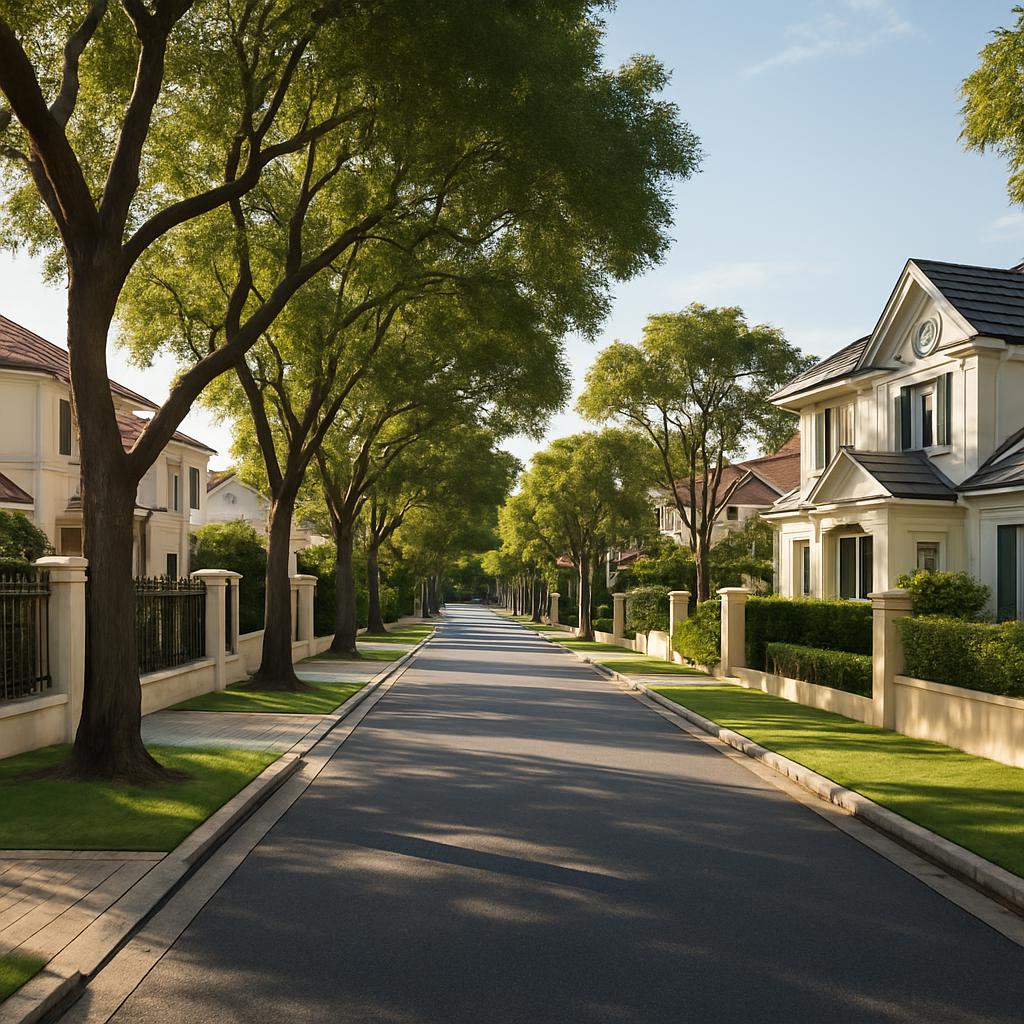
Claremont is a premium western suburbs market where lifestyle, convenience, and reputation heavily influence buyer behaviour. It tends to suit owner-occupiers and investors who want long-term desirability rather than bargain entry pricing. The best results usually come from choosing the right property type for your goal: character house, low-maintenance townhouse, or a quality apartment with strong amenity access. In a suburb like Claremont, micro-location and building quality matter as much as the postcode.
Key Takeaways
- Claremont is a tightly held, lifestyle-led suburb with strong appeal to families, professionals, and downsizers.
- Demand is often shaped by walkability, transport access, schooling options, and the quality of the home or complex.
- Investors should prioritise tenant appeal, low-maintenance ownership, and a property type that fits local expectations.
- Character homes, apartments, and townhouses each attract different buyer pools, so “best” depends on strategy.
- Use recent comparable sales, strata records, and rental listings to verify value before making a move.
Pros & Cons
Pros
- Strong prestige and lifestyle appeal support long-term buyer interest.
- Good mix of housing options broadens the pool of potential purchasers and tenants.
- venience to amenity and transport can improve everyday livability and resale confidence.
Cons
- Entry costs are typically high compared with many Perth suburbs.
- The wrong property type can underperform even in a strong location.
- Older homes and some complexes may carry maintenance or strata complexity.
Market Overview
Claremont sits in Perth’s western suburbs and is widely viewed as a prestige, amenity-rich market with a strong owner-occupier feel. It is not the kind of suburb where one simple metric tells the whole story; value often comes down to street appeal, proximity to daily conveniences, and the specific dwelling type.
The suburb’s market character is shaped by limited stock, strong reputation, and a mix of housing forms that appeal to different buyers. That means two properties a short distance apart can attract different audiences and very different levels of competition. For buyers, the key question is not just “Is it Claremont?” but “Does this property suit the way people actually buy in Claremont?”
In practical terms, prestige suburbs like Claremont often reward patience and discipline. Buyers who understand micro-location, maintenance burden, and buyer psychology are usually better placed than those chasing a headline address alone.
Buyer Demand
Buyer demand is usually driven by lifestyle, convenience, and the suburb’s established reputation. Families often look for access to schooling and space, while professionals and downsizers tend to prioritise low-maintenance living and day-to-day ease.
Competition can be strongest for homes that combine location, practicality, and presentation. A renovated house on a useful block, or a well-kept apartment in a walkable pocket, may appeal more broadly than a larger property that needs work or lacks convenience.
Rental Market
Rental demand is typically supported by professionals, couples, and some families who want access to premium amenity without compromising on location. In this kind of market, presentation, parking, storage, and security can influence tenant choice as much as the number of bedrooms.
For investors, the strongest rental candidates are usually easy-to-manage properties with broad appeal: quality apartments, townhouses, or smaller homes that are well maintained. Verify current leasing demand by checking live listings, days on market, and the condition standards tenants expect in comparable western suburbs.
Lifestyle, Transport & Schools
Claremont has a lifestyle profile that suits households wanting convenience rather than isolation. The suburb offers everyday amenity, established streets, and easy access to surrounding western suburbs, which helps explain its appeal to both owner-occupiers and tenants.
Transport access is an important part of the equation. Rail and road connectivity make commuting more practical than in many prestige suburbs, which can widen the buyer pool. For households balancing work, school runs, and social commitments, that convenience can be a major value driver.
Schools also matter here, especially for family buyers who shortlist suburbs based on access, routine, and educational fit. Rather than relying on hearsay, check current catchment and enrolment information directly with the relevant schools and official education sources before assuming a property suits your needs.
Claremont (WA) Suburb Profile
Official 2021 Census snapshot for the ABS Suburbs and Localities geography.
Age profile
Housing tenure
Occupied private dwellings by tenure type.
Salary & income profile
Median total income reported in the Census.
*Annual figures are weekly median × 52 estimates, not separate ABS annual medians.
Education & qualifications
Highest educational attainment, people aged 15+.
Employment status
People aged 15+ who reported being in the labour force.
Industry of employment
Top responses among employed people aged 15 years and over.
Occupation profile
Broad occupation groups among employed residents, including managers.
Property Type Guide
- Character homes: appeal to buyers who value charm, land presence, and period feel, but may require ongoing upkeep.
- Renovated homes: can attract strong interest if layout and finishes are practical, though cosmetic updates do not fix poor fundamentals.
- Apartments: suit lock-and-leave buyers and some investors, but strata quality and building condition are critical.
- Townhouses and villas: often hit a useful middle ground for downsizers and small households wanting less maintenance.
- Family homes on larger lots: may suit long-term owners who value space, but buyers should factor renovation and holding costs.
Risks & Watch-Outs
- Do not assume prestige alone protects value; poor layout, weak presentation, or inconvenient positioning can still limit demand.
- Older homes can bring hidden repair costs, so inspect for structural, moisture, and electrical issues before you buy.
- Apartment and villa buyers should review strata records, levies, insurance, and any planned works carefully.
- Some properties may look attractive online but feel less compelling in person if parking, access, or noise is suboptimal.
- Always compare recent sales by property type, not just by suburb name, to avoid overpaying for the wrong asset.
Nearby Suburbs to Compare
- Mosman Park WA Property Market Guide: Buyers & Investors
- Nedlands
- Cottesloe WA Property Market Guide: Buyers & Investors
- Subiaco WA Property Market Guide: Buyers & Investors
- South Perth WA Property Market Guide: Buyers & Investors
FAQ
Is Claremont a good suburb for families?
It can be, especially for households that value convenience, established amenity, and access to schooling options. Families should focus on the exact property type, street context, parking, and school logistics rather than assuming every Claremont home offers the same family fit.
Is Claremont a good suburb for investors?
Yes, if the investment thesis is durability and tenant appeal rather than chasing high yield. Investors should prioritise easy-to-let homes, good presentation, and low maintenance. In premium suburbs, the quality of the asset often matters more than trying to maximise gross rent.
What property types are most common in Claremont?
You will generally see a mix of character homes, renovated dwellings, apartments, and townhouses or villas. Each attracts a different buyer pool. The best choice depends on whether you are buying for family living, downsizing, or long-term holding.
What should buyers check before purchasing in Claremont?
Check recent comparable sales, the exact micro-location, maintenance condition, parking, and any strata obligations. For family buyers, verify schooling and travel routines. For investors, assess tenant appeal and how easily the property can be leased in today’s market.
How does Claremont compare with nearby suburbs?
Claremont often sits in the middle of a western suburbs decision set alongside places like Subiaco, Nedlands, and Cottesloe. The right choice depends on whether you want river access, coastal appeal, family convenience, or a different balance of lifestyle and price.
Conclusion
Claremont suits buyers and investors who value long-term desirability, daily convenience, and a suburb with enduring prestige. The best outcomes usually come from matching the right dwelling type to the right goal, then checking the fundamentals with discipline. In a premium market, smart selection and due diligence matter more than simply buying the most expensive address.
Sources & How to Verify
- Check current sales evidence on Domain so you are comparing recent Claremont transactions rather than relying on outdated estimates.
- Review live listings on realestate.com.au to see what similar homes are actually asking and how long they remain on market.
- Use REIWA to cross-check WA-specific market commentary and recent suburb-level activity.
- Confirm official local planning and zoning information through Town of Cambridge or the relevant local government resources if boundaries or controls may affect the property.
- Verify schools, enrolment zones, and intake information via WA Department of Education before relying on reputation or word-of-mouth.
- Check transport routes and service patterns on Transperth to confirm how practical the commute is from the specific address.
- Use ABS if you want demographic context, but treat it as background only and pair it with current property data.
- For apartments and villas, request strata records and by-laws directly from the seller or agent so you can identify levies, restrictions, and upcoming works.