Quick Answer
Fremantle suits buyers who want a distinctive coastal-heritage lifestyle and are willing to assess each street, building, and property type carefully. For homeowners, it can deliver daily amenity, walkability, and long-term appeal; for investors, it can offer solid tenant interest where the dwelling is easy to live in and maintain. The key is not buying “Fremantle” generically, but choosing the right pocket, building age, parking setup, and upkeep profile for your goals.
Key Takeaways
- Fremantle is a location-sensitive market, so street-level differences can matter as much as the suburb name.
- Character housing often attracts strong emotional demand, but buyers should budget for maintenance and renovation constraints.
- Investors usually do best with easy-to-manage properties that suit local tenant demand and reduce ongoing friction.
- Walkability, transport access, and amenity often support both liveability and resale appeal in the right pockets.
- The best purchase is usually the one that matches your use case, not the one that simply looks the most charming.
Pros & Cons
Pros
- Strong lifestyle and identity appeal with a coastal-urban feel.
- Broad range of housing types for different buyer strategies.
- Good tenant interest where properties are well-located and practical.
Cons
- Older housing stock can mean higher upkeep and renovation complexity.
- Parking, access, and noise can vary sharply between pockets.
- Coastal exposure and building age may increase long-term maintenance needs.
These trade-offs matter because Fremantle rewards informed buying more than broad suburb-based assumptions. A well-chosen property can be highly desirable, while the wrong street, building, or layout can erode value through inconvenience and extra costs.
Market Overview
.
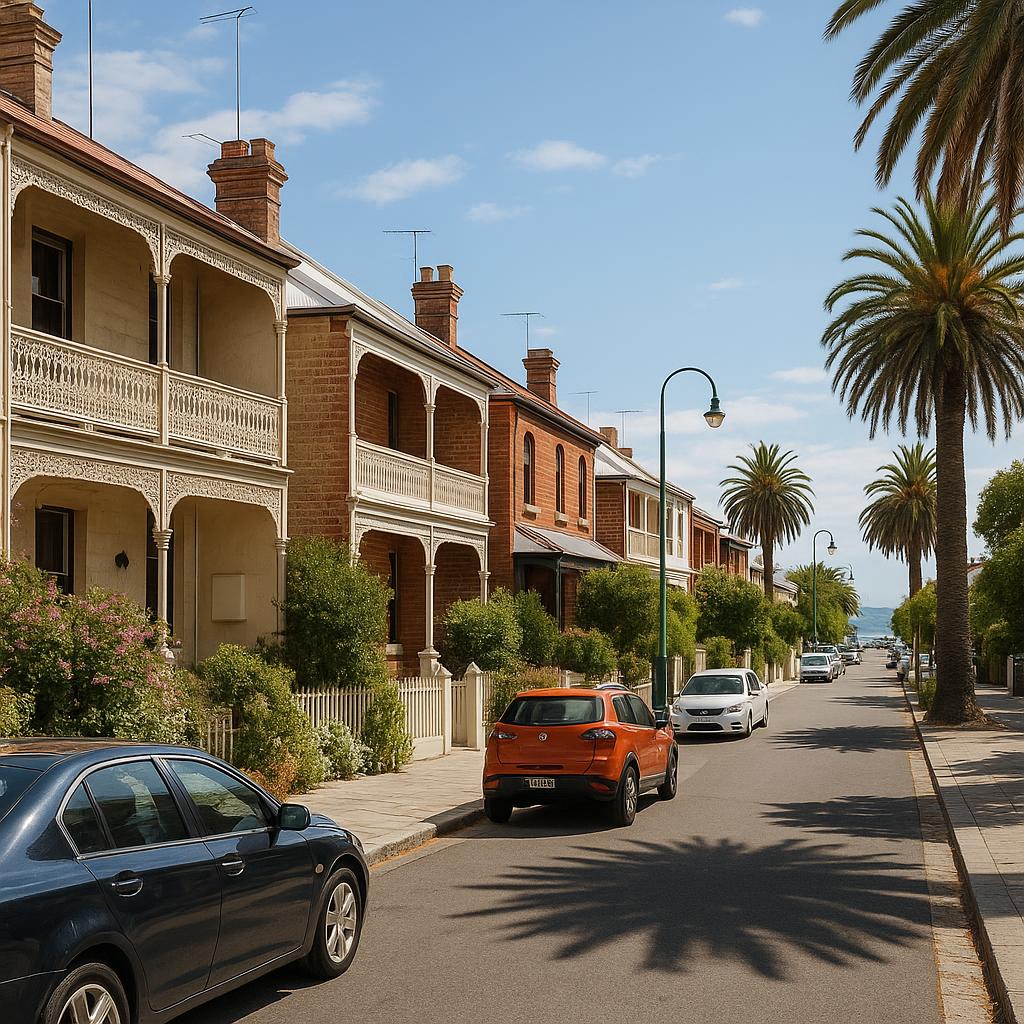
Fremantle is an established coastal hub in Perth’s inner south-west, with a market shaped by heritage character, urban amenity, and a strong local identity. It is not a uniform suburb: some pockets feel tightly held and walkable, while others are more exposed to traffic, commercial activity, or apartment-style living.
That variation is central to how the market behaves. Buyers often compete for homes with character, usability, and good access to lifestyle infrastructure, while investors tend to focus on simplicity, leaseability, and low ongoing maintenance. Supply constraints in certain property types can also support long-term interest.
For a broader Perth context, Fremantle sits in the kind of market where location quality and property condition can outweigh headline suburb trends. Buyers should verify current conditions through live listings, recent sales, and building-specific due diligence rather than relying on a single market
Buyer Demand
Demand in Fremantle is typically driven by owner-occupiers seeking lifestyle, downsizers wanting convenience, and buyers who value character housing. There is also steady interest from people relocating within the area because the suburb offers a distinct way of living rather than a standard suburban model.
What buyers often prioritise is practical: walkability, parking, floorplan functionality, and how much work the property will need after settlement. A renovated home on a quieter street can appeal very differently from a raw character dwelling or an apartment with strata complexity.
Rental Market
Fremantle usually appeals to tenants who want an active, central, and walkable coastal lifestyle. That can include professionals, couples, and some small households who value access to transport, dining, and everyday amenity more than a newer outer-suburban environment.
For investors, the best rental outcomes generally come from properties that are easy to maintain and easy to present well. Older homes can lease strongly when well kept, but investors need to account for repair exposure, access issues, and whether the property’s layout suits the tenant pool it is likely to attract.
Lifestyle, Transport & Schools
Fremantle’s lifestyle appeal is a major part of its buying power. It offers a mix of heritage streets, coastal energy, dining, culture, and public spaces that give the area a strong sense of place. That identity matters because many buyers choose Fremantle for day-to-day enjoyment, not just future capital growth potential.
Transport and convenience remain important, especially for commuters or households balancing work and lifestyle. Road connections, public transport access, and walkable pockets can make a meaningful difference to livability, but these benefits are not evenly distributed. Buyers should inspect travel patterns, parking, and access during peak and off-peak times.
For families, schools should be assessed by actual catchment, commute, and routine—not by suburb reputation alone. Check current enrolment rules and walking or driving practicality, especially if you are comparing older homes, apartments, or pockets closer to busier precincts.
Fremantle Suburb Profile
Official 2021 Census snapshot for the ABS Suburbs and Localities geography.
Age profile
Housing tenure
Occupied private dwellings by tenure type.
Salary & income profile
Median total income reported in the Census.
*Annual figures are weekly median × 52 estimates, not separate ABS annual medians.
Education & qualifications
Highest educational attainment, people aged 15+.
Employment status
People aged 15+ who reported being in the labour force.
Industry of employment
Top responses among employed people aged 15 years and over.
Occupation profile
Broad occupation groups among employed residents, including managers.
Property Type Guide
- Character homes: Best for buyers who value charm and uniqueness; inspect carefully for upkeep, renovations, and any planning constraints.
- Apartments and units: Often suit investors or downsizers seeking lower-maintenance living, but strata quality and noise matter.
- Townhouses and infill: A middle-ground option for convenience, though they usually offer less character than older homes.
- Renovators: Can create value if the budget, scope, and structural condition are well understood before purchase.
Risks & Watch-Outs
- Older homes may carry hidden repair, compliance, or upgrade costs that are not obvious on first inspection.
- Some streets and pockets can be affected by traffic, nightlife, or nearby commercial uses, so inspect at different times.
- Parking and access can be tight in certain areas, which affects both owner-occupiers and tenant appeal.
- Apartment and strata buyers should review building condition, levies, and by-law restrictions before committing.
- Coastal exposure and age-related wear can increase maintenance needs over the life of the property.
Nearby Suburbs to Compare
- Perth WA Property Market Guide: Buyers & Investors for a broader inner-city context.
- South Fremantle for similar lifestyle appeal and beach-adjacent comparisons.
- East Fremantle for a different residential feel and housing mix.
- White Gum Valley for a more residential alternative near Fremantle.
- Beaconsfield for proximity-based comparison with a different price and amenity balance.
FAQ
Is Fremantle a good suburb for property buyers?
Yes, if you value character, coastal urban amenity, and a strong sense of place. The best purchases are usually those where the property type, street, and maintenance profile all align with your long-term use, not just your first impression at inspection.
Is Fremantle a good suburb for investors?
It can be, especially when the dwelling is easy to lease and manage. Investors should focus on tenant appeal, practical layouts, parking, condition, and ongoing costs. The market can reward thoughtful selection, but it is less forgiving of poor due diligence.
What property types are most common in Fremantle?
You will usually find a mix of character homes, apartments or units, townhouses, and some renovation opportunities. Each behaves differently, so buyers should compare not just price, but maintenance, access, strata implications, and the kind of tenant or owner demand each is likely to attract.
What should I inspect most carefully before buying?
Inspect building condition, noise exposure, parking, access, and any renovation or heritage constraints. For strata properties, review levies, rules, and common property condition. For older homes, look closely at roofing, moisture, electrical, and general wear rather than relying on charm alone.
Is Fremantle suitable for families?
It can be, particularly if you choose the right pocket and home type. Families should assess school logistics, parks, walking routes, storage, and whether the layout supports daily living. A family-friendly outcome depends on practicality as much as suburb reputation.
Conclusion
Fremantle is a distinctive market that can work well for both buyers and investors, provided they buy with discipline. Its appeal lies in lifestyle, heritage character, and location, but the best results come from careful selection of street, property type, and upkeep risk. In Fremantle, detail matters more than generalisations.
Sources & how to verify
- Check current listings and recent sold results on Domain to understand how comparable Fremantle properties are being priced and presented right now.
- Cross-check active rentals on realestate.com.au so you can verify tenant demand, property type trends, and lease competition before making assumptions.
- Use the Australian Bureau of Statistics to confirm demographic and household data rather than relying on outdated suburb commentary.
- Review local planning and place information on the City of Fremantle website to check planning, heritage, and local amenity factors that may affect a purchase.
- Verify school options and catchment details through WA School Finder because school access and enrolment rules can change and vary by address.
- Check public transport routes and service changes on Transperth to confirm commuting practicality for the exact pocket you are considering.
- For heritage or renovation plans, compare your ideas with current rules through the relevant planning authority so you do not assume work will be straightforward or exempt.
- Always inspect the exact street at different times of day to verify noise, parking, and access conditions, because Fremantle performance can change noticeably block by block.