Quick Answer
Herston suits buyers who want a tightly held inner-north Brisbane location with strong convenience to the CBD, the Royal Brisbane and Women’s Hospital precinct, Kelvin Grove, and key transport corridors. It is usually better for people who value access, low vacancy risk, and long-term scarcity than for buyers chasing large blocks or brand-new stock. For investors, the appeal is the depth of tenant demand. For homeowners, the trade-off is often smaller land size, older buildings, or higher competition for the right property.
Key Takeaways
- Herston is a location-led market where scarcity, convenience, and proximity to major employment hubs shape buyer interest.
- The suburb often appeals to professionals, healthcare workers, downsizers, and investors wanting low-fuss inner-city living.
- Property performance can vary sharply by street, building condition, and dwelling type, so micro-location matters.
- Units and townhouses may suit buyers prioritising maintenance simplicity, while houses offer more flexibility if the site and condition work.
- Due diligence is essential in Herston because reputation alone does not protect you from noise, strata issues, or renovation costs.
Pros & Cons
Pros
- Inner-city convenience close to the CBD and major health and education precincts
- Broad appeal to owner-occupiers and renters who value accessibility
- Established suburb with limited land supply and enduring location appeal
Cons
- Smaller blocks and fewer large-family home options than outer suburbs
- Older properties can require maintenance, upgrades, or compliance checks
- Apartments and townhouses may involve strata levies, rules, and shared-risk issues
Market Overview
Herston is a compact inner-north Brisbane suburb with a strong convenience profile rather than a classic family-acreage feel. Its value proposition is tied to proximity: the CBD, Kelvin Grove, Spring Hill, and major institutional precincts are all part of the story, which makes the suburb attractive to people who want to reduce commuting and live close to where they work or study.
That convenience profile shapes the market. Buyers are often comparing a smaller or older property in Herston against a larger home further out, and many conclude that time savings, walkability, and access matter more than block size. This is why property type, street setting, and building condition can matter more here than broad suburb averages.
In practical terms, Herston behaves like a micro-market. One apartment building, townhouse complex, or character home can appeal very differently from the next, so buyers need to assess the exact asset rather than relying on suburb reputation alone.
Buyer Demand
Demand in Herston tends to come from a mix of owner-occupiers, healthcare workers, university-linked professionals, downsizers, and investors. That breadth is valuable because it supports resale depth: if one buyer group slows, another may still be active.
Well-presented homes close to transport, major employment nodes, and everyday amenity can draw attention quickly. In this suburb, buyers are often paying for practicality, not just aesthetics, so properties that solve daily problems—parking, access, low maintenance, and a sensible layout—often hold broader appeal.
Rental Market
Herston is well placed for tenants who want short commutes and low-friction living, especially those connected to the hospital precinct, nearby education hubs, and the inner-city professional market. That gives landlords a relatively clear tenant profile to underwrite, but only if the dwelling is easy to maintain and easy to live in.
For investors, the practical test is whether the property is simple to lease and retain. Units and townhouses often fit that brief best, while houses may offer more flexibility if the site, condition, and layout are strong. Always confirm current rental listings and competing stock before assuming the suburb name alone will secure a premium.
Lifestyle, Transport & Schools
Herston’s lifestyle appeal is urban and practical. It suits buyers who want café access, health services, nearby parks, and an efficient daily routine rather than a large backyard. For many residents, the main advantage is being able to live close to work and still reach the CBD or surrounding inner-north suburbs easily.
Transport convenience is a major part of the suburb’s value. Easy access to key roads and public transport can support both liveability and resale demand, but the upside depends on the exact street and how comfortable you are with traffic, parking, and peak-hour activity.
School access should be checked directly at the property level. Families should confirm current catchments, enrolment rules, and zoning rather than relying on general suburb commentary, because education access can materially affect both lifestyle fit and buyer competition.
Herston Suburb Profile
Official 2021 Census snapshot for the ABS Suburbs and Localities geography.
Age profile
Housing tenure
Occupied private dwellings by tenure type.
Salary & income profile
Median total income reported in the Census.
*Annual figures are weekly median × 52 estimates, not separate ABS annual medians.
Education & qualifications
Highest educational attainment, people aged 15+.
Employment status
People aged 15+ who reported being in the labour force.
Industry of employment
Top responses among employed people aged 15 years and over.
Occupation profile
Broad occupation groups among employed residents, including managers.
Property Type Guide
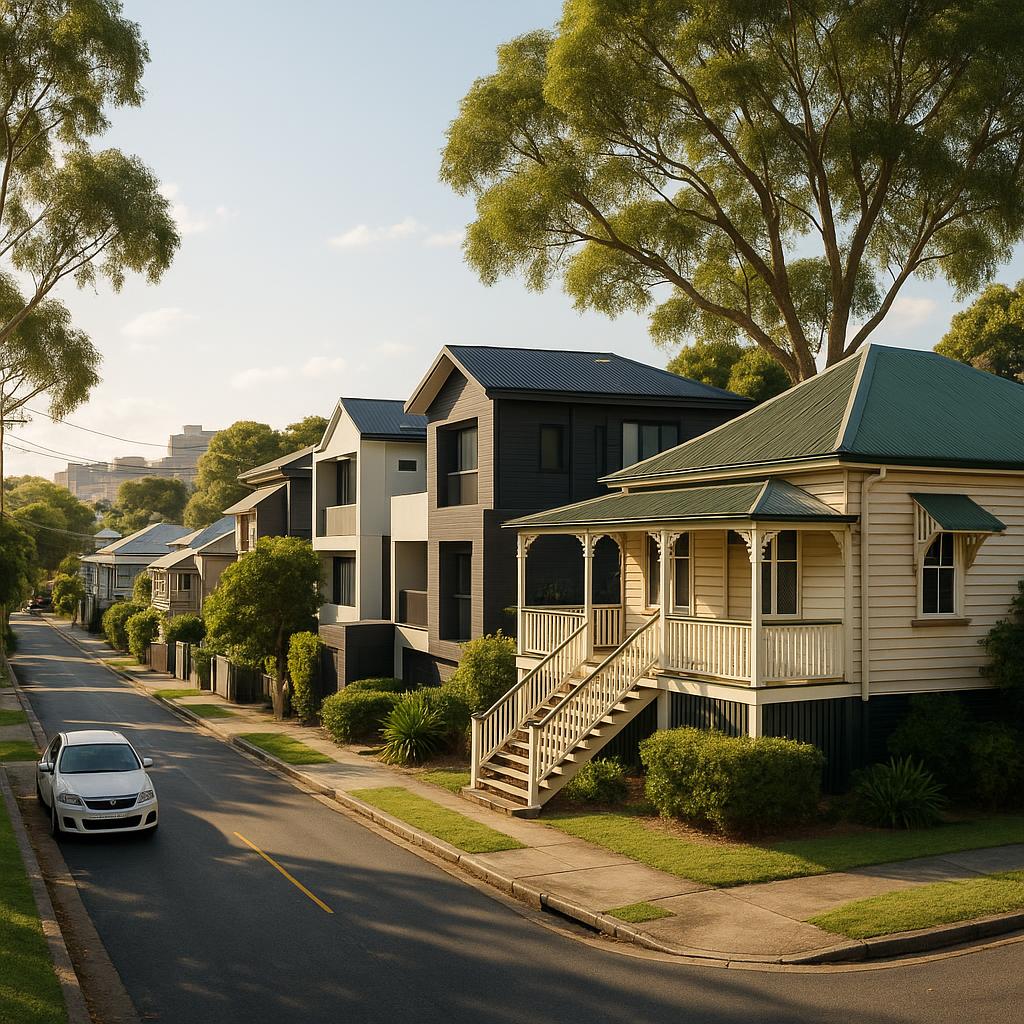
- Houses: Better for buyers wanting land component, character, or renovation potential, but expect more maintenance scrutiny and a closer look at drainage, roof condition, and renovation quality.
- Townhouses: Often the middle ground for people who want some space without full upkeep, though body corporate rules, visitor parking, and privacy should be checked carefully.
- Apartments/units: A practical entry point for investors and low-maintenance buyers, but levies, building condition, insurance history, and rental competition matter more than many buyers expect.
- Best fit by goal: Choose a house for flexibility, a townhouse for balance, or a unit for simplicity and convenience—then test that choice against the exact street and building.
Risks & Watch-Outs
- Micro-location can change the experience of living in Herston, especially where traffic, noise, or access patterns differ street by street.
- Older dwellings may carry hidden maintenance issues, so building and pest inspections should be treated as essential, not optional.
- Strata properties require closer review of levies, by-laws, sinking fund health, and special levy risk.
- Parking, privacy, and road exposure can affect both daily comfort and future resale appeal.
- Do not rely on the suburb reputation alone; the wrong building, layout, or condition profile can weaken the investment case.
Nearby Suburbs to Compare
- Kelvin Grove
- Annerley
- Coorparoo
- Spring Hill
- Newmarket
FAQ
Is Herston a good suburb for buyers?
Herston can be a strong choice for buyers who value convenience, inner-city access, and a lower-maintenance lifestyle. It is less suited to those who want a large block or a quiet suburban feel above all else, so the right fit depends on your priorities.
Is Herston a good suburb for investors?
It can be, because tenant demand is underpinned by nearby health, education, and employment precincts. The better opportunities are usually properties that are easy to lease and maintain, with a layout, location, and condition profile that suits professional and student-style demand.
What type of property is best in Herston?
There is no single best property type. Houses suit buyers wanting flexibility and land, townhouses suit those wanting a middle-ground option, and apartments suit buyers who prioritise convenience and lower upkeep. The better choice is the one that matches your strategy and risk tolerance.
What should I check before buying in Herston?
Check building condition, road noise, parking, strata documents if relevant, and current school catchments or enrolment rules. You should also review flood, zoning, and any planning overlays for the exact address, because micro-location and compliance details matter here.
How does Herston compare with nearby suburbs?
Compare Herston with Kelvin Grove, Spring Hill, and nearby inner-north alternatives based on commute time, property type mix, lifestyle feel, and maintenance expectations. The best suburb is usually the one that fits your daily routine, not the one with the strongest reputation.
Conclusion
Herston is a compact, high-convenience inner-north suburb that rewards buyers who value access, scarcity, and practicality. It can work well for investors and homeowners alike, but the right purchase depends on street-level due diligence, property type, and long-term use. Compare the exact asset, not just the postcode.
Sources & how to verify
- Check current listings and recent sales on Domain so you are not relying on outdated price impressions or vendor commentary.
- Use realestate.com.au to compare asking rents, property photos, and competing stock in Herston and nearby suburbs.
- Review suburb and dwelling data on the ABS to understand broad demographic context without assuming it applies to every street.
- Confirm planning, overlays, and local area information through Brisbane City Council before buying any property with renovation or development ambitions.
- Check school catchments and enrolment requirements via Queensland school catchment maps and confirm directly with the school if the move matters to your family.
- Inspect flood and hazard layers on Qld Globe for the exact address, because flood exposure can differ materially across a small suburb.
- Request strata records, insurance details, and meeting minutes for any unit or townhouse so you can assess levies, repairs, and by-law constraints before committing.