Quick Answer
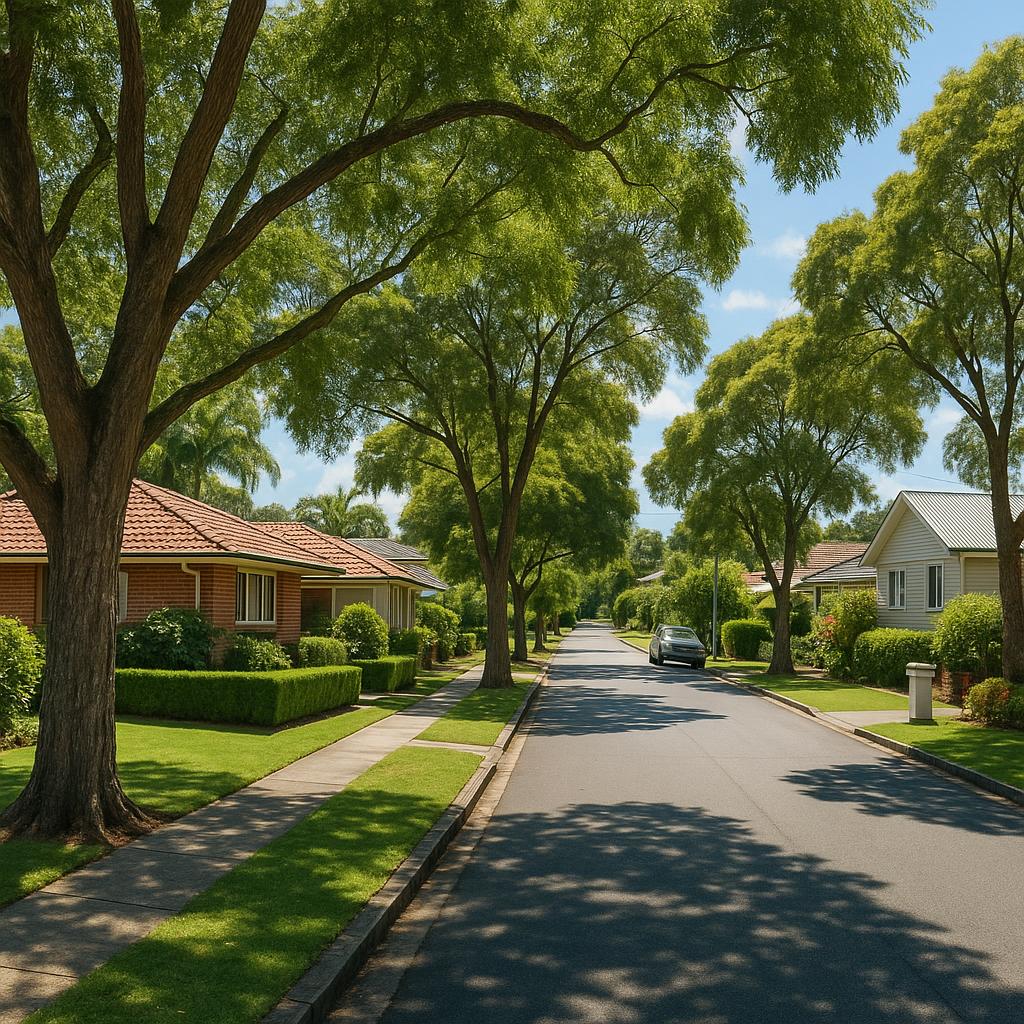
Kenmore is a leafy, established Brisbane western suburb that suits families, upsizers, downsizers, and investors who value long-term livability over hype. Its appeal comes from a practical mix of space, school access, local convenience, and a settled residential feel. For buyers, the key question is not just whether Kenmore is desirable, but which pocket, property type, and condition level best matches your daily needs and budget.
Key Takeaways
- Kenmore is usually best suited to buyers seeking a family-oriented, established suburb with strong everyday livability.
- Demand tends to favour well-kept homes on quieter streets with practical floorplans and usable outdoor space.
- Investors generally look for broad tenant appeal, low-maintenance features, and easy access to schools and roads.
- Street position matters: traffic, noise, slope, and access can materially change how a property is perceived and priced.
- Always verify school catchments, flood overlays, zoning, and current listings with up-to-date official and market sources.
Pros & Cons
Pros
- Strong family-friendly reputation with enduring owner-occupier appeal.
- Established homes and leafy streets create a stable, comfortable residential feel.
- Broad buyer interest can help support resale and rental demand over time.
Cons
- Not ideal for buyers chasing an inner-city, walk-everywhere lifestyle.
- Older homes may need renovation, maintenance, or energy-efficiency upgrades.
- Micro-location matters a lot, so some streets are noticeably less appealing than others.
Market Overview
Kenmore is best understood as a mature western Brisbane suburb with a strong family identity, established housing stock, and a reputation built around liveability rather than novelty. It tends to attract buyers who want a suburban setting with practical access to daily services, schools, and commuting routes.
That profile matters because mature suburbs often hold value through lifestyle consistency and buyer familiarity. In Kenmore, the property that suits the suburb best is usually the one that feels easy to live in: functional layout, sensible parking, usable yard, and a street that supports everyday comfort.
For investors, the key is to separate suburb reputation from property quality. A well-located house or townhouse may offer more durable demand than a larger but awkward or high-maintenance dwelling. In this market, condition and usability often matter more than cosmetic flair.
Buyer Demand
Kenmore typically draws growing families, established households upsizing, professional couples wanting suburban balance, and investors seeking steady rather than speculative demand. The strongest interest often goes to homes that solve a clear practical problem, such as more space, better school access, or lower-maintenance living.
Demand is usually shaped by a mix of school considerations, quiet streets, greenery, and access to transport corridors and local amenities. A buyer comparing Kenmore with nearby western suburbs should focus on how the property performs street by street, because a good address and a poor one can feel like different markets.
Rental Market
Kenmore tends to appeal to tenants who value stability, space, and access to family-oriented amenities. That often includes households wanting a longer stay, which is useful for investors who prefer lower turnover and a more predictable tenancy profile.
Properties with practical parking, comfortable indoor-outdoor flow, decent storage, and low-maintenance grounds usually have broader leasing appeal. In a suburb like Kenmore, a property that is easy to maintain and easy to live in is often more compelling than one with expensive features that do not improve everyday usability.
Lifestyle, Transport & Schools
Kenmore offers a leafy suburban lifestyle with a calmer day-to-day rhythm than many inner-Brisbane alternatives. That suits buyers who prioritise space, privacy, and family routine over nightlife or high-density convenience.
Transport is mainly about road access and commute practicality, so buyers should test travel times in peak periods rather than relying on off-peak impressions. If a daily drive, school run, or work commute matters to you, inspect the property when local traffic patterns are actually working against you.
Schools are a major consideration for many Kenmore buyers, but catchments and enrolment rules can change. Verify details directly with official sources and the relevant school before making assumptions about which homes are “in catchment” or how easy enrolment will be.
Kenmore Suburb Profile
Official 2021 Census snapshot for the ABS Suburbs and Localities geography.
Age profile
Housing tenure
Occupied private dwellings by tenure type.
Salary & income profile
Median total income reported in the Census.
*Annual figures are weekly median × 52 estimates, not separate ABS annual medians.
Education & qualifications
Highest educational attainment, people aged 15+.
Employment status
People aged 15+ who reported being in the labour force.
Industry of employment
Top responses among employed people aged 15 years and over.
Occupation profile
Broad occupation groups among employed residents, including managers.
Property Type Guide
- Detached houses: Usually the core of Kenmore’s appeal, especially for families wanting land, flexibility, and room to improve over time.
- Townhouses and low-maintenance homes: May suit downsizers, time-poor buyers, or investors seeking easier upkeep and broader tenant usability.
- Renovated homes: Attractive for buyers who want certainty and move-in-ready convenience, provided the renovation quality is genuinely durable.
- Original-condition homes: Can offer value-add potential, but buyers should budget carefully for hidden repairs and the real cost of updating older stock.
- What to prioritise: Parking, floorplan flow, outdoor usability, sunlight, ventilation, and street position usually matter more than cosmetic upgrades alone.
Risks & Watch-Outs
- Micro-location variation is significant, so two similar homes can have very different liveability and resale appeal.
- Traffic, noise, and access issues may affect streets near busier roads or awkward entry points.
- Older homes can hide repair or compliance costs that are easy to miss during a quick inspection.
- Some layouts look spacious on paper but do not suit modern family living once you assess flow and function.
- For investors, holding costs matter: maintenance, vacancy, and property management can erode returns if the home is not easy to lease.
Nearby Suburbs to Compare
- The Gap QLD Property Market Guide: Buyers & Investors
- Chapel Hill
- Indooroopilly
- Jindalee
- Taringa QLD Property Market Guide: Buyers & Investors
FAQ
Is Kenmore a good suburb for families?
Yes, Kenmore is commonly considered family-friendly because it offers a settled residential feel, practical access to daily services, and housing that often suits households needing more space. The key is to check the exact street, school access, and commute practicality before assuming all pockets feel the same.
Is Kenmore a good suburb for property investors?
It can be, particularly for investors who want stable tenant demand rather than a highly speculative market. Broad household appeal, established amenity, and livability-focused homes can support leasing confidence, but the property itself must still be easy to maintain and broadly attractive.
What property types are most common in Kenmore?
Detached houses are usually the most prominent and most sought after, especially among families and upsizers. Townhouses and lower-maintenance dwellings can also be relevant for downsizers or investors, but the suburb’s strongest identity remains tied to established house-and-land living.
How important are schools in Kenmore?
Very important for many buyers. School access often influences both demand and willingness to pay, but buyers should not rely on hearsay. Confirm current catchments, enrolment rules, and any changes directly with official government or school sources before committing.
What should I check before buying in Kenmore?
Focus on street position, traffic exposure, floorplan functionality, land usability, renovation quality, drainage or flood overlays where relevant, and actual commute times. A property that looks good in an inspection can still be less practical once daily routines are tested.
Conclusion
Kenmore is a lifestyle-led western Brisbane suburb with enduring appeal for families, downsizers, and investors who value stability. The best outcomes usually come from choosing the right street, the right property type, and the right level of condition for your goals. Compare carefully, verify current details, and prioritise liveability over short-term impressions.
Sources & how to verify
- Check current listings and sold history on Domain to see what similar Kenmore homes are actually achieving now.
- Use realestate.com.au to compare active listings, property types, and time-on-market indicators for comparable homes.
- Review suburb and planning information on the Brisbane City Council website to confirm local planning and service context.
- Check flood, zoning, and property mapping details via Queensland Government resources before assuming a site is low risk or development-friendly.
- Verify school catchment and enrolment details through Queensland Government school information or the relevant school’s official website.
- Confirm public transport routes and service changes through Translink rather than relying on outdated local knowledge.
- Use the Australian Bureau of Statistics for broader demographic context, but pair it with current listing data and inspections because suburb conditions change over time.