Quick Answer
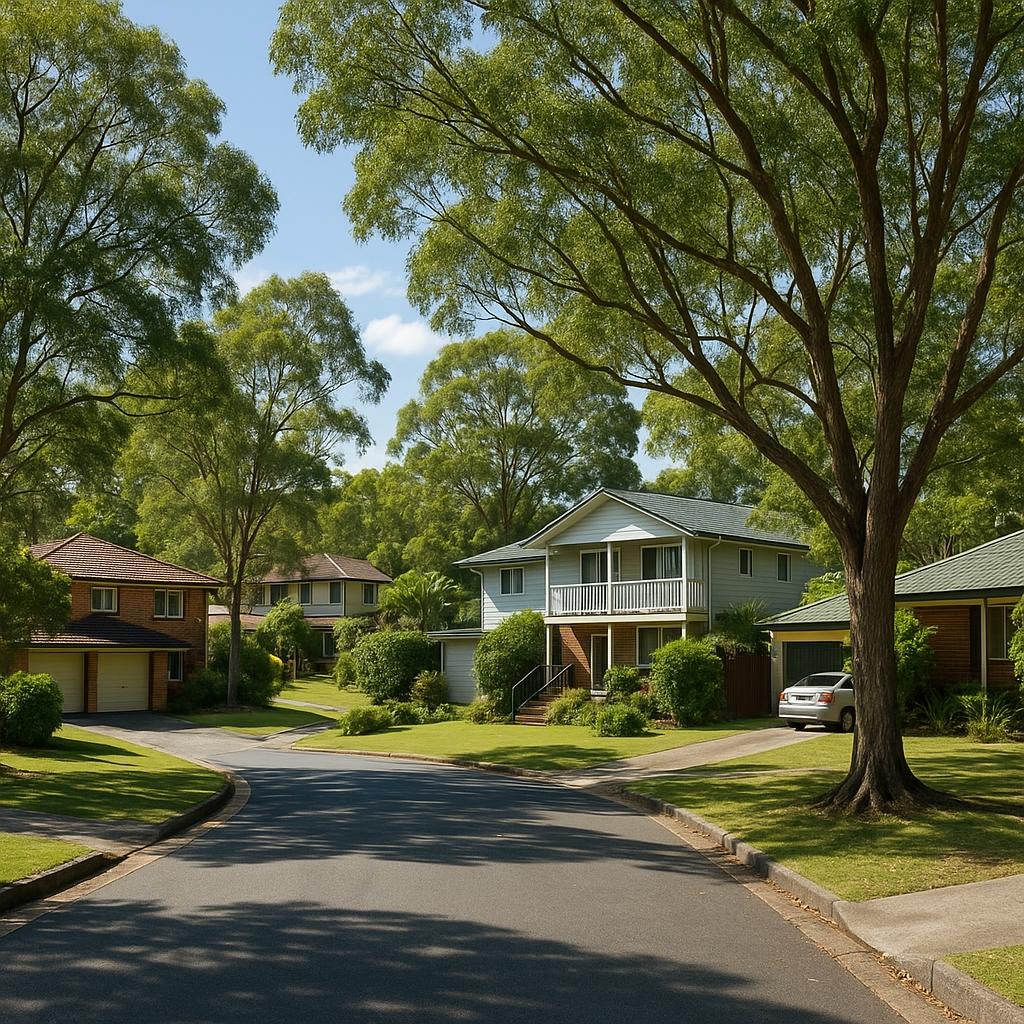
The Gap is a leafy, established Brisbane suburb that usually appeals to families, upsizers, and long-term investors who value space, greenery, and practical liveability. It tends to reward buyers who focus on land, layout, and street-by-street differences rather than chasing a quick trade. If you want a quieter suburban base with broad resale appeal, The Gap is worth close attention. The main risks are overpaying for presentation, missing maintenance issues, and underestimating slope, drainage, or access constraints.
Key Takeaways
- The Gap suits buyers chasing a stable, lifestyle-led Brisbane suburb rather than a speculative short-term market.
- Family demand is a major driver, so functional layouts, outdoor space, and easy day-to-day living matter.
- Investors should prioritise broad tenant appeal, manageable maintenance, and a sensible exit strategy.
- Street quality varies, so micro-location, drainage, traffic exposure, and elevation deserve careful checking.
- The best purchases here usually balance liveability, land value, and long-term resale confidence.
Pros & Cons
Pros
- Leafy, established suburb with strong lifestyle appeal
- Well suited to family living and longer-term ownership
- Broad buyer pool can support resale flexibility
Cons
- Premium pricing can reflect position and presentation more than underlying value
- Limited standout stock can create competition for the best homes
- Some properties may need updates, maintenance, or energy-efficiency work
Quick fit: Best for families, upsizers, and patient investors; less ideal for bargain hunters or buyers seeking high-density convenience.
Market Overview
The Gap is a Brisbane suburb known for established housing, leafy streets, and a generally owner-occupier-friendly feel. It suits buyers who want a house-and-yard lifestyle without sacrificing access to city connections and everyday amenity.
In practical terms, the market often rewards buyers who understand the difference between a well-located, well-kept home and one that merely looks attractive in listing photos. A tidy house on a functional block can be more valuable than a flash renovation on a compromised site.
For investors, the suburb’s appeal is less about fast speculation and more about durable demand. That usually means solid tenant interest, sensible resale prospects, and a buyer pool that understands the value of space, livability, and established neighbourhood character.
Buyer Demand
Core demand comes from families, upsizers, downsizers, and lifestyle buyers who want a suburban setting with enough room to live comfortably. Many are looking for practical homes rather than architecturally dramatic ones.
The strongest buyer interest usually concentrates on homes with useful floorplans, outdoor living, garaging, and easy access to parks, schools, and commuter routes. In this suburb, “easy to live in” often matters more than “newest on the market.”
Rental Market
The Gap can appeal to tenants who want a quieter residential setting with good access to services, schools, and transport connections. Family households and longer-term renters are often the most relevant tenant profiles.
For investors, the best rentals are typically clean, functional, and low-fuss to maintain. Homes with practical layouts, decent storage, air flow, and usable outdoor areas usually hold broader appeal than highly customised properties.
Lifestyle, Transport & Schools
The lifestyle here is one of the suburb’s main selling points: leafy streets, a more relaxed pace, and access to outdoor recreation. That combination helps explain why many buyers compare The Gap against other established family suburbs rather than inner-city options.
Transport suitability depends on how comfortable you are with road-based commuting and bus connections. Inspecting at peak times is important, because the real test is not just distance on a map but travel-time variability, parking practicality, and traffic pressure on school runs.
For school-focused buyers, the key is to verify current catchment boundaries and enrolment rules directly with official sources before making assumptions. School access can materially shape resale demand and rental desirability, especially for households planning to stay for several years.
The Gap (Brisbane – Qld) Suburb Profile
Official 2021 Census snapshot for the ABS Suburbs and Localities geography.
Age profile
Housing tenure
Occupied private dwellings by tenure type.
Salary & income profile
Median total income reported in the Census.
*Annual figures are weekly median × 52 estimates, not separate ABS annual medians.
Education & qualifications
Highest educational attainment, people aged 15+.
Employment status
People aged 15+ who reported being in the labour force.
Industry of employment
Top responses among employed people aged 15 years and over.
Occupation profile
Broad occupation groups among employed residents, including managers.
Property Type Guide
- Detached houses: Usually the best fit for families, upsizers, and long-term investors wanting land, flexibility, and broad appeal.
- Renovated homes: Good for buyers wanting move-in readiness, but check whether style has been prioritised over substance.
- Original or partly updated homes: Can suit renovators who want location first and are prepared for repair and upgrade costs.
- Townhouses / lower-maintenance options: Useful for downsizers or investors seeking simpler upkeep, though body corporate costs and less land matter.
Risks & Watch-Outs
- Do not assume every street behaves the same; micro-location can materially change buyer appeal and future resale strength.
- Check for slope, drainage, retaining walls, and stormwater management, especially if the block shows signs of water movement.
- Be cautious of cosmetic renovations that disguise deferred maintenance, poor workmanship, or expensive underlying issues.
- A property with a strong outlook or pretty presentation can still be poor value if access, noise, or parking is compromised.
- Always compare recent sales and rental examples on similar land and property types before deciding what a home is really worth.
Nearby Suburbs to Compare
When comparing nearby markets, look at housing stock, commute convenience, lifestyle feel, and how broad the buyer pool is rather than focusing on headline suburb reputation alone.
- Keperra QLD Property Market Guide: Buyers & Investors
- Mitchelton QLD Property Market Guide: Buyers & Investors
- Everton Park QLD Property Market Guide: Buyers & Investors
- Stafford QLD Property Market Guide: Buyers & Investors
FAQ
Is The Gap QLD a good suburb for families?
The Gap is often considered a strong family option because it combines established housing, a quieter suburban feel, and access to daily conveniences. Families usually value the space, the greenery, and the practical household layouts more than ultra-central location.
Is The Gap better for owner-occupiers or investors?
It tends to suit owner-occupiers very well, but investors can also do well if they choose properties with broad tenant appeal. The key is avoiding niche assets and focusing on low-maintenance, functional homes with strong resale flexibility.
What type of property is most in demand in The Gap?
Detached houses with useful land, workable floorplans, and good outdoor space are usually the most broadly appealing. Renovated homes can also attract attention, provided the improvements are genuine and the underlying property fundamentals are sound.
What should buyers check before purchasing in The Gap?
Inspect for slope, drainage, retaining walls, access, and any signs of hidden maintenance issues. Also verify school catchments, transport convenience, and recent comparable sales, because presentation alone does not tell you whether the property is good value.
How does The Gap compare with nearby Brisbane suburbs?
Compared with nearby suburbs, The Gap is often chosen for its established, leafy character and family-friendly feel. Other suburbs may offer newer housing, different commute trade-offs, or a more compact lifestyle, so compare the full holding-cost picture.
Conclusion
The Gap suits buyers who want a practical Brisbane lifestyle with room to live, steady demand, and broad resale appeal. For homeowners, the best outcome usually comes from buying the right street and the right floorplan. For investors, the priority is durable tenant interest, manageable maintenance, and a property that will still be easy to sell later.
Sources & How to Verify
- Check current sold results and listing activity on Domain so you are comparing live market evidence rather than stale estimates.
- Review rental listings on realestate.com.au to gauge tenant demand, property features, and current competition.
- Use the Queensland Government school catchment information to confirm current enrolment boundaries before making school-based decisions.
- Check local planning and zoning information through the Brisbane City Council website to understand overlays, approvals, and development constraints.
- Review public transport options on Translink to confirm bus routes, timetables, and commute practicality.
- Cross-check demographic and household trends on ABS if you want context on who lives in the area and how the suburb profile is changing.
- Arrange a building and pest inspection and, if possible, visit the street after rain to assess drainage, noise, and access in real conditions.