Quick Answer
Albany Creek is generally a strong lifestyle suburb first and an investment suburb second, with broad appeal to families, long-term owners, and practical investors. It suits buyers who value established streets, detached housing, and a quieter suburban feel over inner-city convenience. For investors, the best opportunities usually come from well-located houses that are easy to lease, easy to maintain, and attractive to the local family tenant pool.
Key Takeaways
- Albany Creek appeals to buyers seeking an established north Brisbane suburb with a family-oriented feel and everyday convenience.
- Owner-occupiers often drive demand, so presentation, street appeal, and usable outdoor space matter a lot.
- Investors usually do best with broad-appeal houses that are easy to maintain and easy to rent to stable households.
- Older housing stock can create value opportunities, but renovation quality and hidden maintenance need careful checking.
- Comparing nearby suburbs helps determine whether Albany Creek is the best balance of lifestyle, land, and transport access.
Pros & Cons
Pros
- Established suburban character with strong family appeal.
- Broad demand from owner-occupiers and long-term tenants.
- Practical access to daily amenities, parks, and schools.
Cons
- Quality homes can attract competitive interest, reducing negotiating room.
- Older properties may need upgrades to match modern expectations.
- Car reliance can be a drawback for some households.
Market Overview
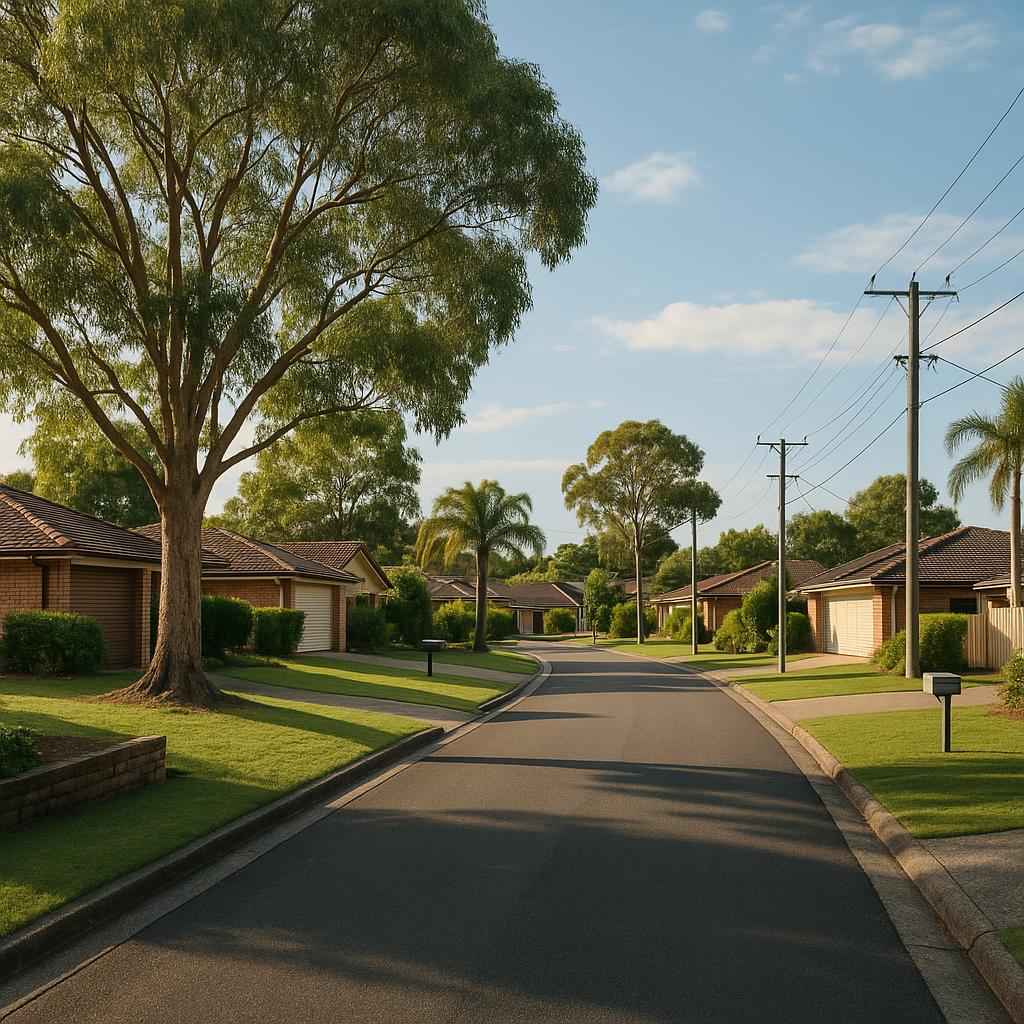
Albany Creek sits in Brisbane’s northern suburban belt and is typically assessed as a mature, residential market with a lived-in, family-friendly character. It is the kind of suburb where streets, block size, home condition, and proximity to daily needs can matter as much as the postcode itself.
The suburb’s housing mix leans toward detached homes, with some lower-maintenance options in select pockets. That gives buyers a range of entry points, but it also means the best assets are often snapped up by people who want to stay long term rather than trade quickly.
For value assessment, focus on the fundamentals: land usefulness, floorplan function, renovation quality, and how the property sits within the street. A neat home on a quiet, well-regarded street can behave very differently from a similar home facing traffic, noise, or poor drainage conditions.
Buyer Demand
Demand in Albany Creek is typically strongest from families, upgraders, and downsizers who want a practical suburban lifestyle. Investors are also drawn to the suburb when they want a tenant profile that values stability, yard space, and everyday convenience rather than inner-city density.
In this kind of market, buyers usually want functional layouts, three or four bedrooms, decent parking, and outdoor space. That means homes with awkward floorplans, expensive deferred maintenance, or weak street presence can be harder to position, even if they look acceptable online.
Rental Market
Rental demand is generally supported by households seeking a steady, low-drama place to live near schools, shops, parks, and main commuter routes. Broad-appeal houses often perform better than highly customised homes because they suit a wider pool of prospective tenants.
For investors, the practical test is simple: will the property be easy to lease, easy to maintain, and comfortable for a long-term household? Air conditioning, storage, parking, good outdoor usability, and a clean presentation often matter more than premium finishes that do not change day-to-day liveability.
Lifestyle, Transport & Schools
Albany Creek’s lifestyle appeal comes from its suburban rhythm: quieter streets, family-oriented amenities, and enough daily convenience to support long-term living. That tends to suit households that want routine, space, and a more settled environment than apartment-heavy or high-traffic locations.
Transport is usually most practical by car, particularly for households balancing work, school runs, and weekend activities. Buyers should test peak-hour travel from the exact property, because access can feel very different depending on the street, turning points, and road exposure.
Schools are a major part of the suburb’s draw, but catchments and enrolment rules should always be checked directly using current official sources. Nearby shopping, parks, and recreation options also strengthen liveability, which is one reason the suburb appeals to both owner-occupiers and long-term renters.
Albany Creek Suburb Profile
Official 2021 Census snapshot for the ABS Suburbs and Localities geography.
Age profile
Housing tenure
Occupied private dwellings by tenure type.
Salary & income profile
Median total income reported in the Census.
*Annual figures are weekly median × 52 estimates, not separate ABS annual medians.
Education & qualifications
Highest educational attainment, people aged 15+.
Employment status
People aged 15+ who reported being in the labour force.
Industry of employment
Top responses among employed people aged 15 years and over.
Occupation profile
Broad occupation groups among employed residents, including managers.
Property Type Guide
- Detached houses: Often the most versatile choice for families and investors seeking broad resale and rental appeal.
- Older homes: Can offer value and renovation upside, but need careful checks for structure, moisture, and deferred maintenance.
- Renovated homes: Attractive for buyers wanting move-in readiness, provided the improvements are functional rather than just cosmetic.
- Townhouses and lower-maintenance options: May suit downsizers or investors wanting less yard upkeep, but body corporate and privacy should be reviewed.
Risks & Watch-Outs
- Street-level differences can materially affect liveability, noise, parking, and resale strength.
- Older homes may carry hidden costs in wiring, plumbing, insulation, roofing, or drainage.
- Cosmetic upgrades can mask weak layouts or poor long-term functionality.
- Holding costs, insurance, and maintenance should be factored into any investment decision.
- Not every property in the suburb will suit the same buyer profile, so location within Albany Creek still matters.
Nearby Suburbs to Compare
- Strathpine QLD Property Market Guide: Buyers & Investors
- Petrie QLD Property Market Guide: Buyers & Investors
- Griffin QLD Property Market Guide: Buyers & Investors
- Brendale
- Eatons Hill
- Everton Hills
FAQ
Is Albany Creek good for families?
Yes, it is often a strong fit for families because it combines established housing, practical amenities, parks, and a calmer suburban feel. The best results usually come from homes with functional layouts, outdoor space, and easy access to day-to-day needs.
Is Albany Creek good for investors?
It can be, provided the property matches the local tenant profile. Investors should look for easy-to-maintain homes with broad appeal, sensible parking, good presentation, and a location that supports stable long-term leasing rather than speculative growth assumptions.
What type of property is best in Albany Creek?
Detached houses are often the safest all-round option because they suit families, owner-occupiers, and many tenants. Renovated homes can also work well, but only if the upgrades improve function, not just appearance. Older homes need extra due diligence.
What should buyers inspect carefully?
Inspect street position, traffic exposure, drainage, roof condition, layout flow, storage, and whether the yard is genuinely usable. In an established suburb, two similar houses can perform very differently depending on maintenance and micro-location.
How does Albany Creek compare with nearby suburbs?
Think of Albany Creek as a mature family suburb with strong practical appeal. Nearby suburbs may offer different trade-offs in transport convenience, housing age, land size, or maintenance burden, so compare them side by side before deciding.
Conclusion
Albany Creek is best viewed as a solid, established suburb with enduring appeal to families and practical investors. The strongest purchases are usually the ones that balance lifestyle, street position, and property quality. If you focus on function, maintenance, and long-term demand, the suburb can be a sensible place to buy or hold.
Sources & How to Verify
- Check current sold prices and active listings on Domain to understand where the market is trading right now.
- Compare current rental listings on realestate.com.au so you can test tenant expectations and property features.
- Use ABS data for background context, but avoid using it as a substitute for current sales or rental evidence.
- Confirm planning controls, overlays, and local development rules with Moreton Bay Regional Council before relying on any property assumption.
- Verify school zones, enrolment rules, and catchment boundaries directly with the relevant school or official education source rather than relying on marketing copy.
- Check transport access and commute practicality using current route and timetable information, then test the trip at the time you would actually travel.
- Obtain a building and pest inspection for older homes, because cosmetic presentation can conceal costly structural or maintenance issues.