Quick Answer
Strathpine is a practical north-Brisbane suburb for buyers and investors who want established amenity, rail access, and a wider entry point than many inner-ring locations. It tends to suit people prioritising liveability, convenience, and holding value in a suburb with everyday utility rather than prestige. The best results usually come from choosing the right street, checking flood and noise exposure, and matching the property type to the target buyer or tenant profile.
Key Takeaways
- Strathpine suits buyers who value practicality, transport access, and established services more than prestige branding.
- Demand often comes from first-home buyers, families, downsizers, and investors seeking broadly usable housing.
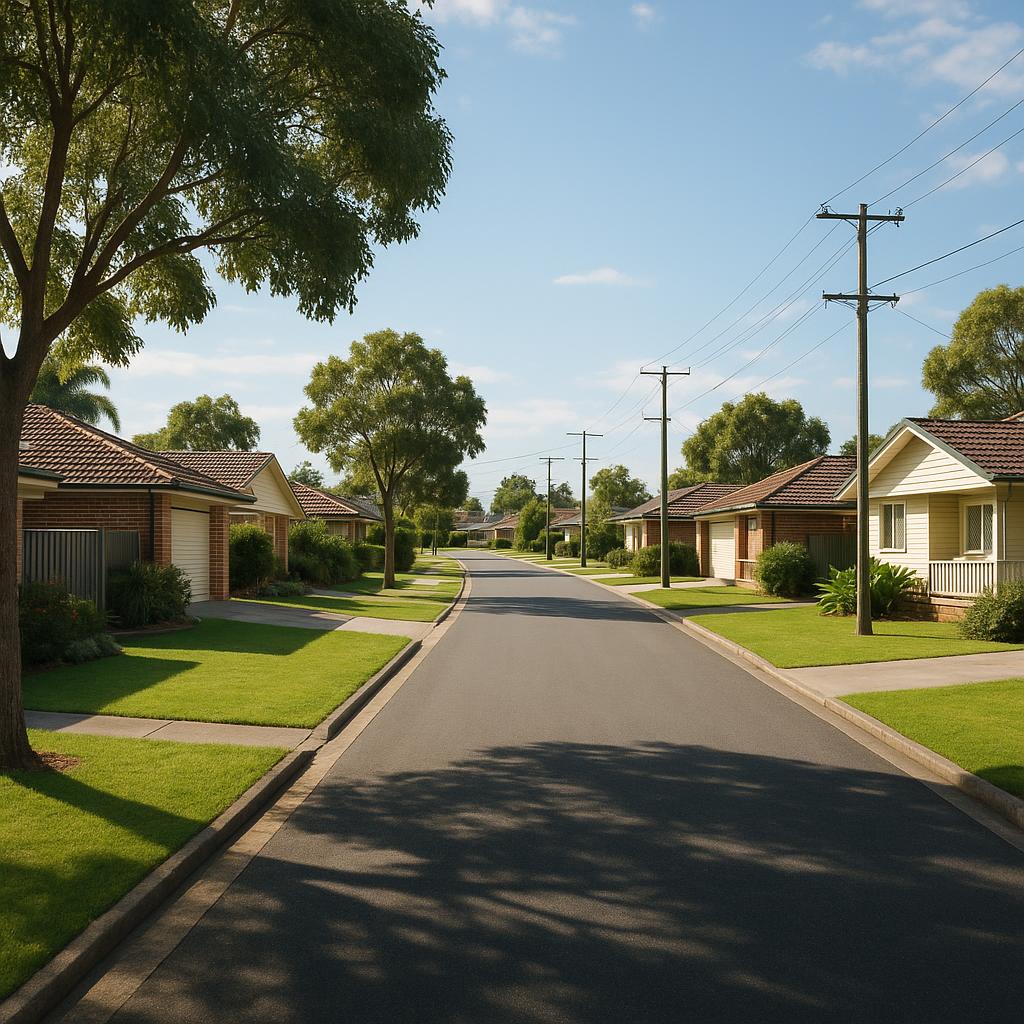
- Street quality matters heavily, because similar-looking homes can feel very different depending on traffic, noise, and amenity.
- Older houses may offer renovation upside, but buyers should budget carefully for maintenance and compliance work.
- Investors usually do best with low-maintenance dwellings that are easy to lease, easy to manage, and well located.
Pros & Cons
Pros
- venient north-Brisbane location with strong everyday utility.
- Broad appeal to owner-occupiers and tenants across multiple life stages.
- Good mix of houses, townhouses, and renovate-or-hold opportunities.
Cons
- Micro-location matters a lot, so the wrong street can undermine livability and resale appeal.
- Older housing stock can carry higher upkeep and upgrade costs.
- Noise, traffic exposure, and drainage issues may affect some pockets more than others.
Market Overview
Strathpine sits in the north Brisbane / Moreton Bay corridor and is best understood as a suburb that does the basics well. It has the kind of mature infrastructure that attracts buyers who want convenience, access to rail, shops, and services, and a housing mix that suits both households and investors.
The market is typically shaped by practical demand rather than lifestyle prestige. That means street-by-street variation is important: a tidy, well-presented home near amenity can attract strong interest, while a dated property on a noisier road may need sharper pricing or a renovation plan.
For investors and owner-occupiers, the main question is not whether Strathpine is “flashy”, but whether the property offers durable liveability and an easy resale story. In that sense, the suburb rewards disciplined selection and realistic expectations.
Buyer Demand
Buyer demand in Strathpine usually comes from people trading convenience against inner-ring pricing. First-home buyers often look for a manageable entry point, families want practical housing close to services, and downsizers may prefer convenience without moving too far from familiar northside connections.
The strongest competition often sits around move-in-ready homes, usable yards, parking, and properties that feel easy to maintain. Buyers should think about what the local market actually rewards: functional layouts, sensible renovations, and a street position that supports long-term comfort and resale confidence.
Rental Market
Strathpine generally has rental appeal because it offers the kind of everyday utility many tenants want: transport access, nearby services, and a suburb layout that supports routine living. That broad appeal can help investors, provided the property itself is presented well and is easy to maintain.
Renters usually respond to practical features more than luxury finishes. A clean, well-kept home with parking, storage, comfort features, and a sensible floor plan is likely to compete better than a larger property that feels awkward or dated. For investors, the goal is to reduce vacancy risk by matching the asset to family, commuter, or budget-conscious tenant demand.
Lifestyle, Transport & Schools
Strathpine’s lifestyle appeal is rooted in convenience. Buyers who want a suburb that supports shopping, commuting, school runs, and daily errands without constant cross-city travel will often find it easier to live here than in lower-amenity areas. That practicality can be a real advantage for households with busy routines.
Transport access is a major factor in the suburb’s value proposition. Rail and bus connectivity can expand the pool of both buyers and tenants, but the exact benefit depends on the street and walking distance to services. When assessing a property, check peak-hour conditions rather than relying on a map alone.
School access also matters, even for investors, because families commonly anchor their search around catchment convenience and commute simplicity. Rather than relying on assumptions, verify school zones, travel times, and drop-off logistics using current official sources before committing.
Strathpine Suburb Profile
Official 2021 Census snapshot for the ABS Suburbs and Localities geography.
Age profile
Housing tenure
Occupied private dwellings by tenure type.
Salary & income profile
Median total income reported in the Census.
*Annual figures are weekly median × 52 estimates, not separate ABS annual medians.
Education & qualifications
Highest educational attainment, people aged 15+.
Employment status
People aged 15+ who reported being in the labour force.
Industry of employment
Top responses among employed people aged 15 years and over.
Occupation profile
Broad occupation groups among employed residents, including managers.
Property Type Guide
- Detached houses: Often suit families and long-term owners who want land, flexibility, and renovation upside. Watch upkeep costs and yard maintenance.
- Townhouses: Can suit downsizers and investors seeking simpler ownership. Check strata costs, rules, and the level of land-based upside.
- Older homes: May offer value if the structure and location are sound. Budget for repairs, compliance, and sensible updates rather than overcapitalising.
- More modern dwellings: Usually easier to market and lease, but the premium should make sense relative to street quality and future demand.
- Best-fit strategy: First-home buyers should prioritise liveability, investors should prioritise low vacancy and low maintenance, and families should prioritise space and practical layout.
Risks & Watch-Outs
- Check flood and drainage exposure carefully, because these issues can influence insurance, finance comfort, and resale appeal.
- Do not assume every pocket feels the same; traffic, rail noise, and road exposure can change the lived experience materially.
- Older homes may hide repair costs in roofing, plumbing, wiring, or general maintenance, so build a contingency into your budget.
- A cheap asking price does not automatically mean value if the property needs significant work or sits in a weaker micro-location.
- Investors should be realistic about rent and tenant demand, then confirm current listings and comparable properties before buying.
Nearby Suburbs to Compare
- Stafford QLD Property Market Guide: Buyers & Investors
- Rochedale QLD Property Market Guide: Buyers & Investors
- Kippa-Ring QLD Property Market Guide: Buyers & Investors
- Eight Mile Plains QLD Property Market Guide: Buyers & Investors
- Lawnton
- Bald Hills
FAQ
Is Strathpine a good suburb for first-home buyers?
Yes, if the buyer wants practical access, established amenity, and a more accessible entry point than many inner-Brisbane locations. The key is choosing a property with good liveability, sensible maintenance needs, and a street that feels comfortable at the times you will actually use it.
Is Strathpine suitable for property investors?
It can be, especially for investors focused on low-maintenance homes that appeal to a broad tenant pool. The strongest investments are usually the ones that balance location, presentation, and practicality rather than chasing cosmetic features that renters may not value highly.
What property type tends to work best in Strathpine?
There is no single winner, because strategy matters. Detached homes often suit families and long-term holders, while townhouses and tidy low-maintenance dwellings can be easier to lease and manage. The best choice depends on whether you want land, simplicity, or lower upkeep.
What should I verify before buying in Strathpine?
Check flood risk, drainage, road noise, access to transport, surrounding property quality, and the cost of any needed renovations. Also confirm the current condition of the dwelling and the local planning context so you do not buy into avoidable surprises.
Why does micro-location matter so much here?
Because Strathpine is a practical suburb with mixed housing and varied street conditions. Two homes can look similar on paper but feel very different in real life depending on traffic, noise, amenity access, and how well the street is maintained.
Conclusion
Strathpine is a solid, utility-driven suburb that can work well for both buyers and investors when the property and street are chosen carefully. It is not about prestige; it is about practical liveability, transport access, and durable demand. If you focus on micro-location, condition, and tenant or owner-occupier fit, the suburb can offer sensible long-term value.
Sources & how to verify
- Check current listings, recent sales, and rental competition on Domain so you are not relying on stale market impressions.
- Use realestate.com.au to compare property types, days on market signals, and the level of buyer or tenant competition in the suburb.
- Review flood and planning overlays through Moreton Bay Regional Council before making assumptions about risk, drainage, or redevelopment potential.
- Confirm rail, bus, and travel connectivity using Translink, especially if commute convenience is part of your buying thesis.
- Verify school catchments and school types through Queensland school directory rather than relying on third-party summaries.
- Check suburb demographics and dwelling mix via ABS for a baseline understanding of household structure and housing tenure trends.
- Use Queensland Transport and Main Roads to review major corridor changes or road projects that may affect access and noise exposure.