Quick Answer
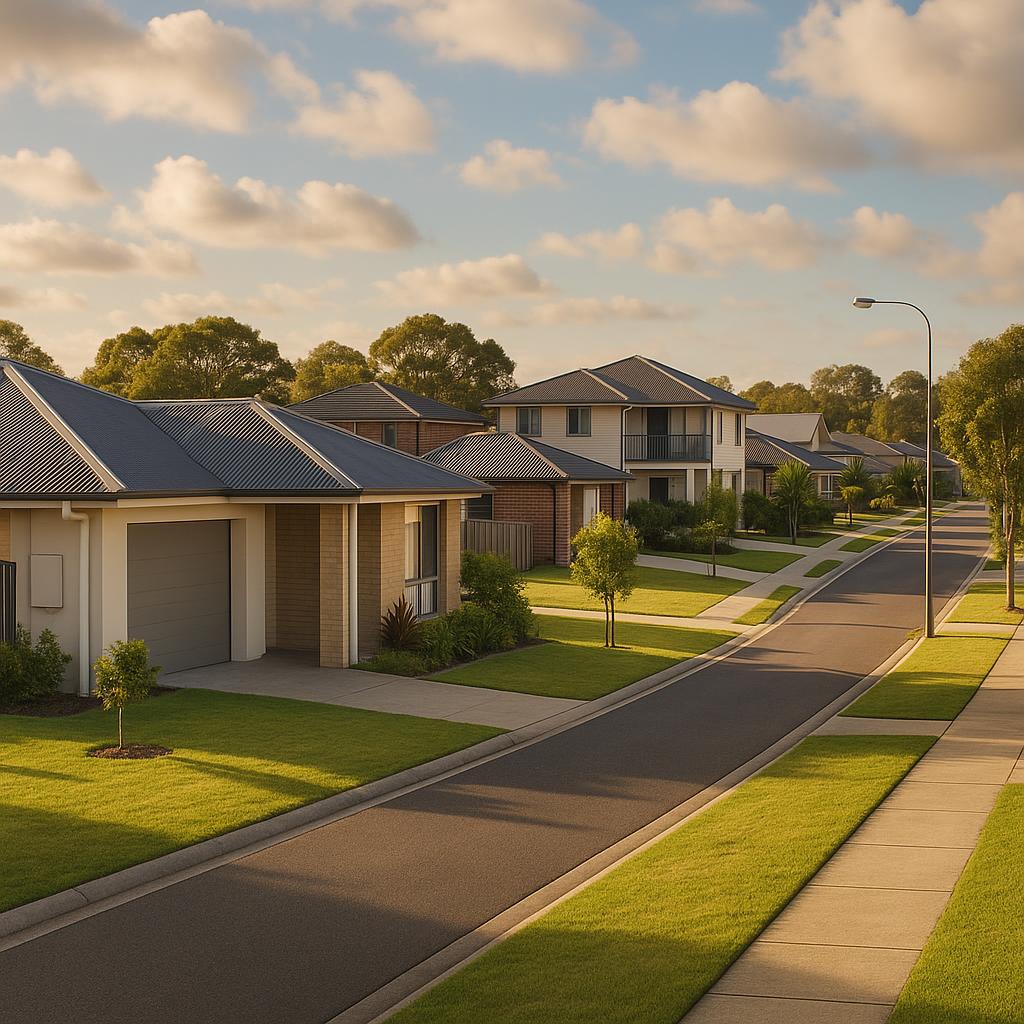
Griffin is a north Brisbane suburb that tends to suit buyers who want newer housing, family-friendly practicality, and a location that works for everyday commuting. It is often considered by first-home buyers, upsizers, and investors who prioritise low-maintenance homes with broad tenant appeal. The key is to assess the specific pocket, because street amenity, access, and estate maturity can shape liveability and resale strength more than the suburb name alone.
Key Takeaways
- Griffin generally appeals to buyers seeking modern suburban living rather than heritage character or inner-city convenience.
- Demand is typically driven by families, first-home buyers, and investors who value practical layouts and low-maintenance housing.
- The strongest purchases usually balance commute access, estate quality, land usability, and long-term resale flexibility.
- Investors should focus on tenant-friendly features such as good presentation, storage, parking, and easy care yards.
- Micro-location matters in Griffin, so compare individual streets, surrounding development, and nearby amenity before committing.
Pros & Cons
Pros
- Newer housing stock usually means practical floorplans and lower immediate maintenance.
- Family-oriented appeal can support both owner-occupier demand and tenant interest.
- Broad buyer pool suits standard houses with functional layouts and everyday convenience.
Cons
- Some pockets can feel car-dependent, especially if daily needs are not close by.
- Generic homes may compete heavily on condition and price rather than uniqueness.
- Long-term desirability can vary by estate quality, street presentation, and surrounding development.
Market Overview
Griffin sits in Brisbane’s north growth corridor and is commonly viewed as a newer, practical suburb with a strong family bias. Its market profile is shaped by residential estates, modern detached homes, and buyer demand that often values convenience over character housing.
That matters for investors and homeowners because the suburb is less about prestige and more about usability. Buyers tend to compare layouts, land usefulness, and daily access to services, while sellers benefit most when the property feels well cared for and easy to live in.
For suburb analysis, Griffin should be read street by street rather than as one uniform market. Properties closer to useful amenity, cleaner estate presentation, and straightforward commuter routes are more likely to attract broad interest than homes that feel isolated or visually ordinary.
Buyer Demand
Buyer demand in Griffin is usually strongest among households that want a modern home without the premium of inner northern Brisbane. That often includes first-home buyers, young families, and upsizers who want more functional space than older suburbs typically provide.
From an investor perspective, the attraction is that this same demand pool often overlaps with the rental market. If a property is neat, practical, and well located within the suburb, it is more likely to appeal to both future buyers and tenants, which supports resale flexibility.
Rental Market
Rental demand in Griffin is generally supported by tenants looking for low-maintenance homes, family-sized layouts, and a suburban environment that feels orderly and easy to manage. Properties with good parking, storage, and outdoor usability tend to be more competitive.
For investors, the most reliable rental strategy is usually to target homes that meet everyday needs rather than chase flashy finishes. A well-presented house with sensible design, easy care grounds, and practical access to surrounding amenities is often easier to lease and re-lease than a similar property with awkward layout or poor street appeal.
Lifestyle, Transport & Schools
Griffin offers a suburban lifestyle that suits buyers wanting a quieter, more practical base than dense inner-city living. It is the kind of suburb where families often prioritise space, routine, and day-to-day convenience over nightlife or character appeal.
Transport access matters here because many residents will commute to surrounding employment areas. Buyers should test realistic drive times and inspect how easy it is to reach major roads and public transport options at peak periods, not just on weekends or off-peak visits.
Schools and family planning also influence demand in suburbs like Griffin. Rather than relying on hearsay, confirm catchment boundaries, enrolment rules, and current attendance areas directly through official education sources before making assumptions about school access.
Griffin Suburb Profile
Official 2021 Census snapshot for the ABS Suburbs and Localities geography.
Age profile
Housing tenure
Occupied private dwellings by tenure type.
Salary & income profile
Median total income reported in the Census.
*Annual figures are weekly median × 52 estimates, not separate ABS annual medians.
Education & qualifications
Highest educational attainment, people aged 15+.
Employment status
People aged 15+ who reported being in the labour force.
Industry of employment
Top responses among employed people aged 15 years and over.
Occupation profile
Broad occupation groups among employed residents, including managers.
Property Type Guide
- Detached houses: Usually the most broadly appealing option for families, upsizers, and long-term investors.
- Modern estate homes: Often suit buyers who want low-maintenance living and easy-to-rent stock.
- Smaller lots: Can work for affordability and upkeep control, but check outdoor usability carefully.
- Four-bedroom homes: Often line up well with the main demand pool in a growth suburb.
- Renovation-ready dwellings: Can add value if the location and fundamentals are strong, but do not confuse cosmetic work with real upside.
Risks & Watch-Outs
- Micro-location risk matters, because two similar houses can perform differently depending on street quality and surrounding amenity.
- Estate dependence can affect desirability when a property relies heavily on the presentation and structure of the wider development.
- Generic-product risk is real in newer suburbs, so assess how the home stands out against competing listings.
- Car-dependence can become a problem if daily errands, work trips, or school runs feel inconvenient.
- Do not assume planned infrastructure will automatically lift your specific property, because outcomes vary by exact location.
Nearby Suburbs to Compare
- Petrie
- Strathpine
- Kippa-Ring
- Murrumba Downs
- Kallangur
- Mango Hill
FAQ
Is Griffin a good suburb for first-home buyers?
It can be, particularly for buyers who want a newer home and a practical suburban lifestyle. The strongest fit is usually an entry-level buyer who values functionality, manageable maintenance, and a location that still works for commuting and daily errands.
Is Griffin a good suburb for investors?
Yes, if the property matches tenant expectations for low-maintenance living, parking, storage, and easy access to everyday services. Investors should focus on re-letting strength and resale flexibility rather than assuming all newer homes will perform equally.
What type of property tends to suit Griffin best?
Detached houses with functional layouts usually have the widest appeal. Four-bedroom homes and well-kept estate properties often suit both families and investors, while smaller lots can work if the location and design still feel practical and usable.
How does Griffin compare with nearby suburbs?
It generally competes as a newer, family-focused option in Brisbane’s north. Nearby suburbs may offer different mixes of retail convenience, transport access, estate feel, or older housing stock, so compare the trade-off between land, amenity, and commute ease.
What should buyers inspect before making an offer?
Check the street at different times of day, nearby development, parking, noise, drainage, fencing, and how the home sits within the estate. Also confirm school catchments, transport access, and any planning changes with current official sources.
Conclusion
Griffin is best viewed as a practical north Brisbane suburb with broad appeal to families, first-home buyers, and investors seeking low-maintenance homes. The best decisions come from comparing pockets carefully and testing how each property works in real life, not just on paper. If you value usability, commute practicality, and tenant-friendly design, Griffin is worth a close look.
Sources & How to Verify
- Check current comparable listings and sold results on Domain so you are comparing Griffin against real-time market evidence rather than broad suburb commentary.
- Review active rentals and recent leasing activity on realestate.com.au to understand what tenants are actually paying attention to now.
- Use the Australian Bureau of Statistics for census-based context, but remember demographic data should be treated as background rather than a live market forecast.
- Confirm transport routes, service changes, and station or corridor planning through Translink and relevant Queensland Government transport pages before relying on commute assumptions.
- Verify school catchments and enrolment details via the Queensland school catchment map or the relevant education department source, because boundaries can change.
- Check zoning, overlays, and planning controls through Moreton Bay Regional Council so you understand whether nearby land use may affect amenity or future development.
- Review broader housing-market context on CoreLogic or similar market research platforms, but confirm any suburb-specific claim against live listings and recent sales.