Quick Answer
Warwick QLD can suit buyers who want a regional lifestyle with practical everyday access, and investors who value broad-appeal housing rather than speculative growth stories. It is generally better approached as a functional, lower-density market than a fast-turnover metro market. The strongest outcomes usually come from well-kept detached homes, sensible layouts, and pockets close to daily conveniences. If you are buying here, focus on livability, maintenance, and resale flexibility rather than chasing a headline price.
Key Takeaways
- Warwick is a regional market where buyer and tenant demand often centres on practicality, space, and established housing.
- The best property choices usually balance liveability, low maintenance, and convenience to daily services.
- Investors should prioritise broad tenant appeal, because smaller regional markets can be less forgiving of awkward layouts.
- Owner-occupiers may find value in detached homes with usable yards, parking, and functional floorplans.
- Always verify current sales, listings, and local conditions before assuming any suburb-wide market trend.
Pros & Cons
Pros
- More space and a calmer pace than many metropolitan alternatives.
- Detached housing and established streets can suit families and long-term owners.
- Practical regional living often appeals to buyers who value function over flash.
Cons
- Demand can be more exposed to local economic conditions than larger markets.
- Not every street or pocket will offer the same level of convenience or appeal.
- Older housing stock may require more maintenance than buyers first expect.
Market Overview
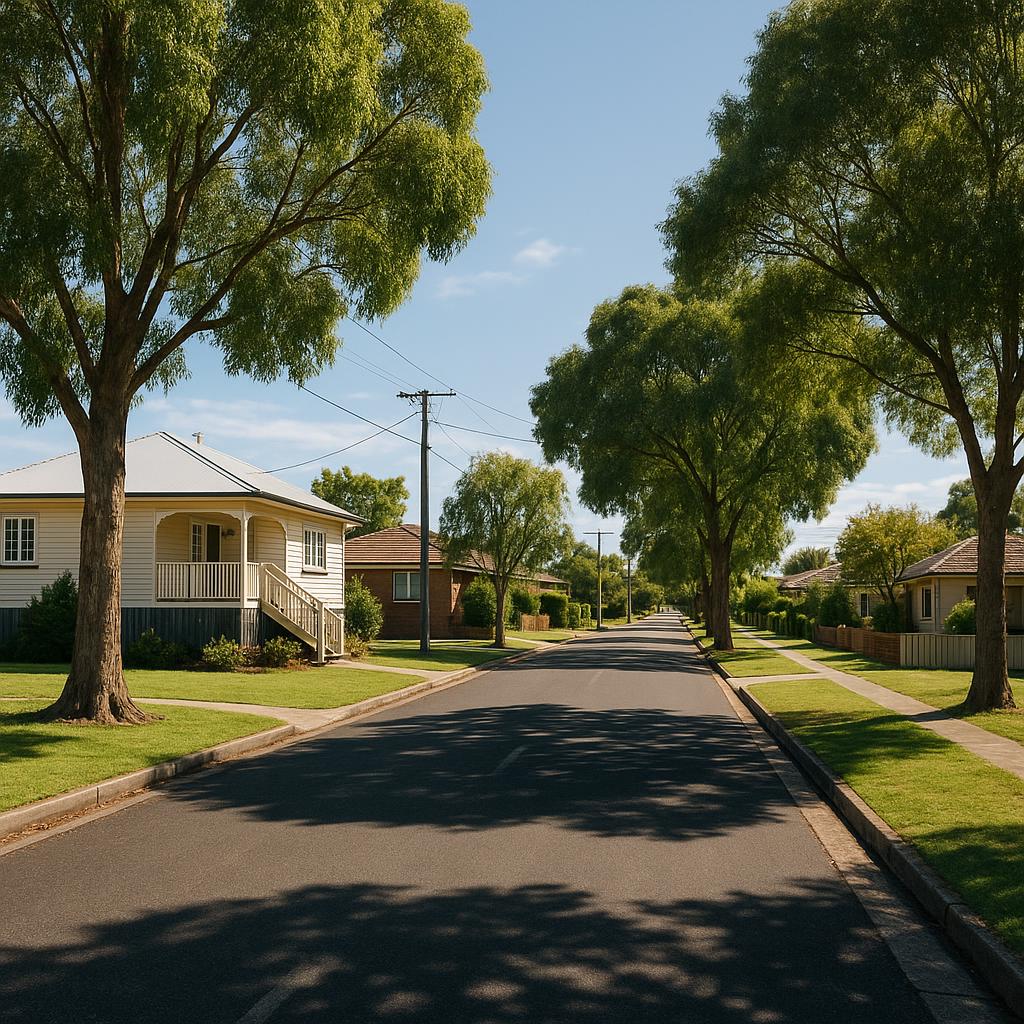
Warwick is a regional Queensland centre, so the market tends to behave more like a practical service town than a trend-driven lifestyle hot spot. In broad terms, that means buyers are often focused on usability: house type, land utility, parking, and how well the property fits daily life.
The suburb story is usually shaped by established housing, owner-occupier demand, and regional mobility rather than inner-city density or apartment-led growth. For investors, that means the best opportunities are often the properties that are easy to understand, easy to maintain, and easy to re-let.
Because Warwick is not a single uniform market, pocket-level differences matter. A home close to daily services, schools, and main roads may attract a very different response from a similar house on a busier or less convenient street. Compare each property on its own merits, not just the suburb name.
Buyer Demand
Demand in Warwick is usually strongest from first-home buyers, families, downsizers, and investors who want straightforward housing with broad appeal. The common thread is practicality: people are typically buying for everyday use, not for a niche lifestyle statement.
For owner-occupiers, the most attractive homes are often those that make routine living easy. Think usable floorplans, manageable yards, sensible parking, and enough proximity to shops and services to keep life simple.
Rental Market
Warwick’s rental market should be viewed through tenant need, not just headline affordability. Renters in regional markets commonly prioritise functionality, low upkeep, and access to work, services, and transport routes. That makes well-presented homes with durable finishes especially important.
For investors, the key is to buy a property that is easy to lease and inexpensive to maintain. A tidy house with a practical layout often performs better than a larger property that is awkward, dated, or expensive to keep in good condition.
Lifestyle, Transport & Schools
Warwick offers a regional lifestyle with a community feel and lower-density living. That suits buyers who want more room, less congestion, and a routine built around convenience rather than urban intensity.
Transport is mostly about practical road access and day-to-day drivability. In a market like this, parking, commuting ease, and straightforward access to services often matter more than walkability. If you rely on a school run or regular travel, test the route at the times you would actually use it.
School access can influence both owner-occupier and rental demand, but families should verify current catchments and enrolment rules directly before buying. A property near schools, parks, and main services can broaden the buyer pool even if the home itself is modest.
Warwick (Qld) Suburb Profile
Official 2021 Census snapshot for the ABS Suburbs and Localities geography.
Age profile
Housing tenure
Occupied private dwellings by tenure type.
Salary & income profile
Median total income reported in the Census.
*Annual figures are weekly median × 52 estimates, not separate ABS annual medians.
Education & qualifications
Highest educational attainment, people aged 15+.
Employment status
People aged 15+ who reported being in the labour force.
Industry of employment
Top responses among employed people aged 15 years and over.
Occupation profile
Broad occupation groups among employed residents, including managers.
Property Type Guide
- Detached houses: Usually the core choice for families, long-term owners, and investors seeking broad tenant appeal.
- Older established homes: Often offer land, character, and value potential, but check maintenance and upgrade needs carefully.
- Renovated homes: Useful for buyers wanting move-in readiness, although convenience usually comes at a higher entry cost.
- Investment-ready homes: Best when the layout is simple, finishes are durable, and upkeep is likely to be manageable.
Risks & Watch-Outs
- Regional demand can shift more noticeably with local employment, confidence, and supply changes.
- Older homes may conceal repair costs, especially where maintenance has been deferred.
- A large block does not always equal better value if the layout is poor or the upkeep is heavy.
- Busy roads, awkward access, or poor positioning can reduce comfort and resale appeal.
- In smaller markets, vacancy risk and overcapitalising on upgrades can hurt returns faster than expected.
Nearby Suburbs to Compare
Compare Warwick with nearby or relevant regional alternatives to understand relative value, convenience, and property mix: Gympie, Maryborough, Dalby, Emerald, Proserpine, and Dalby.
FAQ
Is Warwick QLD a good place for first-home buyers?
It can be, if you want a regional lifestyle and are comfortable trading inner-city convenience for more space and a calmer pace. First-home buyers should focus on maintenance, access to services, and whether the home suits long-term living, not just the asking price.
Is Warwick a good suburb for property investors?
Potentially yes, but only if you buy for tenant appeal and durability rather than chasing a speculative result. Investors should target homes that are simple to maintain, easy to lease, and positioned where local renters are likely to want to live.
What type of property is usually most practical in Warwick?
Detached houses generally suit the broadest mix of buyers and tenants. A well-kept home with functional indoor space, parking, and an easy-care yard is often easier to sell and lease than a property with a narrow layout or high maintenance burden.
What should I check before buying in Warwick?
Inspect the building condition, access, parking, road exposure, and the property’s position relative to your daily routine. Also verify zoning, services, and school information directly through current official sources rather than relying on old listings or general assumptions.
How do I compare Warwick with other regional towns?
Compare the housing stock, tenant depth, proximity to services, and how easy the property would be to resell. A cheaper house is not always better value if it has poor liveability, more maintenance, or a narrower buyer pool when you eventually exit.
Conclusion
Warwick suits buyers who value practicality, space, and a grounded regional market story. The strongest outcomes usually come from choosing the right property for your purpose, then checking the pocket, condition, and ongoing costs carefully. For investors and homeowners alike, the discipline is the same: buy for real-world usability, not assumptions.
Sources & How to Verify
- Check current listings and recent sales on Domain to see how homes similar to yours are actually being marketed today.
- Review active rental listings on realestate.com.au so you can compare property condition, pricing, and tenant expectations in real time.
- Use ABS data to understand broader demographic and housing trends without relying on anecdotal suburb impressions.
- Check local planning and development information on the Southern Downs Regional Council website before assuming nearby land use will stay unchanged.
- Confirm school details and catchments through the Queensland state school finder rather than third-party summaries.
- Review road and transport updates through Queensland TMR if your buying decision depends on commuting or freight access.
- Inspect the property in person and compare it with at least two similar homes nearby, because suburb-level data can hide major street-by-street differences.
- Ask your conveyancer, building inspector, or local agent to verify anything that affects value materially, especially zoning, easements, and maintenance risk.