Quick Answer
Townsville City QLD is best understood as a central, convenience-led market rather than a classic family-suburb market. It can suit buyers who value CBD access, waterfront amenity, and low-maintenance living, and it can also suit investors targeting tenant depth from professionals, healthcare, defence, and government workers. The main trade-off is that inner-city convenience often comes with strata, parking, maintenance, and noise considerations that need careful due diligence.
Key Takeaways
- Townsville City suits buyers who want a central location first and foremost, with lifestyle and commute savings built in.
- Investor appeal often comes from access to major employment, services, and a tenant pool that values convenience and flexibility.
- Property type matters more here than in outer suburbs, because apartments, townhouses, and older homes serve different goals.
- Low-maintenance stock can be attractive, but strata costs, building condition, and parking should be checked early.
- Buyers should verify flood, maintenance, and planning details by address, not rely on suburb-level assumptions.
Pros & Cons
Pros
- Central access to work, dining, services, and the waterfront makes daily living simpler.
- The suburb has broad appeal for renters who want convenience and shorter commutes.
- There is enough property diversity to suit investors, downsizers, and some owner-occupiers.
Cons
- Smaller dwellings or apartment living may not suit buyers who need space, storage, or a large yard.
- Older buildings can bring extra maintenance, compliance, or renovation costs.
- Traffic, parking, and strata rules can reduce flexibility compared with suburban housing.
Market Overview
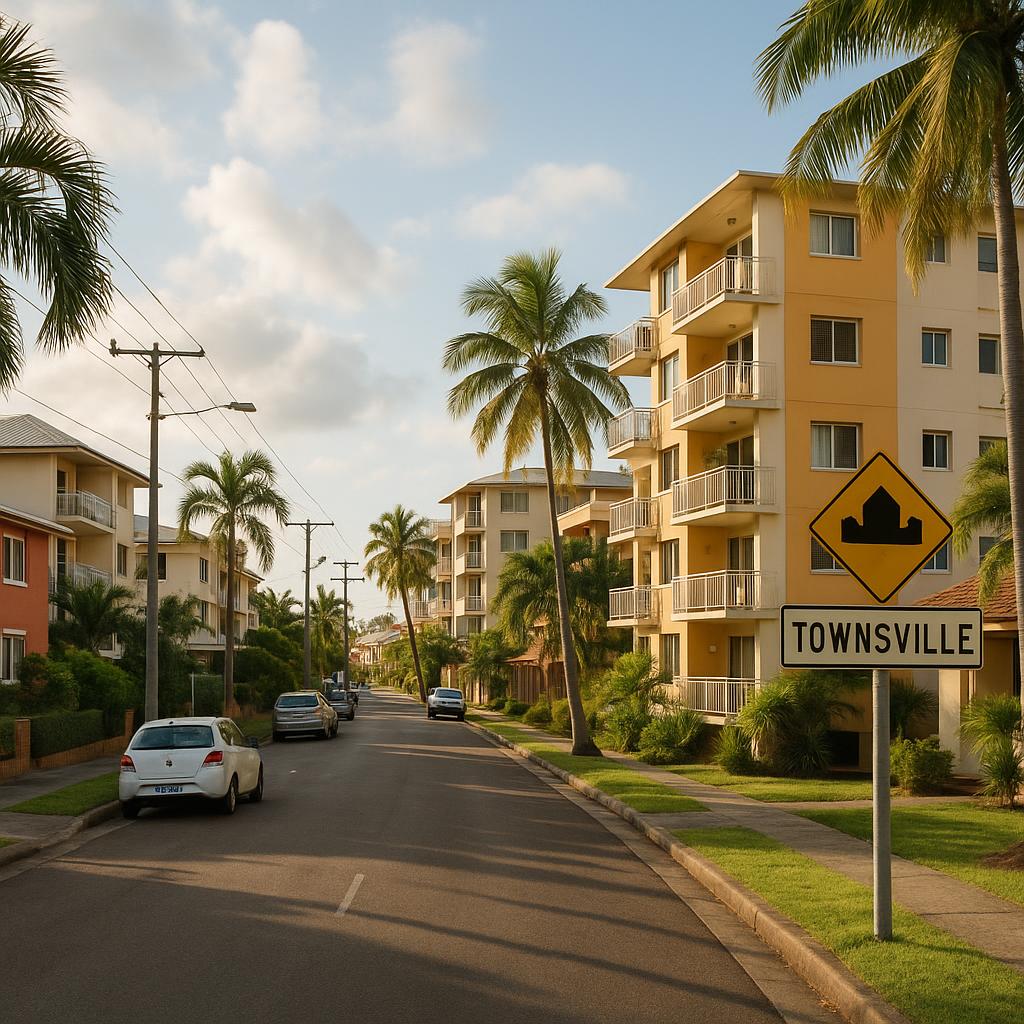
Townsville City is the inner urban core of Townsville, so its value proposition is different from outer family suburbs: you are buying access, amenity, and convenience as much as the dwelling itself. For many purchasers, that means a shorter commute, easier access to the CBD, The Strand, civic services, and employment nodes, with less emphasis on land size.
The suburb tends to reward buyers who understand the difference between a “good location” and a “good asset”. A well-located apartment or compact house can be very practical here, but the building quality, parking, and ongoing holding costs can matter more than they would in a fringe estate. In other words, the right property type often matters as much as the postcode.
For investors and owner-occupiers alike, the key question is whether centrality solves a real problem: time, convenience, maintenance, or tenant attraction. If it does, Townsville City can make strong sense. If you want a bigger block, quieter streets, or newer suburban housing stock, it is usually worth comparing nearby alternatives before committing.
Buyer Demand
Buyer demand here is typically driven by people who prioritise location efficiency over land content. That includes professionals, downsizers, and investors who want an asset that is easier to lease and broadly usable across different life stages. Demand can be more selective than in mass-market family suburbs, so presentation and property fit matter.
Practical buyers often compare apartment versus house, central convenience versus space, and low-maintenance living versus ownership flexibility. A buyer who needs secure parking, storage, and easy access may pay closer attention to those features than to cosmetic updates. That is why Townsville City rewards disciplined buying: the market is often about fit, not just appeal.
Rental Market
Townsville City can work well for tenants who value proximity to jobs, lifestyle venues, and inner-city convenience. Common renter profiles include healthcare workers, defence and government staff, young professionals, and people relocating to Townsville who want an easy landing point. For them, time saved on commuting can be as important as rent levels.
For investors, the strongest rental candidates are usually properties that are easy to maintain, easy to access, and comfortable in a warm climate. Good air-conditioning, secure parking, sensible layouts, and solid presentation often matter more than decorative features. Older properties can still lease well, but they need to be priced and maintained realistically.
Lifestyle, Transport & Schools
Townsville City offers an urban-coastal lifestyle rather than a quiet suburban one. The drawcard is walkability to cafes, dining, waterfront spaces, events, and everyday services, which suits residents who want convenience and activity close to home. That same energy can be a benefit for some buyers and a drawback for others.
Transport convenience is one of the suburb’s practical strengths. The central location makes short drives and access to major roads easier, while parking becomes a material decision factor for both buyers and tenants. In an inner-city market, parking can affect resale and leasing more than many first-time buyers expect.
Families should check school catchments and enrolment rules directly, because central suburbs can involve more nuanced school decisions than people assume. Rather than relying on broad reputation, verify the address against official catchment maps and factor in daily travel patterns. For some households, the suburb works; for others, the lifestyle is better suited to a nearby residential pocket.
Townsville City Suburb Profile
Official 2021 Census snapshot for the ABS Suburbs and Localities geography.
Age profile
Housing tenure
Occupied private dwellings by tenure type.
Salary & income profile
Median total income reported in the Census.
*Annual figures are weekly median × 52 estimates, not separate ABS annual medians.
Education & qualifications
Highest educational attainment, people aged 15+.
Employment status
People aged 15+ who reported being in the labour force.
Industry of employment
Top responses among employed people aged 15 years and over.
Occupation profile
Broad occupation groups among employed residents, including managers.
Property Type Guide
- Apartments: Often suit investors, first-home buyers, and downsizers who want low maintenance and strong location efficiency. Check strata fees, building condition, parking, storage, and pet or leasing rules.
- Townhouses: Can be a middle ground for buyers wanting more privacy and space than an apartment, but less upkeep than a detached house. Review body corporate obligations carefully.
- Detached or character homes: May suit buyers wanting individuality, renovation upside, or a more traditional ownership feel. Inspect for older maintenance issues, weather exposure, and insurance implications.
- Best-fit rule: Choose the dwelling that matches your end use, then test whether the total holding cost still makes sense.
Risks & Watch-Outs
- Older buildings may hide repair, compliance, or renovation costs that are not obvious at first inspection.
- Strata and body corporate settings can affect fees, pets, short-term use, alterations, and overall flexibility.
- Parking, noise, and traffic should be checked in person, not assumed from map proximity alone.
- Flood, drainage, and weather exposure should be verified by address, especially for lower-lying or older stock.
- Investors should avoid buying a property they like personally but that does not match the likely tenant profile.
Nearby Suburbs to Compare
- South Townsville QLD Property Market Guide: Buyers & Investors
- North Ward QLD Property Market Guide: Buyers & Investors
- West End QLD Property Market Guide: Buyers & Investors
- Belgian Gardens QLD Property Market Guide: Buyers & Investors
FAQ
Is Townsville City a good suburb for first-home buyers?
It can be, if your priority is convenience and low-maintenance living rather than land size. First-home buyers should compare total ongoing costs carefully, especially strata, parking, and upkeep, because an affordable purchase price does not always mean an affordable hold.
Is Townsville City better for investors or owner-occupiers?
It can suit both, but for different reasons. Investors may like the tenant depth and leasing convenience, while owner-occupiers may value the central location and lifestyle access. The best property type for each group is often different, so the asset must match the strategy.
What type of property is best in Townsville City?
That depends on your end goal. Apartments often suit low-maintenance buyers and investors, townhouses can offer a balance of privacy and convenience, and detached homes suit buyers who want more individuality or renovation scope. Compare holding costs before comparing headlines.
What are the main risks when buying here?
The biggest risks are building condition, strata settings, parking limitations, noise, and weather-related wear. Buyers should also check flood and drainage information by specific address, because suburb-level assumptions are not enough for an inner-city market with mixed stock.
How does Townsville City compare with nearby inner suburbs?
It is generally the most central of the nearby comparison areas, which makes it appealing for convenience-led buyers. Nearby suburbs may offer a different balance of character, waterfront access, or a more residential feel, so the right choice depends on lifestyle and property type.
Conclusion
Townsville City suits buyers and investors who want central access, convenience, and a property profile that supports low-maintenance living. It is not the right fit for everyone, but for the right buyer it can be a practical, flexible inner-city base. The smartest approach is to assess the dwelling, building quality, and holding costs before focusing on the postcode alone.
Sources & how to verify
- Check current listings on Domain to see what property types are actually being offered in Townsville City and how presentation affects asking prices.
- Review live listings on realestate.com.au to compare apartments, townhouses, and houses, then note what features are recurring in the market.
- Use the Australian Bureau of Statistics to confirm broad demographic context without relying on anecdotal assumptions about who lives in the suburb.
- Check Townsville City Council resources on Townsville City Council for planning, local area context, and any suburb-specific constraints that may affect a purchase.
- Verify flood and overlay information through Queensland Government tools or council mapping before assuming a property is free from weather-related risk.
- Confirm school catchments and enrolment requirements using the relevant Queensland education resources, because catchments can change and should be checked by address.
- Inspect strata documents, body corporate records, and building reports directly for apartments and townhouses, because fees, restrictions, and maintenance history can materially change value.
- Cross-check any market commentary with a licensed local agent or valuer, especially if you are making a purchase decision based on convenience, rental demand, or long-term holding strategy.