Quick Answer
Key Takeaways
- Linden Park appeals to buyers seeking an established eastern suburbs address with enduring owner-occupier demand.
- Demand is often strongest for well-presented homes in convenient streets with practical layouts and usable outdoor space.
- Investors should focus on tenant quality, maintenance control, and resale resilience rather than chasing headline yield.
- Older housing stock can offer opportunity, but renovation scope and ongoing upkeep need careful pricing.
- The suburb tends to reward buyers who compare street-by-street fundamentals, not just the suburb name.
Pros & Cons
Pros
- Established eastern-suburbs reputation.
- Broad appeal for families, professionals, and downsizers.
- Strong lifestyle and convenience fundamentals.
Cons
- Limited stock can make good homes competitive.
- Older dwellings may need meaningful maintenance or updating.
- Entry costs can feel high relative to outer-suburban alternatives.
Market Overview
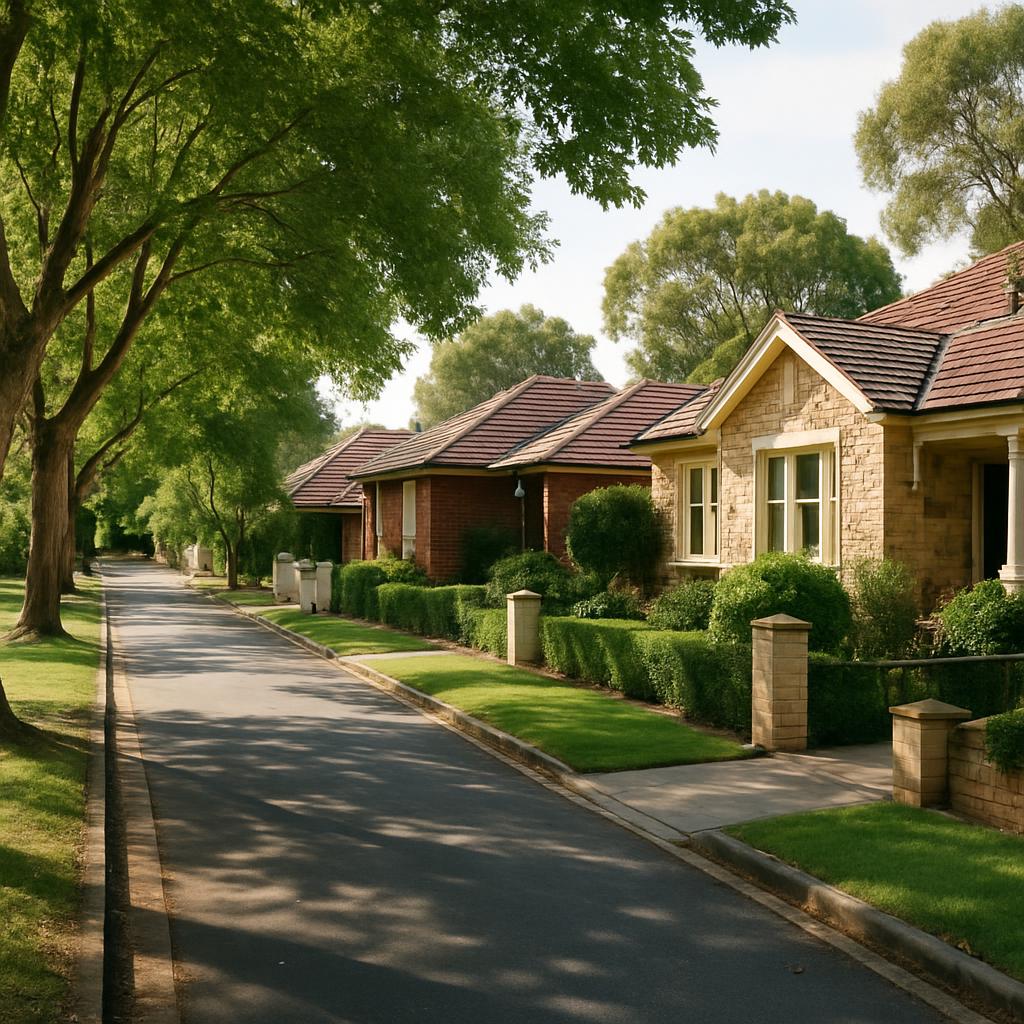
Linden Park sits in Adelaide’s established eastern suburbs, where buyer interest is usually driven by livability, convenience, and long-term capital resilience. The suburb is best read as a quality-location market: the most desirable homes tend to be tightly held, and the difference between an average property and a standout one can be substantial.
For buyers, that means condition, land use, and street position matter as much as the postcode. For investors, it means the suburb is usually better suited to stable holding strategies than aggressive cash-flow plays. In practical terms, Linden Park tends to reward careful selection rather than opportunistic buying.
Because the suburb is established, many purchases involve older homes, renovated stock, or dwellings with further update potential. That creates opportunity, but it also means buyers need to assess hidden repair costs, energy efficiency, and layout function before assuming a property is “good value”.
Buyer Demand
Demand in Linden Park is typically shaped by owner-occupiers who value a polished eastern suburbs address, access to amenity, and a comfortable daily routine. Families often look for practical floorplans, secure parking, and enough space to grow into, while downsizers may favour lower-maintenance homes that preserve location quality.
For investors, the demand story is less about a single tenant profile and more about broad appeal. Well-kept homes in convenient positions can attract professionals, couples, and small families. The strongest buying competition usually appears when a property combines move-in readiness with a sensible layout and good street presentation.
Rental Market
The rental market in Linden Park generally benefits from the suburb’s established reputation and its proximity to everyday services, schooling, and eastern corridor amenity. That can support tenant interest even when the market is softer elsewhere, especially for homes that feel easy to live in from day one.
Investors should expect tenants to favour comfort, maintenance quality, and functional features over novelty. A home with good heating and cooling, secure parking, and a practical kitchen-bathroom combination will often lease more smoothly than a larger but dated property. In this suburb, presentation and upkeep are part of the yield story.
Lifestyle, Transport & Schools
Linden Park offers a calm, established residential feel that appeals to people who want suburban convenience without a high-intensity inner-city environment. The lifestyle appeal is largely practical: nearby shops, services, parks, and familiar local amenities make day-to-day ownership easier.
Transport access matters here because it affects both commute convenience and rental attractiveness. Buyers should test the trip at the times they would normally travel, rather than relying on map estimates. Parking pressure, school-run traffic, and route choice can materially change the experience of living in the suburb.
School access is often a meaningful demand driver in eastern Adelaide, but catchments and enrolment rules can change. Always verify current zoning and eligibility through official education sources before buying. For many families, the ability to simplify the school routine is worth paying more for a well-located property.
Linden Park Suburb Profile
Official 2021 Census snapshot for the ABS Suburbs and Localities geography.
Age profile
Housing tenure
Occupied private dwellings by tenure type.
Salary & income profile
Median total income reported in the Census.
*Annual figures are weekly median × 52 estimates, not separate ABS annual medians.
Education & qualifications
Highest educational attainment, people aged 15+.
Employment status
People aged 15+ who reported being in the labour force.
Industry of employment
Top responses among employed people aged 15 years and over.
Occupation profile
Broad occupation groups among employed residents, including managers.
Property Type Guide
- Established houses: Best for buyers wanting land, flexibility, and long-term family use, but inspect for upkeep needs.
- Renovated character or updated homes: Often the most competitive stock because they reduce immediate work and suit owner-occupiers.
- Older homes with improvement potential: Can work well if the structure is sound and the renovation budget is realistic.
- Smaller dwellings or units where available: May suit investors or downsizers seeking lower maintenance and easier tenancy management.
- What to inspect: Roof condition, dampness, wiring, plumbing, insulation, storage, access, and the usability of indoor-outdoor space.
Risks & Watch-Outs
- Do not overpay for prestige alone; the right street and property quality matter more than the suburb name.
- Older housing can hide costs behind cosmetic updates, so budget for maintenance and compliance work.
- Street-by-street variation is real, with noise, traffic, orientation, and nearby activity affecting liveability and resale.
- Investors should not assume premium suburbs automatically produce strong rental yields; price and yield often move in opposite directions.
- Before signing, confirm zoning, building condition, and any relevant planning or access constraints through current sources.
Nearby Suburbs to Compare
- Dulwich SA Property Market Guide: Buyers & Investors
- Glenside SA Property Market Guide: Buyers & Investors
- Rose Park SA Property Market Guide: Buyers & Investors
- Beulah Park SA Property Market Guide: Buyers & Investors
- Unley Park SA Property Market Guide: Buyers & Investors
FAQ
Is Linden Park good for families?
Linden Park can work very well for families because it combines established streets, practical amenity, and the kind of suburban setting many households want for the long term. The key is matching the home to your routine, school needs, and maintenance tolerance.
Is Linden Park a good suburb for investors?
Yes, if your strategy values tenant quality, holding appeal, and resale depth more than high headline yield. Investors should focus on presentation, functionality, and low-friction maintenance, because those factors usually support stronger leasing outcomes in established suburbs.
What types of properties are most common in Linden Park?
The suburb is typically associated with established homes, renovated dwellings, and older properties with improvement potential. Where smaller dwellings exist, they may suit buyers wanting lower maintenance, but supply is usually more limited than in newer outer suburbs.
Is Linden Park better for buyers or investors?
It can suit both, but owner-occupiers often compete strongly because they are buying lifestyle as much as bricks and mortar. Investors can still do well, provided they underwrite for stability, not fast cash flow, and buy the right asset within the suburb.
What should I inspect before buying in Linden Park?
Check structural condition, dampness, roof, wiring, plumbing, insulation, and how the layout works for daily life. Also verify school catchments, zoning, and recent comparable sales. In a premium suburb, good due diligence prevents overpaying for a property with hidden costs.
Conclusion
Linden Park is best viewed as a quality eastern suburbs market with strong owner-occupier appeal and solid long-term holding fundamentals. The suburb tends to reward buyers who think beyond asking price and focus on street quality, renovation risk, and liveability. For investors and homeowners alike, the best outcomes usually come from disciplined property selection.
Sources & How to Verify
- Check current sold results and active listings on Domain to confirm what similar homes are actually achieving right now.
- Review comparable sales on realestate.com.au so you can compare land size, condition, and location against your target property.
- Use the Australian Bureau of Statistics to understand broader demographic context without relying on outdated suburb commentary.
- Check zoning, planning overlays, and development controls through PlanSA before assuming renovation or extension potential.
- Confirm school zones and enrolment guidance on SA Department for Education because catchments and eligibility can change.
- Review local planning and amenity updates via the City of Burnside to understand area-specific rules and community changes.
- Ask a local property manager to compare current rental asking rates, tenant demand, and vacancy behaviour before assuming a rental estimate will hold.
- Obtain a building and pest inspection for any established home, because cosmetic presentation can mask expensive repair issues in older stock.