Quick Answer
Toorak Gardens suits buyers who want an established, premium eastern Adelaide address with lasting owner-occupier appeal. It is typically stronger on lifestyle, land scarcity, and resale confidence than on headline rental yield. That makes it a better fit for families, upsizers, and downsizers than investors chasing maximum cashflow. If you are comparing it with nearby eastern suburbs, focus on street quality, home condition, and long-term holding value rather than the suburb name alone.
Key Takeaways
- Toorak Gardens is an established eastern suburb where amenity, prestige, and convenience tend to matter more than short-term speculation.
- Owner-occupiers usually drive demand, so well-presented homes can attract strong emotional buying and firmer negotiation outcomes.
- Buyers should assess street-by-street differences, block utility, and renovation quality because not every property suits the same audience.
- Investors may prefer it as a long-hold, resilience-focused asset rather than a suburb to chase high cash yield.
- Use current comparable sales, rental listings, and school-zone checks to verify value before making an offer.
Pros & Cons
Pros
- Prestigious, established eastern suburbs feel with enduring buyer appeal.
- Strong lifestyle convenience for commuting, daily needs, and access to nearby amenity.
- Mature housing stock can create renovation and value-add opportunities.
Cons
- Entry prices may be challenging for some buyers.
- Rental returns may be less compelling than in lower-cost suburbs.
- Older homes may need maintenance, upgrades, or compliance work.
Market Overview
Toorak Gardens sits in Adelaide’s well-regarded eastern residential belt, where buyers often pay for location, established streetscape, and long-term desirability. The suburb is generally more owner-occupier driven than speculative, which can help support resilience when the market is uneven.
The local housing mix is typically defined by older premium homes, renovated residences, and some lower-maintenance options. In practical terms, buyers are usually assessing land value, liveability, and renovation quality rather than chasing brand-new product. A quiet, leafy street with a well-finished home will often read very differently from a similar property on a busier road.
For investors and homeowners, the main decision is whether the suburb premium is justified by the property itself. In Toorak Gardens, the next buyer is usually just as important as the current one, so block shape, presentation, parking, and functional floor plan carry real weight.
Buyer Demand
Demand is usually underpinned by a mix of lifestyle buyers, established families, professionals, and downsizers who want eastern suburbs convenience without moving too far from the city. That buyer mix tends to favour homes that are move-in ready, low-fuss, and broadly appealing.
Renovated family homes and properties with flexible layouts often attract the strongest attention because they solve immediate household needs. Buyers should ask whether the home suits modern routines, whether the land is actually usable, and how much of the value is tied to the address versus the dwelling itself.
Rental Market
Toorak Gardens is more likely to appeal to tenants seeking quality location, comfort, and a convenient eastern suburbs lifestyle than to those chasing the lowest rent. That usually means a tenant profile made up of professionals, relocating households, couples, and small families.
For investors, the key question is not simply what rent the property might achieve, but whether it will lease easily and hold up over time with manageable maintenance costs. Updated kitchens, practical bathrooms, secure parking, and easy-care outdoor space can make a meaningful difference to tenant interest.
Lifestyle, Transport & Schools
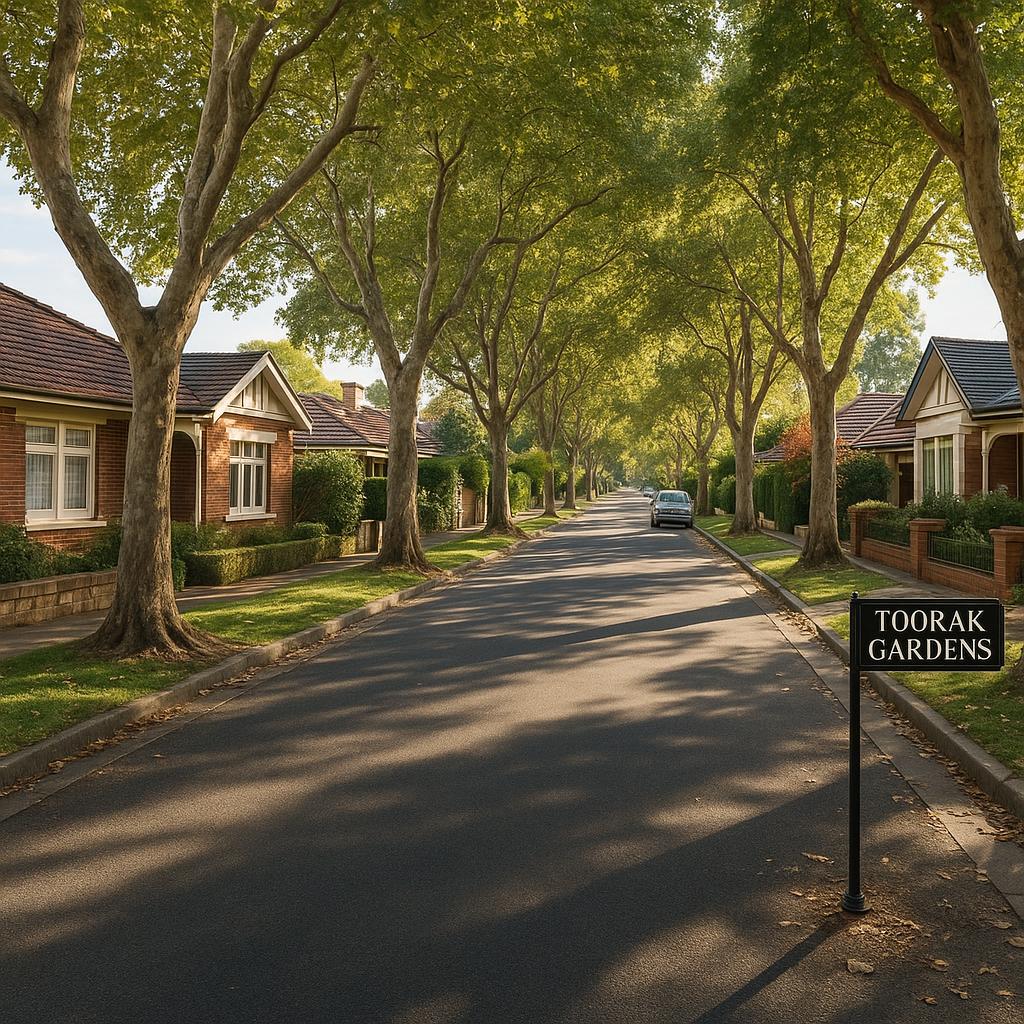
Lifestyle is a major reason buyers shortlist Toorak Gardens. The suburb’s established character, leafy streets, and proximity to eastern Adelaide amenity create a calm, premium-feeling environment that many owner-occupiers value more than the prospect of short-term uplift.
Transport convenience also matters here. Buyers who commute toward the CBD or across the inner east often favour suburbs like this because travel patterns are relatively straightforward. That said, your actual experience will still depend on the exact street, parking arrangement, and the route you use at peak times.
Families often investigate school access and zoning carefully, but those details should always be verified directly before buying. School-related demand can support strong owner-occupier interest, yet the precise catchment and intake rules can change, so never rely on marketing copy or assumptions.
Toorak Gardens Suburb Profile
Official 2021 Census snapshot for the ABS Suburbs and Localities geography.
Age profile
Housing tenure
Occupied private dwellings by tenure type.
Salary & income profile
Median total income reported in the Census.
*Annual figures are weekly median × 52 estimates, not separate ABS annual medians.
Education & qualifications
Highest educational attainment, people aged 15+.
Employment status
People aged 15+ who reported being in the labour force.
Industry of employment
Top responses among employed people aged 15 years and over.
Occupation profile
Broad occupation groups among employed residents, including managers.
Property Type Guide
- Character and period homes: Often appeal to buyers wanting charm, land, and renovation potential; check maintenance, layout efficiency, and update costs.
- Renovated family homes: Usually attract the widest buyer pool, especially when the finish matches the street and the floor plan works for modern living.
- Lower-maintenance dwellings: Can suit downsizers and professionals who want convenience, secure parking, and less ongoing upkeep.
- Investor angle: Land-rich homes may offer stronger long-hold appeal, while compact properties can be easier to lease and maintain.
Risks & Watch-Outs
- Do not overpay for prestige without comparing recent sales on similar streets and similar land size.
- Older homes can hide expensive maintenance issues, especially if past renovations were cosmetic rather than structural.
- Street appeal is not uniform across the suburb, so location within Toorak Gardens can materially affect buyer interest.
- Investors should test cash flow carefully, because a premium address does not automatically produce strong yield.
- Check planning, heritage, and renovation constraints before assuming you can extend, demolish, or reconfigure a home easily.
Nearby Suburbs to Compare
FAQ
Is Toorak Gardens a good suburb for homeowners?
Yes, if you value an established eastern Adelaide location, a polished streetscape, and access to convenience rather than new-build stock. It tends to suit buyers who plan to live in the home long term and care about future resale appeal.
Is Toorak Gardens better for investors or owner-occupiers?
It usually leans toward owner-occupiers. Investors can still do well if they buy the right property, but they should be comfortable with potentially tighter cash flow and a strategy focused on resilience, tenant quality, and long-term capital preservation.
What property types tend to work best in Toorak Gardens?
Well-kept character homes, thoughtfully renovated family homes, and lower-maintenance dwellings can all work, depending on buyer goals. The strongest results usually come from properties that balance presentation, parking, layout, and street fit.
What should I check before buying in Toorak Gardens?
Inspect the street, block shape, floor plan, and maintenance condition closely. Then verify zoning, heritage or planning constraints, school zones, and recent comparable sales so you understand what the property is really worth in current market conditions.
How do I compare Toorak Gardens with nearby suburbs?
Compare commute convenience, home type, amenity, and likely buyer demand rather than just suburb prestige. Nearby suburbs may offer different trade-offs on renovation potential, land size, walkability, or price entry, so your use case should lead the comparison.
Conclusion
Toorak Gardens is a suburb that rewards disciplined buyers who value location, established character, and long-term desirability. For homeowners, it offers a refined inner-east lifestyle with enduring appeal. For investors, it is best viewed as a quality hold where purchase price, maintenance, and tenant fit need careful scrutiny before committing.
Sources & How to Verify
- Check current sold prices and active listings on Domain so you are comparing real, current market evidence rather than relying on outdated estimates.
- Review recent comparable sales on realestate.com.au to understand what similar homes are actually achieving in the broader eastern Adelaide market.
- Confirm suburb planning controls and development rules through PlanSA before assuming you can renovate, extend, or redevelop a property easily.
- Use City of Burnside resources to check local council matters such as planning guidance, rates information, and any relevant community or infrastructure updates.
- Verify school zoning and enrolment information with Education South Australia rather than relying on sales brochures or hearsay from agents.
- Cross-check transport routes and service changes on Adelaide Metro so you know what public transport access looks like in practice from the exact address.
- Use ABS data for broad demographic context only, and treat it as background rather than a substitute for street-level property research.
- Ask a local selling agent or property manager to sanity-check rental demand, likely tenant profile, and maintenance expectations before you buy.