Quick Answer
Clarence Park suits buyers who want an established inner-southern Adelaide suburb with everyday convenience, steady appeal, and a practical long-term hold profile. It is usually strongest for owner-occupiers, downsizers, and investors who prefer resilient demand over speculative growth stories. Expect competition for well-presented homes, especially where the street, layout, and maintenance level align with modern expectations. Before buying, check the property type, parking, condition, and how the location performs at street level.
Key Takeaways
- Clarence Park offers established inner-southern convenience, which typically supports broad demand from lifestyle-driven buyers and tenants.
- The suburb tends to reward careful property selection, especially when a home is well maintained and sits in a stronger micro-location.
- Owner-occupiers often value the balance of character, practicality, and access to key services more than sheer land size.
- Investors should focus on leaseability, maintenance burden, and resale breadth rather than chasing a highly specialised dwelling.
- Use nearby comparable suburbs to judge value, because street quality and dwelling condition can matter as much as suburb boundaries.
Pros & Cons
Pros
- Inner-southern convenience keeps the suburb practical for commuting and daily routines.
- Established housing can appeal to buyers who want character without sacrificing liveability.
- Broad buyer interest can support resale confidence when the property is well presented.
Cons
- Well-kept homes may attract strong competition, which can stretch budgets quickly.
- Older housing stock may bring higher maintenance and upgrade costs.
- Not every street or property type offers the same level of appeal or convenience.
Market Overview
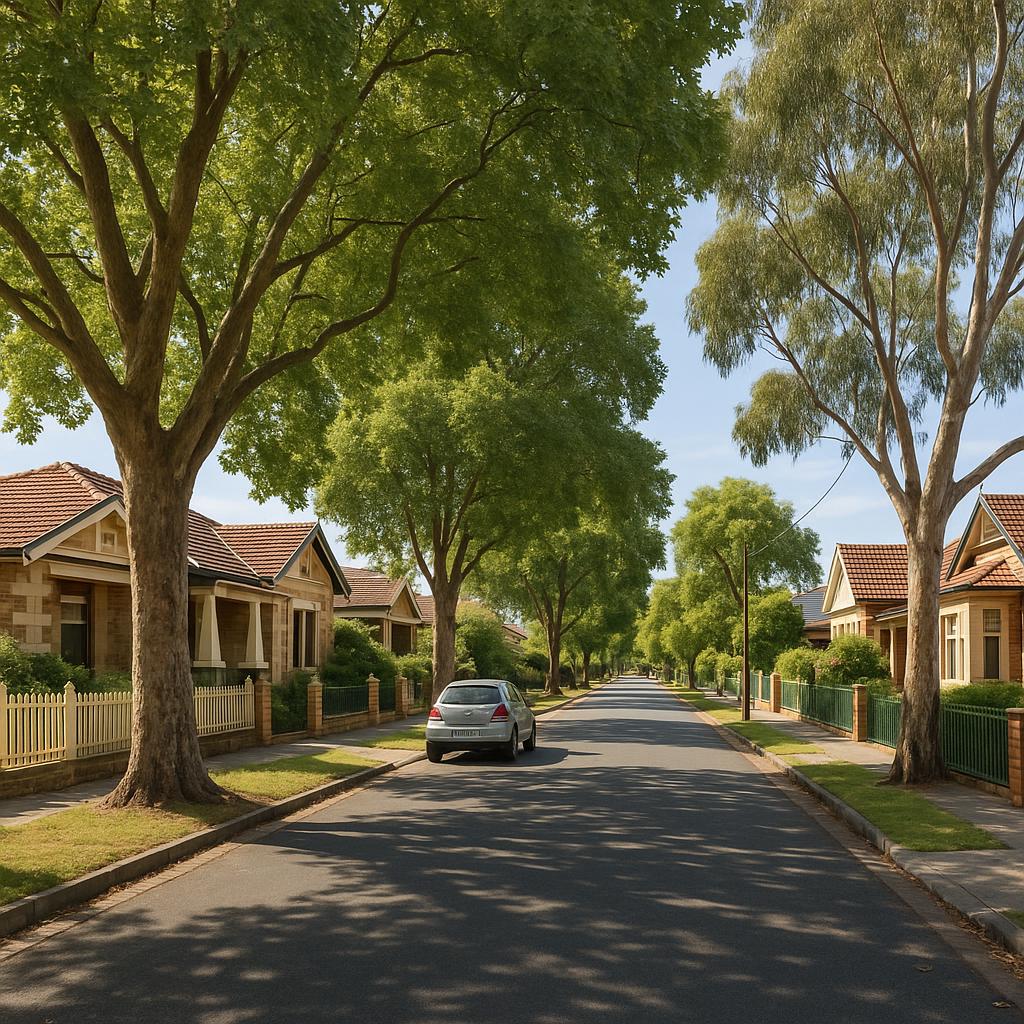
Clarence Park sits in Adelaide’s inner-southern suburban belt, where established streets, access to the city, and everyday convenience often shape buyer interest. It is best understood as a mature, lifestyle-led suburb rather than a high-turnover fringe market. That usually means buyers pay for location quality, dwelling condition, and how easily a home fits modern living.
The market typically feels balanced between owner-occupiers and investors, with strongest interest in tidy homes, practical floorplans, and properties that do not require immediate work. In mature suburbs like this, the value gap between two similar homes can come down to a better street, smarter layout, or lower maintenance burden.
For buyers, the key question is not simply whether Clarence Park is “good,” but whether the particular property offers enough convenience and resale breadth for the price. A smaller, well-kept home here may make more sense than a larger but less connected option elsewhere; a downsizer may prioritise ease of living; an investor may prefer a straightforward property with low leasing friction.
Buyer Demand
Demand is generally shaped by people who want convenience first: owner-occupiers, professionals, couples, families, and buyers trading space for location. In these suburbs, people often stretch for a home that reduces daily friction, especially if it feels settled and easy to maintain.
Competition tends to lift for properties that are move-in ready, well proportioned, and visually tidy from the street. Buyers usually respond more strongly to functional value here than to novelty, which means a practical home with good access can outperform a more complicated one with bigger apparent upside on paper.
Rental Market
The rental market is supported by the suburb’s central practicality and broad tenant appeal. Likely tenant groups include professionals, couples, small families, and people needing a convenient interim base while they buy or renovate elsewhere.
For investors, the main test is how easily a property leases and re-leases. Homes with clean finishes, efficient heating and cooling, secure parking, and manageable outdoor areas usually have the best chance of attracting consistent enquiry and lower vacancy risk.
Lifestyle, Transport & Schools
Clarence Park appeals to people who want a settled residential feel without losing access to Adelaide’s everyday amenity. That usually means nearby shopping, parks, services, and dining options matter, even if they sit just outside the suburb rather than within it.
Transport convenience is a major part of the appeal. Rail and bus access, plus practical road connections, can reduce commute stress for both owner-occupiers and tenants. Buyers should verify routes and peak-hour travel times in person, because map proximity does not always reflect real daily convenience.
Schools also influence buying behaviour, particularly for families comparing similar inner-southern options. Rather than relying on reputation alone, check current catchment details, nearby school options, and school-run logistics directly before making assumptions.
Clarence Park Suburb Profile
Official 2021 Census snapshot for the ABS Suburbs and Localities geography.
Age profile
Housing tenure
Occupied private dwellings by tenure type.
Salary & income profile
Median total income reported in the Census.
*Annual figures are weekly median × 52 estimates, not separate ABS annual medians.
Education & qualifications
Highest educational attainment, people aged 15+.
Employment status
People aged 15+ who reported being in the labour force.
Industry of employment
Top responses among employed people aged 15 years and over.
Occupation profile
Broad occupation groups among employed residents, including managers.
Property Type Guide
- Character homes: Strong charm and buyer appeal, but inspect for maintenance, comfort upgrades, and renovation scope.
- Updated family homes: Often the safest choice for broad resale and tenant demand when the layout is functional.
- Low-maintenance dwellings or units: Can suit investors and downsizers who value simplicity, easier upkeep, and leasing efficiency.
- Older homes with scope: Best for buyers who understand renovation costs and can add value without overcapitalising.
Risks & Watch-Outs
- Do not assume every street performs the same; micro-location can change buyer and tenant response quickly.
- Older homes may conceal costly repairs, so a building and pest inspection is essential before committing.
- Presentation can be misleading, and buyers may overpay if they focus on finishes rather than fundamentals.
- Poor parking, awkward layouts, or limited storage can weaken both resale and rental appeal.
- Always compare recent nearby sales and current listings, because headline asking prices can be far from reality.
Nearby Suburbs to Compare
- Unley Park SA Property Market Guide: Buyers & Investors
- Malvern SA Property Market Guide: Buyers & Investors
- Hyde Park SA Property Market Guide: Buyers & Investors
- Unley Dc SA Property Market Guide: Buyers & Investors
- Goodwood SA
- Millswood SA
FAQ
Is Clarence Park SA a good suburb for first-home buyers?
It can be, if your priority is location, convenience, and a suburb with broad long-term appeal. First-home buyers should be realistic about competition and focus on properties that are functional, well maintained, and not likely to need immediate expensive work.
Is Clarence Park a good suburb for property investors?
Yes, it can suit investors who value stable tenant demand and manageable leasing risk. The strongest opportunities are usually practical homes that appeal to a wide tenant pool, rather than highly personalised properties with limited resale flexibility.
What types of homes are common in Clarence Park?
You will generally see established detached housing, including character-style homes and updated family dwellings, plus some lower-maintenance options in the broader mix. The important point is to assess each property on floorplan, condition, and parking rather than assuming uniform quality.
Is Clarence Park better for lifestyle or investment?
It leans slightly toward lifestyle because convenience, location, and liveability are major drivers of buyer demand. That said, investors can still do well if they choose a property with broad tenant appeal and sensible maintenance demands.
What should buyers check before purchasing in Clarence Park?
Check the street, parking, floorplan, renovation scope, and maintenance history. Also confirm transport access, school boundaries, and how the home feels at different times of day, because mature suburbs often vary more from pocket to pocket than newer areas.
Conclusion
Clarence Park is a strong candidate for buyers who want established inner-southern convenience and a suburb with lasting everyday appeal. The best outcomes usually come from careful property selection, not just suburb name recognition. If you value liveability, practical access, and broad resale strength, it deserves serious consideration.
Sources & how to verify
- Check current sold results and active listings on Domain so you are comparing real market evidence rather than relying on outdated impressions.
- Use realestate.com.au to compare asking prices, property features, and rental listings across Clarence Park and nearby suburbs.
- Review transport routes and service frequency on Adelaide Metro before assuming a commute will be as easy as the map suggests.
- Confirm suburb and dwelling context through City of Marion planning and local area information if you are checking permits, zoning, or community details.
- Use South Australian Department for Education information to verify nearby schools, enrolment guidance, and any relevant catchment arrangements.
- Cross-check broader suburb characteristics with ABS if you want context on housing stock and local demographics, while remembering that current market conditions can change faster than census data.
- Ask a licensed building inspector to review the home before purchase, especially if it is older, because maintenance issues are often more expensive than buyers expect.
Internal link suggestions: Unley Park SA Property Market Guide: Buyers & Investors, Malvern SA Property Market Guide: Buyers & Investors, Hyde Park SA Property Market Guide: Buyers & Investors, Unley Dc SA Property Market Guide: Buyers & Investors