Quick Answer
Mile End South suits buyers and investors who want an inner-west Adelaide location with practical access, broad tenant appeal, and a mix of older homes, attached dwellings, and low-maintenance stock. It is less about prestige and more about convenience, flexibility, and time savings. If you value the CBD commute, everyday services, and property options that can suit owner-occupiers or renters, this suburb deserves a close look. Success here usually comes from choosing the right street, the right condition, and the right property type.
Key Takeaways
- Inner-west positioning is the main draw, with convenience often outweighing the appeal of larger blocks.
- Demand can come from several buyer groups, which helps the suburb stay relevant across different market cycles.
- Property choice matters: older homes offer character, while units and attached homes often suit low-maintenance living.
- Location quality varies street by street, so micro-location should drive your comparison process.
- For investors, tenant appeal usually comes from transport access, convenience, and easy-to-manage dwellings.
Pros & Cons
Pros
- Close-in location with straightforward access to the Adelaide CBD
- Strong everyday convenience for work, errands, and commuting
- Broad appeal to both owner-occupiers and renters
Cons
- Traffic and commercial activity can affect some pockets more than others
- Older homes may need upgrades, repairs, or layout improvements
- Well-presented stock can attract stronger competition from multiple buyer types
Market Overview
Mile End South sits in Adelaide’s inner west and is best understood as a convenience-led suburb rather than a lifestyle-showpiece location. Its appeal comes from being close to the city, near major road connections, and surrounded by practical everyday amenity.
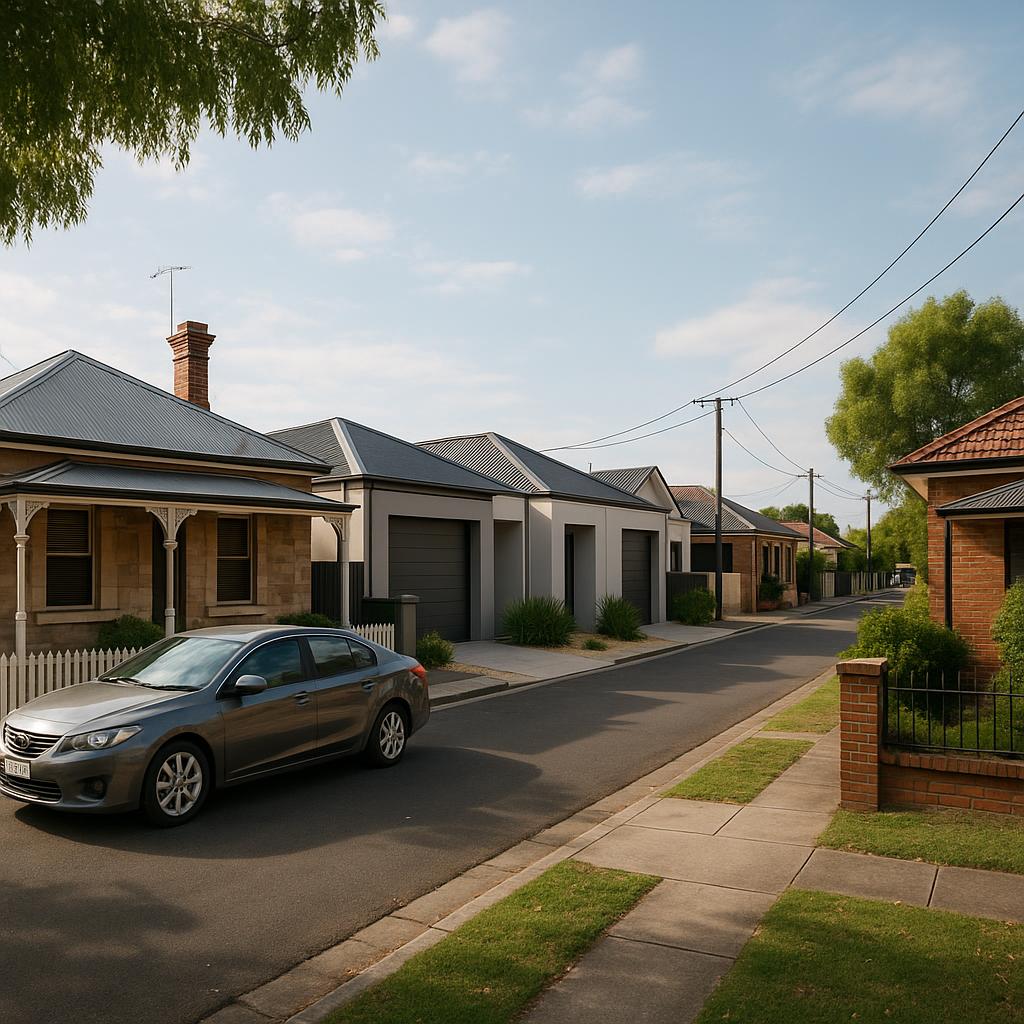
The housing mix is part of the story. Buyers may encounter older character-style dwellings, semi-detached homes, units, and other lower-maintenance options. That variety means the market does not behave like a single stock type suburb; the best buy is often the one that fits your holding period, maintenance appetite, and intended use.
For homeowners, the suburb can work well if you want a shorter commute and a more efficient daily routine. For investors, the location can help broaden tenant interest, but the exact street, noise exposure, and property presentation will matter heavily when you compare listings.
Buyer Demand
Demand in Mile End South is typically driven by people who value time savings and access. That includes first-home buyers wanting an inner-west entry point, owner-occupiers seeking convenience, investors chasing tenant-friendly positioning, and downsizers who want lower-maintenance living without moving too far from the city.
The strongest enquiry usually goes to properties that are easy to live in from day one. Updated interiors, sensible floor plans, parking where relevant, and quieter street positions can all widen the buyer pool. In a suburb like this, presentation and practicality often influence demand as much as land size or façade appeal.
Rental Market
Mile End South can be attractive to tenants who want proximity to the CBD, public transport access, and a simple daily routine. Likely tenant groups include professionals, couples, and small households looking for a location that reduces commute friction.
For investors, the key is to keep the product easy to maintain and easy to lease. Functional layouts, neutral finishes, and useful features such as storage or parking tend to support tenant interest. Older dwellings can still perform well, but only if they are maintained and presented in a way that matches contemporary expectations.
Lifestyle, Transport & Schools
Lifestyle in Mile End South is practical and urban. It suits people who want access to the city and surrounding amenities without living in a high-energy retail or nightlife strip. That makes it appealing to buyers who want a workable base rather than a statement address.
Transport access is a core part of the suburb’s value proposition. Buyers should assess bus connectivity, road access to the CBD, and peak-hour travel patterns before committing. If you are buying to live in, test the route you will actually use. If you are investing, transport convenience can materially widen the tenant pool.
School research should be done at address level rather than suburb level. Families need to confirm zoning, enrolment rules, and whether the exact property sits in the catchment they need. Use official sources and verify any assumptions before you rely on them in a purchase decision.
Mile End South Suburb Profile
Official 2021 Census snapshot for the ABS Suburbs and Localities geography.
Age profile
Housing tenure
Occupied private dwellings by tenure type.
Salary & income profile
Median total income reported in the Census.
*Annual figures are weekly median × 52 estimates, not separate ABS annual medians.
School completion
Highest year of school completed. Detailed tertiary data was unavailable from QuickStats.
Employment status
People aged 15+ who reported being in the labour force.
Property Type Guide
- Character homes: Strong street appeal and renovation potential, but they may need upgrades and ongoing maintenance.
- Semi-detached or attached homes: A practical middle ground for buyers wanting convenience with less upkeep than a large detached dwelling.
- Units and apartments: Often suited to first-home buyers and investors who prioritise lower maintenance and simpler living.
- Updated homes: Good for buyers who want immediate usability and fewer near-term projects, though pricing may reflect the renovation premium.
Risks & Watch-Outs
- Micro-location matters because traffic, commercial edges, and through movement can change the feel of a street quickly.
- Older properties may hide repair costs in areas such as wiring, plumbing, drainage, roofing, or insulation.
- Renovation budgets can grow fast if cosmetic updates uncover structural or compliance issues.
- Units and attached dwellings need careful strata or shared-title review, including levies and maintenance obligations.
- Do not assume suburb-wide performance; assess each property based on condition, layout, and how it will be used.
Nearby Suburbs to Compare
FAQ
Is Mile End South good for first-home buyers?
It can be, especially if you want inner-west access without chasing a larger family home. First-home buyers should focus on commute needs, upkeep costs, and whether the property type suits their budget and lifestyle. A unit or attached home may provide a more practical entry point.
Is Mile End South a good suburb for investors?
It can suit investors who want broad tenant appeal and a location that is easy to explain to renters. The key is to buy the right asset. Low-maintenance properties, functional layouts, and good transport access are usually more defensible than relying on suburb name alone.
What types of homes are common in Mile End South?
Expect a mix rather than one dominant housing style. Older homes, semi-detached dwellings, units, and some updated properties may all appear. That variety is helpful, but it also means buyers should compare like-for-like where possible, especially on condition and street position.
Is Mile End South family-friendly?
It can work for families who prioritise convenience and city access, but the fit depends on the exact home and street. Families should check school options, noise exposure, parking, and whether the dwelling offers enough internal space and practical storage for daily life.
What should buyers inspect most carefully?
Focus on location quality, noise, building condition, and whether the floor plan genuinely suits your needs. In older stock, get a proper building inspection and budget for maintenance. In attached dwellings, review shared-title arrangements and ongoing costs before you commit.
Conclusion
Mile End South is a practical inner-west suburb that can work well for buyers who value access, flexibility, and everyday convenience. The best outcomes usually come from matching the right property type to your goal, then checking the exact street, condition, and ongoing maintenance burden before buying.
Sources & How to Verify
- Check current sold results and active listings on Domain so you are comparing the latest market evidence, not stale asking prices.
- Use realestate.com.au to review listing depth, property features, and how long similar homes appear to stay on the market.
- Confirm zoning and planning controls with City of West Torrens before assuming a site can be renovated or redeveloped as you expect.
- Check suburb and dwelling-level demographic context through the ABS if you want to understand who lives nearby and how that may affect demand.
- Verify school zones and enrolment rules directly through SA Government education resources because catchments can change and addresses matter.
- Review route options and service frequency on Adelaide Metro so you can test the commute pattern you will actually rely on.
- Use South Australian Government resources to cross-check broader housing, planning, and consumer information before making decisions.