Quick Answer
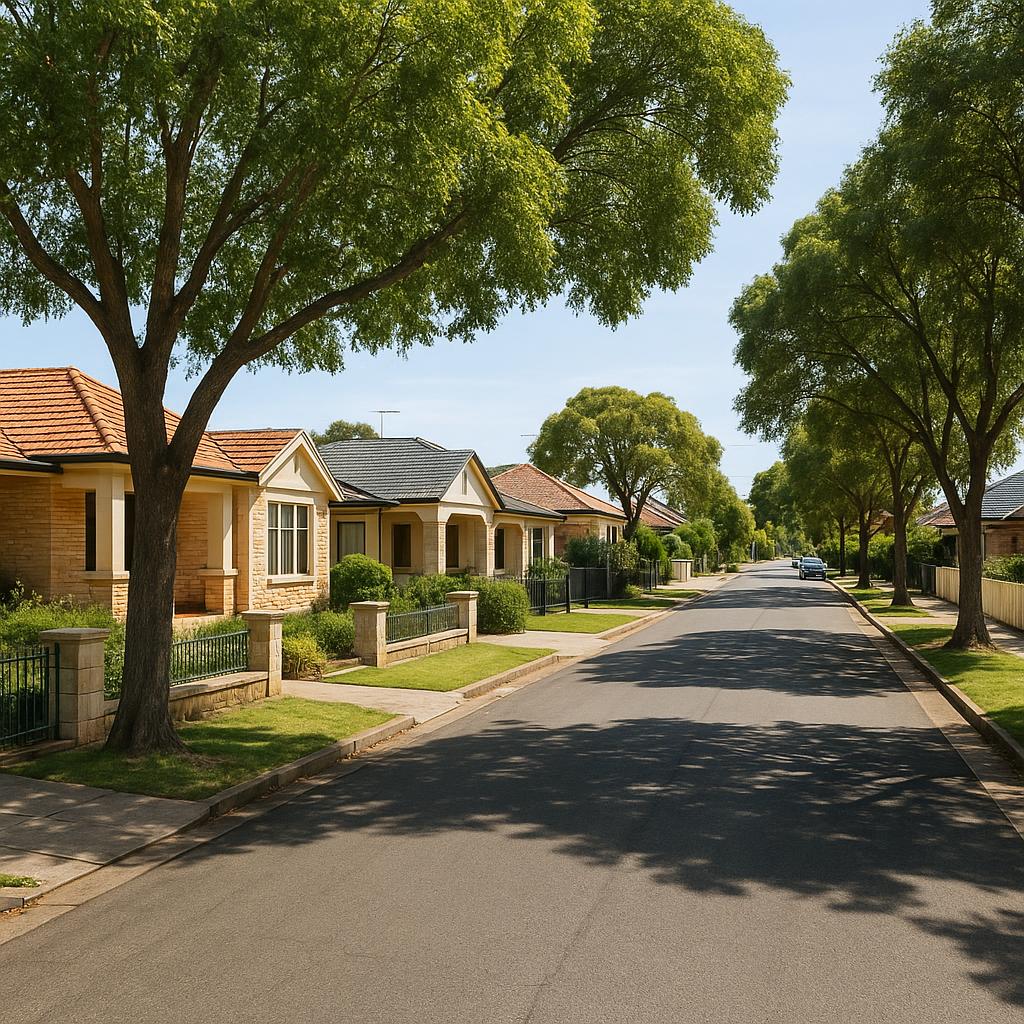
Enfield SA is a practical middle-ring Adelaide suburb that often suits buyers who want convenience, established housing, and a location-led rather than prestige-led purchase. It can work well for owner-occupiers, first-home buyers, and investors, but only if you inspect street by street because housing style, land size, and presentation vary noticeably. The best opportunities tend to come from good fundamentals: usable layout, solid maintenance, and a position that avoids obvious traffic or amenity drawbacks.
Key Takeaways
- Enfield sits in Adelaide’s inner-to-middle northern ring, giving it practical access for commuting, schooling, and everyday errands.
- The suburb contains a mix of older homes, updated dwellings, and some infill-style stock, so property selection matters more than the suburb label.
- Buyer demand usually comes from owner-occupiers and investors, which can support resale flexibility and leasing depth.
- Rental appeal is driven by convenience, livability, and transport access rather than lifestyle prestige or premium branding.
- Strong purchases usually combine a good street, sensible land use, and a property that needs manageable rather than major work.
Pros & Cons
Pros
- venient position for city access and daily commuting
- Broad appeal across first-home buyers, families, and investors
- Established housing stock with renovation and value-add potential
Cons
- Street-by-street variation can be significant
- Some homes may need substantial updating or maintenance
- Busy-road exposure can affect quiet enjoyment and buyer appeal
Market Overview
Enfield is best understood as a practical Adelaide suburb with a location advantage. It appeals to buyers who want established residential streets, reasonable access to the city, and a housing mix that includes older homes, renovated stock, and some newer development pockets. That combination makes it useful for both owner-occupiers and investors, but the exact property matters more than the suburb name.
The market is shaped by everyday usability: commuting convenience, broad housing choice, and the ability to find homes with either move-in comfort or improvement upside. A neat home on a quieter street may attract a very different buyer than a similar property exposed to heavier traffic. That is why Enfield should be researched as a series of micro-markets, not as one uniform area.
For buyers, the key question is whether the property offers a sensible balance of liveability, land value, and future flexibility. For investors, the focus should be on low-friction tenancy appeal and maintenance risk, not just headline location. A well-chosen Enfield property can be a solid long-term hold because it serves more than one buyer segment.
Buyer Demand
Demand in Enfield is usually driven by owner-occupiers wanting more value than premium inner suburbs, first-home buyers trying to enter a connected location, and investors seeking a practical rental market. Upsizers and downsizers also feature because the suburb offers established housing options rather than one narrow product type.
What attracts buyers is not a single standout feature, but several sensible ones adding up: commute convenience, accessible housing, and the possibility of buying a liveable home without stretching into highly competitive prestige territory. In practice, well-presented homes with functional layouts and manageable maintenance tend to draw stronger attention.
Rental Market
Enfield’s rental appeal usually comes from practicality. Tenants often value the ability to reach work, services, and daily necessities without paying inner-city rents, while still having access to detached homes or low-rise housing. That can make the suburb attractive to young professionals, couples, and small families.
For investors, the strongest rental properties are typically those that feel easy to live in: good presentation, comfortable heating and cooling, usable outdoor space, and off-street parking where available. A property with broad appeal is usually easier to lease and re-lease than one that relies on a niche tenant profile.
Lifestyle, Transport & Schools
Enfield offers a straightforward suburban lifestyle rather than a high-profile lifestyle precinct. That suits buyers who want a settled residential feel, access to services, and a home base that works for day-to-day life. It is often the sort of suburb people choose because it makes routine living easier, not because it is flashy.
Transport convenience is part of the appeal, especially for people who commute into Adelaide or need access to major routes. The trade-off is that some streets may feel busier or less private than quieter pockets elsewhere. If you are sensitive to traffic or noise, the exact street position matters as much as the postcode.
Families usually look beyond the suburb name and assess school access, childcare options, and practical routines. Do not rely on assumptions about catchments or enrolment eligibility; verify those directly before making a decision. School proximity can influence demand, but family buyers also care about safety, parking, and ease of daily movement.
Enfield (SA) Suburb Profile
Official 2021 Census snapshot for the ABS Suburbs and Localities geography.
Age profile
Housing tenure
Occupied private dwellings by tenure type.
Salary & income profile
Median total income reported in the Census.
*Annual figures are weekly median × 52 estimates, not separate ABS annual medians.
Education & qualifications
Highest educational attainment, people aged 15+.
Employment status
People aged 15+ who reported being in the labour force.
Industry of employment
Top responses among employed people aged 15 years and over.
Occupation profile
Broad occupation groups among employed residents, including managers.
Property Type Guide
- Older detached homes: Common in established parts of the suburb; check structure, maintenance history, and whether the layout still suits modern living.
- Updated family homes: Attractive for buyers who want move-in comfort; assess renovation quality, not just fresh finishes.
- Infill or smaller maintenance-friendly stock: Can suit downsizers and investors, but check privacy, parking, and practical storage.
- Value-add opportunities: Best when the home has solid bones, a usable block, and clear scope for improvement without overcapitalising.
Risks & Watch-Outs
- Do not treat Enfield as one uniform market; nearby streets can differ sharply in noise, traffic, and buyer appeal.
- Busy-road exposure can reduce comfort, affect parking ease, and narrow the resale or tenancy pool.
- Older homes may hide maintenance costs in plumbing, electrical, insulation, or moisture issues.
- Cosmetic renovations can look appealing but still leave layout, storage, or functionality problems unresolved.
- Always test a property against your end use, because a good investor buy is not always the same as a good family home.
Nearby Suburbs to Compare
Enfield is best compared with nearby suburbs that share either housing style or buyer profile. Good comparison points include Collinswood SA Property Market Guide: Buyers & Investors, Walkerville SA Property Market Guide: Buyers & Investors, Clearview, Kilburn, Blair Athol, and Prospect.
FAQ
Is Enfield SA a good suburb to buy in?
It can be a solid choice if you want practicality, accessible housing, and a location that supports both owner-occupier and investor demand. The key is choosing the right street and property type, because suburb-level averages do not tell the full story.
Is Enfield good for investors?
Yes, provided you focus on properties with broad tenant appeal and manageable maintenance. Investors usually do best here when they prioritise functionality, presentation, and low-friction leasing rather than trying to chase a speculative story.
What types of homes are most common in Enfield?
You will generally see a mix of older detached homes, renovated dwellings, and some newer or infill-style properties in select pockets. That variety is useful, but it also means you need to compare apples with apples when assessing value.
What should buyers watch out for?
Traffic exposure, older-home repair costs, and uneven street appeal are the main concerns. Also check whether cosmetic updates have actually improved functionality, because style alone does not always translate into stronger long-term value.
Is Enfield suitable for families?
It can be, especially for families who value access, established housing, and straightforward daily convenience. Before buying, verify school catchments, transport access, and the liveability of the specific street rather than relying on broad suburb assumptions.
Conclusion
Enfield is a practical Adelaide suburb with broad appeal, but success here depends on selective buying. The right home can suit an owner-occupier, a family, or an investor because the suburb offers convenience and flexible housing stock. The wrong home, however, may bring maintenance or traffic trade-offs that outweigh the location benefits.
Sources & how to verify
- Check current sold listings and asking prices on realestate.com.au to see how Enfield compares with nearby suburbs and property types.
- Review live rental listings on Domain to gauge tenant demand, presentation standards, and typical dwelling formats.
- Use ABS data to understand broader demographic and housing trends, but avoid using it as a substitute for street-level inspection.
- Confirm planning controls, zoning, and development pathways with the South Australian planning and property information resources before assuming future redevelopment potential.
- Verify school catchments and enrolment boundaries directly through the South Australian Department for Education rather than relying on third-party summaries.
- Check local amenities, community updates, and any council-led planning changes via the City of Port Adelaide Enfield website if you are assessing amenity or future local change.
- Cross-check transport routes and service changes using Adelaide Metro, especially if commute convenience is part of your buying thesis.
- Before making an offer, inspect the exact street at different times of day and compare at least three recent local sales so you are judging real evidence, not generic suburb impressions.