Quick Answer
Kent Town is a tightly held inner-eastern Adelaide suburb that usually appeals to buyers who value location, convenience, and a low-friction daily routine more than sheer land size. It can suit professionals, downsizers, and investors who want inner-city access, character streetscapes, and practical access to the CBD and nearby lifestyle hubs. The best purchase here is rarely about chasing a generic suburb story; it is about matching the right dwelling type, street, and maintenance profile to your strategy.
Key Takeaways
- Kent Town is a location-led suburb where proximity to the CBD often matters more than block size or land content.
- Buyer appeal is strongest when the property matches a clear use case, such as low-maintenance living, commuting convenience, or character charm.
- Investors should focus on tenant practicality, not just postcode appeal, because layout, parking, and upkeep affect leasing strength.
- Older stock can offer upside through renovation, but hidden maintenance and design quirks need careful due diligence.
- Street-by-street assessment is essential, because traffic exposure, noise, and amenity can differ noticeably within a small inner suburb.
Pros & Cons
Pros
- Close to the CBD and major inner-urban amenities, which supports strong everyday convenience.
- Broad appeal to professionals, downsizers, and tenants who value time savings and low commuting friction.
- Established housing and character feel can create emotional appeal and long-term owner-occupier interest.
Cons
- Entry prices can be harder to justify for buyers who prioritise land size or a larger backyard.
- Older dwellings may bring maintenance, layout, or insulation issues that need budget and patience.
- Parking, traffic, and noise can become more important in certain pockets than buyers first expect.
Market Overview
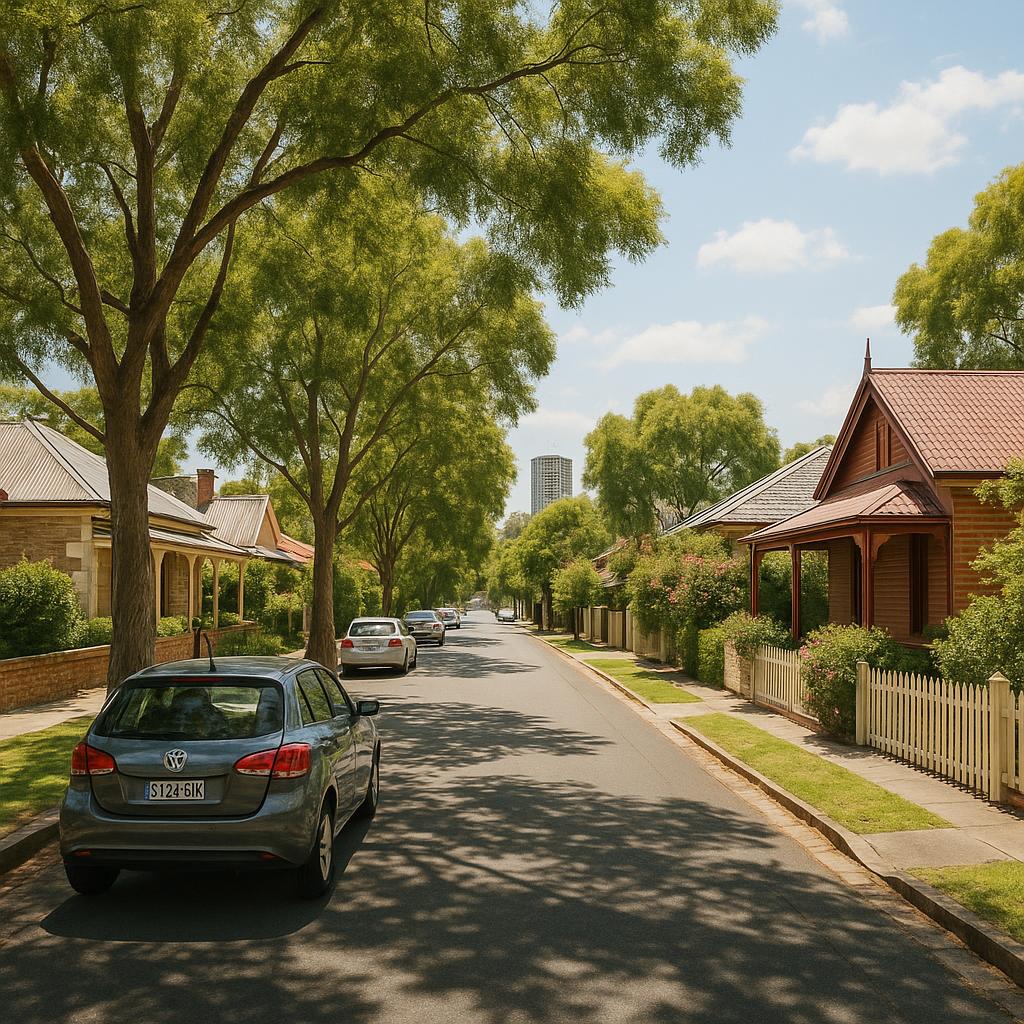
Kent Town is an established inner-eastern Adelaide suburb close to the CBD, Park Lands fringe, and major employment and education hubs. Its housing mix can include character homes, updated dwellings, units, apartments, and newer infill in some pockets, so the suburb is less about one housing style and more about lifestyle trade-offs.
That matters because buyers here usually pay for convenience, not just a postcode. In a suburb like Kent Town, location can be the main feature: shorter travel times, easier access to city amenities, and stronger everyday practicality often shape decision-making more than block size alone.
For investors and homeowners, the key point is that the best value depends on the property type and micro-location. A renovated unit near key amenity may appeal to a very different buyer than an older character home on a quieter street, even if both sit within the same suburb.
Buyer Demand
Demand in Kent Town is typically driven by buyers who want inner-city convenience without moving right into the CBD. That includes professionals, downsizers, and some investors targeting a tenant base that values walkability, accessibility, and a lower-maintenance lifestyle.
Competition can be strongest for dwellings that feel easy to live in from day one: good parking, sensible layouts, well-kept interiors, and manageable ongoing costs. Buyers often compare Kent Town with Norwood, Mile End, and the CBD fringe before deciding whether the location premium is justified for their budget.
Rental Market
Kent Town can be attractive to renters who want quick access to work, study, and city-fringe amenities. That broadens the tenant pool beyond one demographic, which is useful for investors who prefer a property that is easier to re-let if a tenant moves on.
In practical terms, the most rentable homes are often the ones that make daily life simple: clean presentation, efficient heating and cooling, usable parking, and a floor plan that suits modern living. Apartments and units tend to suit professional tenants and couples, while larger dwellings can appeal to tenants who want more space but still want inner-suburb convenience.
Lifestyle, Transport & Schools
Lifestyle is a major part of Kent Town’s appeal. Buyers are often drawn to the convenience of nearby cafes, dining, shopping, parks, and the short trip into the city. That makes the suburb especially relevant for people who want an active urban routine without living in a dense CBD setting.
Transport convenience also supports demand. Access to major roads, public transport routes, walking paths, and cycling connections can reduce daily friction, especially for commuters and non-drivers. For many buyers, that time saving is the real premium.
School access can matter for family planning, even in an inner suburb where the buyer mix is broader. Rather than relying on assumptions, check official catchment maps, transport routes, and enrolment rules directly before you buy. Boundaries and intake arrangements can change, so verification is essential.
Kent Town Suburb Profile
Official 2021 Census snapshot for the ABS Suburbs and Localities geography.
Age profile
Housing tenure
Occupied private dwellings by tenure type.
Salary & income profile
Median total income reported in the Census.
*Annual figures are weekly median × 52 estimates, not separate ABS annual medians.
Education & qualifications
Highest educational attainment, people aged 15+.
Employment status
People aged 15+ who reported being in the labour force.
Industry of employment
Top responses among employed people aged 15 years and over.
Occupation profile
Broad occupation groups among employed residents, including managers.
Property Type Guide
- Character homes / older dwellings: Best for buyers who want charm and renovation potential, but budget for maintenance, insulation, and layout quirks.
- Units: Often suit first-home buyers, downsizers, and investors seeking a more manageable asset with lower day-to-day upkeep.
- Apartments: Work well for lock-and-leave living and tenant demand, but assess strata costs, building quality, noise transfer, and parking.
- Townhouses / infill stock: Can offer a balance between space and convenience, provided design quality and resale practicality are strong.
The right choice depends on why you are buying, not just where. In Kent Town, a smaller dwelling in the right pocket can outperform a larger one in the wrong pocket if it better matches buyer or tenant expectations.
Risks & Watch-Outs
- Traffic, parking constraints, and noise can affect liveability in parts of the suburb, so inspect at different times of day.
- Older homes may hide repair costs in wiring, roofing, insulation, moisture, or general wear, especially if they have been lightly maintained.
- Strata documents for units and apartments deserve close reading, because fees, special levies, and rules can materially change returns.
- Do not assume renovation potential equals value; the cost of updating can quickly erode any perceived discount.
- Micro-location matters here, so check nearby land uses, road exposure, and future development activity before committing.
Nearby Suburbs to Compare
FAQ
Is Kent Town a good suburb for first-home buyers?
It can be, but the answer depends on your budget and willingness to compromise on space. First-home buyers often find better entry options in units or apartments, while houses may be more expensive to own and maintain. Compare the total cost, not just the asking price.
Is Kent Town better for investors or owner-occupiers?
Both can suit the suburb. Owner-occupiers tend to value location, convenience, and the lifestyle feel of an established inner area, while investors may prioritise tenant demand, low-maintenance stock, and easy leasing. The best fit depends on whether you are buying for use, income, or long-term holding.
What property type is most suitable in Kent Town?
There is no single best type. Character homes suit buyers who want charm and space; units suit those wanting manageable upkeep; apartments suit convenience-led purchasers; and townhouses can offer a middle ground. Your holding period, budget, and tolerance for maintenance should drive the choice.
What should buyers check before making an offer?
Inspect the street, traffic flow, noise, parking, and surrounding land uses. Then review the building condition, title details, and, for strata properties, the owners corporation records, levies, and rules. If school access matters, confirm current catchments and enrolment rules directly with official sources.
How does Kent Town compare with nearby suburbs?
Compare it on convenience, housing type, maintenance burden, and lifestyle feel rather than on suburb reputation alone. Nearby areas such as Norwood, Mile End, and Rose Park can offer different trade-offs in amenity, density, and price pressure, so the best value depends on your goals.
Conclusion
Kent Town is a location-led inner-eastern suburb where convenience, housing type, and street-level detail matter more than generic headlines. It can work well for buyers who want city access and for investors who value broad tenant appeal. The smartest approach is to compare specific properties carefully and buy the dwelling that fits your strategy.
Sources & how to verify
- Check current sold results and active listings on Domain to verify how Kent Town properties are trading right now.
- Use realestate.com.au to compare current rental listings, property features, and the type of stock competing for tenants.
- Confirm zoning, overlays, and planning controls through the SA Government planning and property portal before relying on assumptions about redevelopment potential.
- Review local planning information from the City of Adelaide to understand nearby projects, amenity changes, and development context.
- Check school zones and enrolment details on the SA Department for Education website, because catchments can change and must be verified directly.
- Use Adelaide Metro to confirm current bus routes, timetables, and transport access rather than relying on general suburb impressions.
- For title, easement, and land detail checks, refer to Land Services SA and the specific property documents before making an offer.