Quick Answer
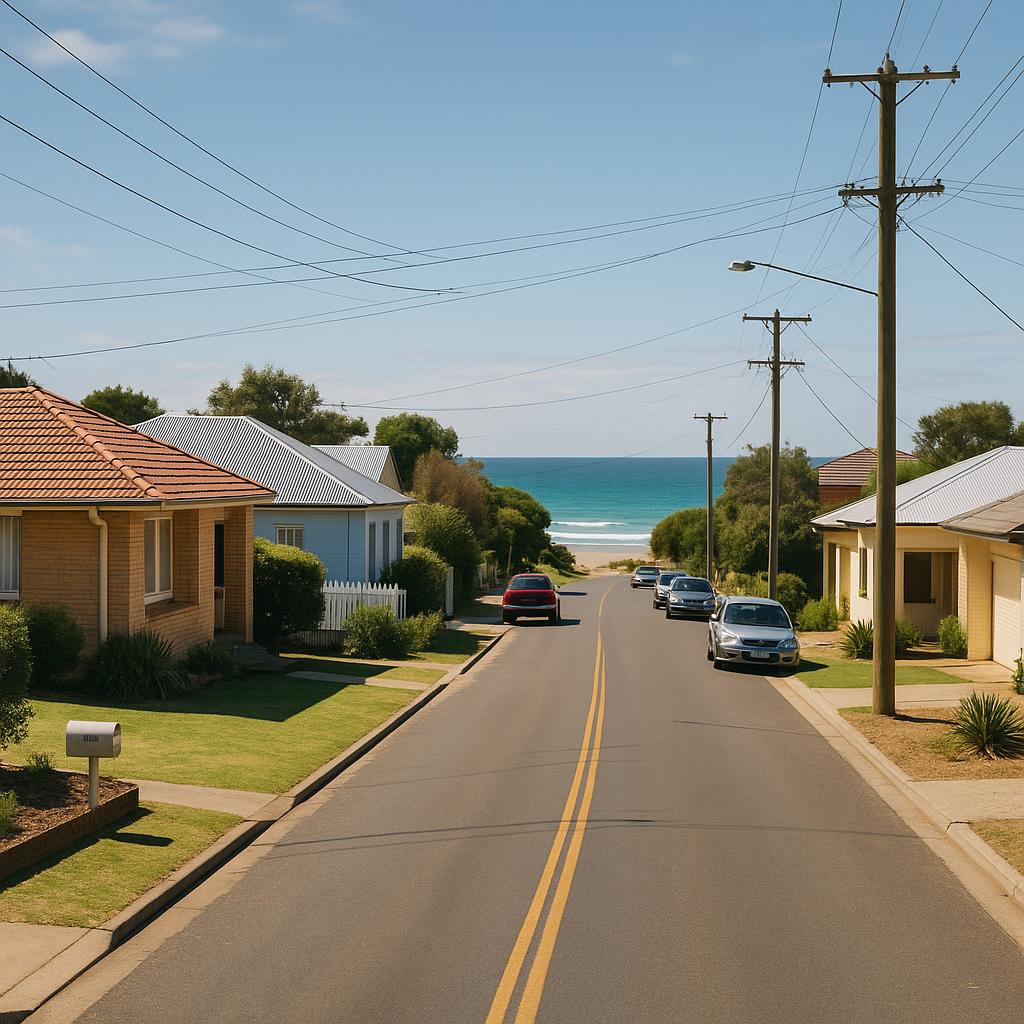
Christies Beach is a coastal southern Adelaide suburb that suits buyers who want beachside living with everyday convenience, rather than a premium blue-chip coastal address. It tends to appeal to first-home buyers, downsizers, families, and investors who value broad tenant appeal and workable commutes. The best opportunities usually come from the right pocket, the right dwelling type, and a realistic view of maintenance, exposure, and resale depth.
Key Takeaways
- Christies Beach offers a practical coastal lifestyle with broader affordability than higher-priced beach suburbs.
- Buyer outcomes depend heavily on street quality, dwelling condition, and how close the property sits to amenity.
- Investors should favour low-maintenance homes with simple layouts, solid presentation, and broad tenant appeal.
- Older housing can provide value-add potential, but coastal wear and repair costs need to be budgeted carefully.
- Compare Christies Beach with nearby coastal and convenience suburbs before deciding where your budget works hardest.
Pros & Cons
Pros
- Beach proximity supports lifestyle appeal and resale interest.
- Mixed housing stock suits different budgets and strategies.
- Everyday convenience helps attract both owner-occupiers and renters.
Cons
- Coastal exposure can lift maintenance demands over time.
- Suburb performance can vary sharply by street and property type.
- Busy roads, dated stock, or awkward parking can weaken buyer demand.
Market Overview
Christies Beach sits in the affordable-coastal part of the Adelaide market: close enough to the sea to matter, but typically more accessible than prestige beachfront locations. It is a suburb where the buying decision is usually shaped by a mix of lifestyle, budget, and property condition rather than one simple suburb-wide story.
The local stock is varied, which is useful for buyers but also creates dispersion in value. You will see older detached homes, renovated dwellings, units, and lower-maintenance options, each attracting a different audience. That means two properties on the same street can behave very differently depending on presentation, land size, parking, and how well the home suits modern use.
For investors and homeowners, the key is to treat Christies Beach as a pocket-by-pocket market. Verify recent comparable sales, inspect the street at different times of day, and look beyond coastal branding to the property’s actual holding cost and resale strength.
Buyer Demand
Demand is usually driven by buyers who want a coastal lifestyle without stretching into premium pricing territory. That includes first-home buyers, downsizers, upsizers, renovators, and investors looking for a location with broad day-to-day appeal.
Competition tends to focus on properties that are easy to live in and easy to maintain. A neat home near everyday amenities will usually attract a wider pool than a similar dwelling that feels tired, noisy, or inconvenient. The practical test is simple: would a future buyer or tenant see the property as easy, comfortable, and low effort?
Rental Market
Christies Beach has rental appeal because it combines coastal lifestyle with ordinary suburban convenience. That makes it relevant to singles, couples, small families, and long-term tenants who want access to the beach without paying inner-city or premium beachfront prices.
For investors, the strongest rental candidates are usually properties with functional layouts, secure parking, easy-care outdoor areas, and a clean presentation. In this suburb, tenant demand is often less about flashy features and more about everyday usability, comfort, and low ongoing effort.
Lifestyle, Transport & Schools
The lifestyle drawcard is straightforward: beach access, outdoor recreation, and a more relaxed pace than many inland suburbs. Christies Beach also has enough local amenity to support day-to-day living, which matters for buyers who want convenience as well as scenery.
Transport and access are practical rather than elite. The suburb works for commuters who are comfortable with suburban road networks and public transport connections, but buyers should test the actual trip at peak times. A property that looks well located on a map can feel quite different during school runs and weekday travel.
School access can be an important factor for family buyers, but zoning and catchments should always be checked directly through official sources before relying on assumptions. For many households, the right home here is the one that supports school routines, parking, and commuting without making daily life harder.
Christies Beach Suburb Profile
Official 2021 Census snapshot for the ABS Suburbs and Localities geography.
Age profile
Housing tenure
Occupied private dwellings by tenure type.
Salary & income profile
Median total income reported in the Census.
*Annual figures are weekly median × 52 estimates, not separate ABS annual medians.
Education & qualifications
Highest educational attainment, people aged 15+.
Employment status
People aged 15+ who reported being in the labour force.
Industry of employment
Top responses among employed people aged 15 years and over.
Occupation profile
Broad occupation groups among employed residents, including managers.
Property Type Guide
- Houses: Best for buyers wanting land, flexibility, and renovation upside, but they can come with more maintenance.
- Units and smaller dwellings: Often suit first-home buyers, downsizers, and investors seeking simpler upkeep and lower day-to-day management.
- Older homes: May offer character and value-add potential, though buyers should budget carefully for repairs and coastal wear.
- Renovated homes: Appeal to buyers wanting a move-in-ready outcome, but verify that the improvements are genuinely high quality.
Risks & Watch-Outs
- Coastal exposure can accelerate external wear, so factor in painting, roofing, fixtures, and maintenance cycles.
- Street-by-street variation is significant, so avoid assuming every part of the suburb will perform the same way.
- Presentation can disguise functional issues, including poor layouts, limited parking, or awkward access.
- Investors should not buy on coastal appeal alone; tenant demand still depends on property type, condition, and usability.
- Buyers should inspect at different times of day to assess traffic, noise, parking pressure, and surrounding activity.
Nearby Suburbs to Compare
- Noarlunga Centre SA Property Market Guide: Buyers & Investors
- Aldinga Beach SA Property Market Guide: Buyers & Investors
- Semaphore SA Property Market Guide: Buyers & Investors
- Brighton SA Property Market Guide: Buyers & Investors
FAQ
Is Christies Beach good for first-home buyers?
Yes, if you want a coastal suburb with broader affordability and practical amenity. First-home buyers should focus on property condition, parking, and whether the dwelling is easy to maintain, rather than stretching for beach proximity alone.
Is Christies Beach a good suburb for investors?
It can be, provided you buy for tenant demand rather than the suburb name. Investors should prioritise low-maintenance layouts, good presentation, and locations that are genuinely convenient for daily living and commuting.
What type of property is usually the safest choice here?
There is no single safest choice, but practical homes with functional layouts often suit the widest audience. Units can reduce maintenance, while houses may offer stronger land value and renovation flexibility if the condition and location are right.
What should buyers check before purchasing in Christies Beach?
Check the street at different times, inspect building condition carefully, review parking and access, and verify zoning or overlays. Also compare recent sales and current listings so you understand how the property stacks up locally.
How does Christies Beach compare with nearby coastal suburbs?
It is usually best thought of as a practical coastal option rather than a prestige one. Nearby suburbs may offer different trade-offs in beach access, convenience, housing mix, and price positioning, so compare them by purpose.
Conclusion
Christies Beach can be a strong fit for buyers who want coastal living with day-to-day practicality. The suburb rewards careful selection more than broad assumptions. Focus on location within the suburb, dwelling quality, maintenance risk, and how well the property matches your long-term plan as an owner-occupier or investor.
Sources & How to Verify
- Check current sold prices and active listings on Domain so you are not relying on outdated price assumptions.
- Use realestate.com.au to compare asking prices, property features, and how quickly similar homes are being marketed.
- Review suburb and household context on the ABS to understand demographic trends without guessing at local demand drivers.
- Confirm zoning, overlays, and planning controls through PlanSA before assuming a block can be altered, extended, or redeveloped.
- Check school zoning and enrolment details via the South Australian Department for Education because catchments can change and should not be guessed.
- Inspect local transport options on Adelaide Metro so commute claims are measured against real timetables and routes.
- Review flood and coastal risk information through SA Government resources and ask your conveyancer how any risk may affect insurance or future works.
- Speak with a local property manager and compare current rental listings before making rental yield assumptions, because tenant demand can shift with stock quality and seasonal conditions.