Quick Answer
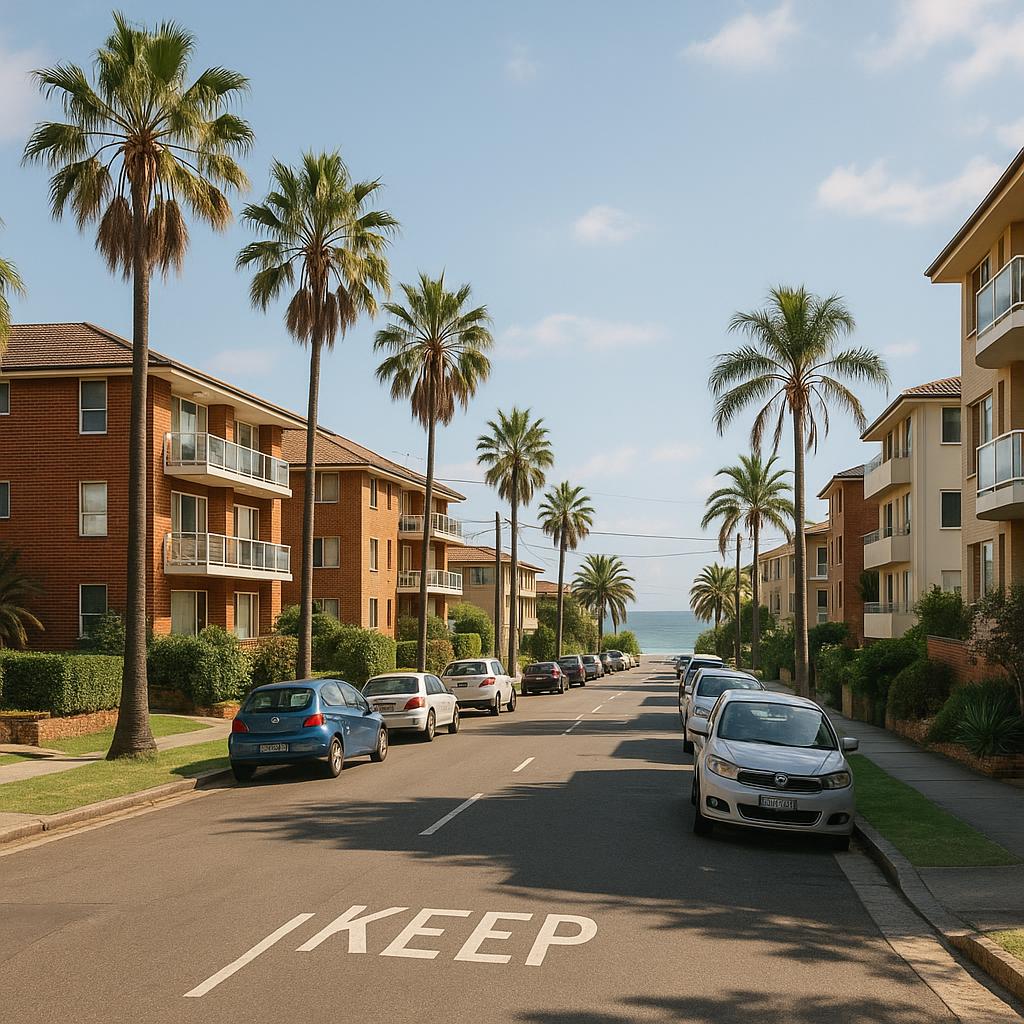
Dee Why is one of the Northern Beaches’ most practical coastal suburbs because it combines beach access, an established town centre, and broad appeal across buyers and tenants. It tends to suit people who want a liveable, everyday suburb rather than a purely holiday-style location. For investors, the key attraction is depth of demand; for owner-occupiers, it is the balance of convenience, lifestyle, and relatively easy resale if the property is well chosen.
Key Takeaways
- Dee Why offers coastal living with day-to-day convenience, which helps it appeal to both owner-occupiers and tenants.
- The suburb’s strongest demand usually sits in well-located apartments and low-rise homes with practical layouts.
- Micro-location matters: parking, noise, strata quality, and building condition can outweigh beach proximity alone.
- Buyers often compare Dee Why with nearby beaches to balance lifestyle value against density and ongoing ownership costs.
- For investors, the best opportunities are usually properties that lease easily because they are comfortable, functional, and well maintained.
Pros & Cons
Pros
- Coastal lifestyle with strong everyday amenity.
- Broad buyer and tenant appeal across life stages.
- Useful mix of apartments, low-rise stock, and some houses.
Cons
- Some pockets are busier, denser, or noisier than buyers expect.
- Strata, maintenance, and parking can materially affect holding costs.
- Coastal exposure can increase wear, insurance scrutiny, and upkeep.
Market Overview
Dee Why sits on Sydney’s Northern Beaches and is best understood as a complete lifestyle suburb, not just a beach address. It combines surf access, a sizeable local centre, transport convenience, and a housing mix that gives buyers multiple entry points. That makes it relevant to first-home buyers, upsizers, downsizers, and investors who want reliable demand rather than a niche buyer pool.
The suburb’s market position is shaped by practicality as much as prestige. In real terms, that means well-located apartments and carefully chosen low-rise homes often attract the widest audience. Buyers are usually paying for a combination of location, amenity, and ease of living, so the best assets tend to be those that are simple to occupy, lease, and resell.
For many households, Dee Why works because it reduces compromise. You can have beach access, daily services, cafes, and transport options without moving to a more isolated coastal pocket. That same quality helps rental demand too, particularly where the property is well presented and the building is well managed.
Buyer Demand
Buyer demand in Dee Why is typically broad rather than highly specialised. First-home buyers often focus on apartments as an accessible entry point into the Northern Beaches, while owner-occupiers and downsizers look for low-maintenance living close to amenities. Investors are drawn to the suburb because the tenant pool is usually larger than in more tightly held, purely prestige beach locations.
What buyers tend to compete for is not just an address, but convenience that feels durable. A good floor plan, natural light, parking, sensible strata, and a quiet-enough position can matter more than a headline feature such as being “near the beach”. That is why two properties in the same suburb can perform very differently over time.
Rental Market
Dee Why generally suits tenants who want beachside living without sacrificing access to shops, transport, and services. That includes professionals, couples, relocators, and local residents moving within the Northern Beaches. For investors, the strongest rental appeal often comes from practical livability: easy parking, a functional layout, good airflow, and a building that presents well.
In a suburb like this, renters often assess comfort before lifestyle polish. A slightly less glamorous property can outperform a prettier one if it has better storage, better light, lower noise, or easier access. That is why due diligence on strata, building condition, and the immediate streetscape is essential before relying on a rental estimate.
Lifestyle, Transport & Schools
Dee Why offers a genuine live-work-play setup for many households. The beach is part of the appeal, but so is the everyday convenience of retail, cafes, services, and a suburb centre that supports routine living. That combination is valuable because it helps the suburb stay relevant across different stages of life, from early ownership to downsizing.
Transport is practical rather than rail-centric, so bus access and road connectivity matter. Many residents still rely on cars, which makes parking a meaningful value driver. Buyers should also think about commute patterns, because a property that appears central on a map may still feel awkward if it is poorly positioned for bus stops, arterial roads, or school drop-off routines.
For families, school access and daily logistics matter more than prestige branding. Instead of chasing rankings, assess whether the property supports your actual routine: childcare, school runs, after-school activities, and safe, manageable movement around the suburb. In Dee Why, a home that reduces daily friction can be more valuable than one that simply sounds desirable in marketing copy.
Dee Why Suburb Profile
Official 2021 Census snapshot for the ABS Suburbs and Localities geography.
Age profile
Housing tenure
Occupied private dwellings by tenure type.
Salary & income profile
Median total income reported in the Census.
*Annual figures are weekly median × 52 estimates, not separate ABS annual medians.
Education & qualifications
Highest educational attainment, people aged 15+.
Employment status
People aged 15+ who reported being in the labour force.
Industry of employment
Top responses among employed people aged 15 years and over.
Occupation profile
Broad occupation groups among employed residents, including managers.
Property Type Guide
- Apartments: Often the most accessible entry point. Best suited to buyers who value convenience, lower maintenance, and stronger rental breadth. Check strata levies, building condition, parking, natural light, and ventilation.
- Townhouses / low-rise stock: A good middle ground for buyers wanting more space and privacy than a standard unit. Assess outdoor usability, noise transfer, common area obligations, and overall privacy.
- Houses: Typically more tightly held and attractive to long-term family buyers. Look closely at land value, renovation potential, maintenance exposure, and how the site handles coastal weather.
- Premium lifestyle stock: Upgraded apartments or better-positioned homes can suit lifestyle-led buyers. These purchases usually make more sense when you are paying for livability first, not yield first.
Risks & Watch-Outs
- Coastal exposure can accelerate wear on finishes, metalwork, and external elements, so inspect for maintenance history and sensible upkeep.
- Apartment buyers should review strata records carefully because levies, special works, or poor management can change the ownership equation quickly.
- Noise and density vary by pocket, so inspect at different times of day rather than assuming every street feels the same.
- Parking and access can strongly affect both resale and rentability, especially for tenants who still depend on cars.
- Do not pay a premium for beach proximity alone if the layout, orientation, or building quality is weak.
Nearby Suburbs to Compare
- Neutral Bay NSW Property Market Guide: Buyers & Investors
- Bondi Junction NSW Property Market Guide: Buyers & Investors
- Brookvale NSW Property Market Guide: Buyers & Investors
- Manly
- Freshwater
- Curl Curl
FAQ
Is Dee Why good for first-home buyers?
It can be, especially if you are realistic about what entry looks like in a Northern Beaches suburb. Apartments are usually the most practical starting point, but buyers should focus on strata quality, parking, and layout rather than stretching for the most attractive listing photos.
Is Dee Why better for investors or owner-occupiers?
It works for both, but for different reasons. Investors usually like the broad tenant pool and convenience-led demand, while owner-occupiers value the lifestyle and daily practicality. The strongest properties tend to be those that appeal to both groups at once.
What property type is best in Dee Why?
There is no single best type. Apartments suit affordability and rental depth, low-rise stock can offer balance, and houses are more about long-term lifestyle and scarcity. The right choice depends on whether your priority is cash flow, convenience, or family flexibility.
What should I check before buying an apartment here?
Start with strata levies, building condition, parking, ventilation, and the quality of the immediate street environment. Also look at owner-occupier mix, recent minutes, and whether the building shows signs of deferred maintenance or recurring disputes.
Is Dee Why a good long-term hold?
It can be, because suburbs with strong everyday amenity and broad appeal often hold up better over time. The key is buying the right property in the right pocket, with manageable costs and a layout that stays desirable as market preferences change.
Conclusion
Dee Why is a flexible coastal suburb that rewards sensible buying. It is strong on lifestyle, useful for tenants, and practical for many owner-occupiers, but the best outcomes usually come from careful property selection rather than postcode optimism. Focus on building quality, parking, strata, and micro-location, then compare it properly with nearby beach suburbs before committing.
Sources & How to Verify
- Check current listings and sold results on Domain to verify how Dee Why properties are actually trading right now.
- Review realestate.com.au for asking rents, property features, and the types of dwellings attracting attention in the suburb.
- Use the Northern Beaches Council website to check local planning information, development controls, and place-specific environmental considerations.
- Search the NSW Planning Portal to understand approvals, zoning, and nearby development proposals that may affect amenity or supply.
- Verify school catchments and nearby education options with the NSW School Finder rather than relying on third-party summaries.
- Cross-check transport convenience using Transport for NSW so you can confirm current bus routes, travel patterns, and service frequency.
- Look at ABS community data for broad demographic context, but treat it as background rather than a substitute for property-specific due diligence.
- Always inspect the building in person, review strata documents, and compare the property against recent comparable sales before treating any suburb reputation as evidence.