Quick Answer
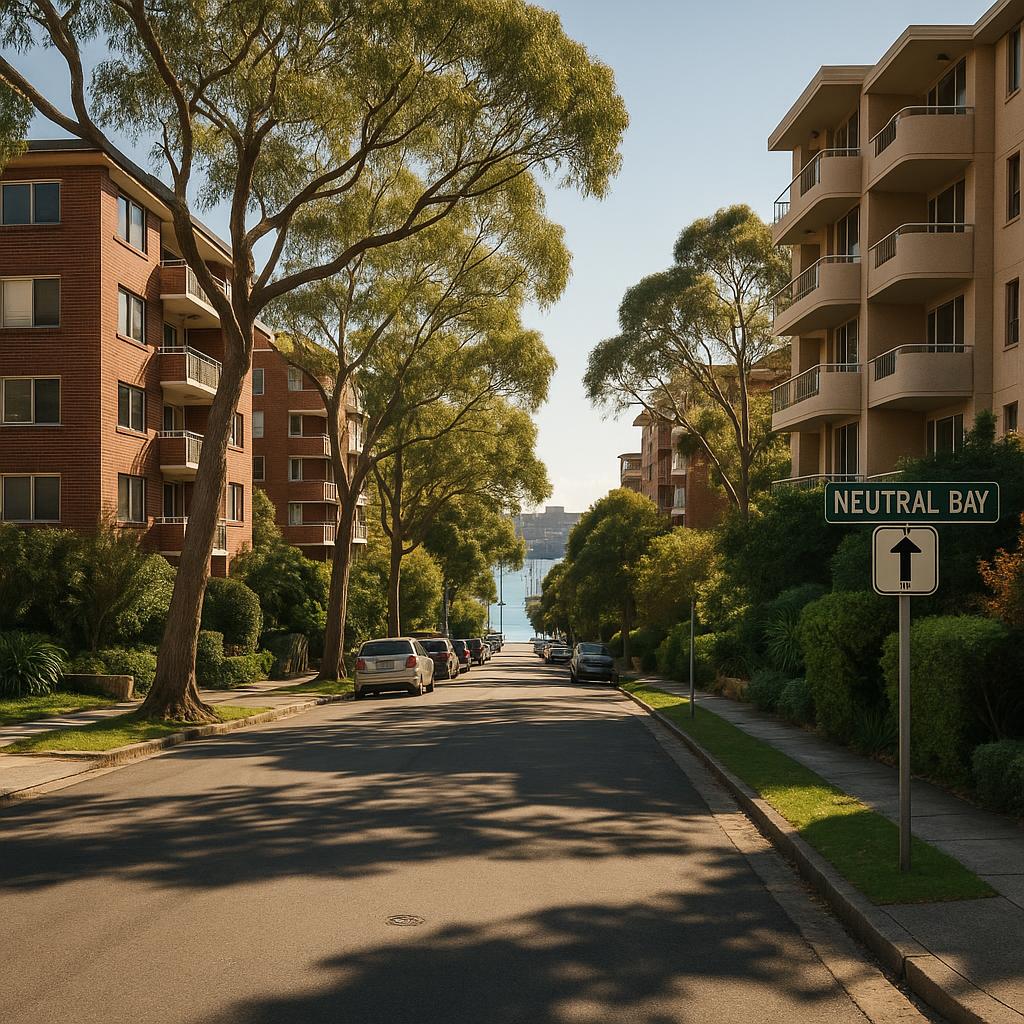
Neutral Bay is a premium Lower North Shore suburb suited to buyers who value convenience, village amenity, and strong commuter access more than large landholdings. It tends to attract professionals, downsizers, and investors who want a broadly resilient market rather than a speculative one. The strongest opportunities usually come from well-located apartments or scarce low-rise homes with good parking, light, and building quality.
Key Takeaways
- Neutral Bay is a convenience-led suburb with strong appeal to professionals, downsizers, and investors seeking everyday liveability.
- Apartment stock dominates, so building quality, strata costs, and layout matter more than headline postcode appeal.
- Transport access and walkability are key value drivers for both owner-occupiers and tenants.
- Scarcer houses and boutique dwellings can command stronger interest because supply is limited.
- Buyers should assess micro-location carefully, as traffic, noise, and parking can change the experience street by street.
Pros & Cons
Pros
- Strong lifestyle appeal with close access to cafés, services, and harbour-adjacent living.
- Broad demand base supports resale confidence and leasing interest.
- Low-maintenance apartment living suits busy professionals and downsizers.
Cons
- Premium positioning can mean tighter value-for-money at entry.
- Traffic, parking, and noise can be issues in busier pockets.
- Older buildings may have mixed strata quality and varying maintenance needs.
Market Overview
Neutral Bay sits on Sydney’s Lower North Shore and is best understood as a tightly held, amenity-rich suburb rather than a “cheap entry” market. It blends apartment living, village convenience, and harbour-side proximity, which is why it remains attractive to both home buyers and investors.
The suburb’s appeal is practical as much as aspirational. Buyers are often paying for shorter commutes, easier daily routines, and a location that works for different life stages. That keeps demand broad, especially for well-presented homes in quieter streets close to transport and shops.
For investors, the market tends to reward quality over novelty: good natural light, efficient layouts, secure parking, and well-run strata schemes usually matter more than cosmetic finishes alone. For homeowners, the decision often comes down to whether they want maximum convenience or more space elsewhere for the same budget.
Buyer Demand
Buyer demand is typically supported by a mix of owner-occupiers and lifestyle-driven renters who want proximity to North Sydney and the CBD. Neutral Bay also appeals to downsizers who want to stay on the Lower North Shore without the upkeep of a larger house.
Competition is often strongest for properties that reduce friction: renovated interiors, secure parking, lift access, decent storage, and a quieter setting away from heavy traffic. In this suburb, “easy living” often sells faster than raw size.
Rental Market
Neutral Bay suits investors who want a tenant pool made up of professionals, couples, and short-to-medium term residents who value convenience. Apartments generally dominate leasing demand because they are lower-maintenance and better aligned with the suburb’s urban profile.
Good rental candidates usually combine location and usability: secure entry, practical floorplans, natural light, and access to buses or walkable amenity. Higher vacancy risk tends to sit with awkward layouts, tired buildings, or stock that is priced above its actual presentation and functionality.
Lifestyle, Transport & Schools
Neutral Bay offers a polished, established lifestyle with cafés, dining, services, and everyday convenience close at hand. It suits buyers who want a suburb that feels active and connected, rather than quiet and detached from the city.
Transport access is one of the suburb’s defining strengths. Regular bus links and straightforward access to major employment hubs make it practical for commuters, which helps both resale demand and rental appeal. For many purchasers, the time saved each week is part of the value proposition.
School access is often considered in the wider Lower North Shore context, even by buyers without children. Families usually verify current catchments and admissions carefully, because education access can affect both occupancy decisions and long-term desirability. Use official sources rather than relying on assumptions.
Neutral Bay Suburb Profile
Official 2021 Census snapshot for the ABS Suburbs and Localities geography.
Age profile
Housing tenure
Occupied private dwellings by tenure type.
Salary & income profile
Median total income reported in the Census.
*Annual figures are weekly median × 52 estimates, not separate ABS annual medians.
Education & qualifications
Highest educational attainment, people aged 15+.
Employment status
People aged 15+ who reported being in the labour force.
Industry of employment
Top responses among employed people aged 15 years and over.
Occupation profile
Broad occupation groups among employed residents, including managers.
Property Type Guide
- Apartments: The most common stock; best for low-maintenance ownership, leasing depth, and buyers prioritising location over land.
- Boutique and older apartments: Often appeal to buyers wanting character or a smaller building, but check acoustics, strata history, and upgrade needs.
- Townhouses and semis: Less common and useful for buyers wanting more space without leaving the suburb; inspect parking and privacy carefully.
- Houses: Scarce and usually tightly held, which can support interest, but buyers should still assess land utility and renovation reality.
- Investor focus: Prioritise tenant-friendly layouts, solid building management, and modest ongoing holding costs.
Risks & Watch-Outs
- Do not pay a premium for the postcode without checking the building, street position, and internal condition.
- Traffic, parking access, and noise can materially affect daily livability and tenant satisfaction.
- Older strata schemes may carry higher maintenance risk or special levy exposure.
- Awkward layouts can reduce buyer and tenant appeal even when the address is strong.
- Always compare nearby comparable sales and listings rather than relying on suburb-wide assumptions.
Nearby Suburbs to Compare
- Cremorne
- Kirribilli
- Mosman
- North Sydney
- Double Bay
FAQ
Is Neutral Bay a good suburb for property investors?
Neutral Bay can suit investors who want stable tenant demand and lower-maintenance apartment stock. The key is to buy a property that leases easily: good presentation, practical layout, and a building with manageable strata costs and sensible ongoing maintenance.
What type of property performs best in Neutral Bay?
There is no single best option, but well-located apartments usually offer the broadest buyer and tenant pool. Boutique buildings, secure parking, and efficient floorplans often matter more than chasing the largest floor area or the most cosmetic renovation.
Does Neutral Bay suit first-home buyers?
It can, if the buyer is comfortable with apartment living and premium-location pricing. First-home buyers should focus on entry-level quality, transport access, and long-term livability rather than stretching for a poor-layout unit simply to buy into the suburb.
What should I check before buying in Neutral Bay?
Inspect the building, strata records, noise exposure, parking practicality, and the actual walking distance to amenity. Also compare the apartment against similar stock in nearby Lower North Shore suburbs to make sure you are paying for genuine value, not just a prestige address.
How does Neutral Bay compare with nearby suburbs?
Neutral Bay is often a balance between prestige and practicality. Compared with some nearby suburbs, it can feel more convenience-led and apartment-heavy, so the “best” choice depends on whether you value harbour lifestyle, commuting efficiency, more space, or lower holding complexity.
Conclusion
Neutral Bay is a strong suburb for buyers who want access, convenience, and enduring lifestyle appeal on the Lower North Shore. The smartest purchases are usually those that combine a good micro-location with a solid building and a layout that works in daily life. For investors and homeowners alike, due diligence matters more here than broad suburb branding.
Sources & how to verify
- Check current sales evidence on Domain so you are comparing similar properties, not relying on outdated price impressions.
- Review active listings and recent sold data on realestate.com.au to understand what is actually trading in the suburb right now.
- Use NSW property and strata information to verify strata obligations, ownership checks, and broader due diligence steps.
- Check transport routes and service changes on Transport for NSW before assuming a commute, bus frequency, or connection will suit your needs.
- Confirm zoning and planning context through the NSW Planning Portal, especially if you are considering renovation or redevelopment.
- Use the NSW school finder to verify catchments and school options rather than relying on forum comments or old assumptions.
- Review local area information on the relevant council website and strata records so you understand parking rules, development activity, and building maintenance obligations.