Quick Answer
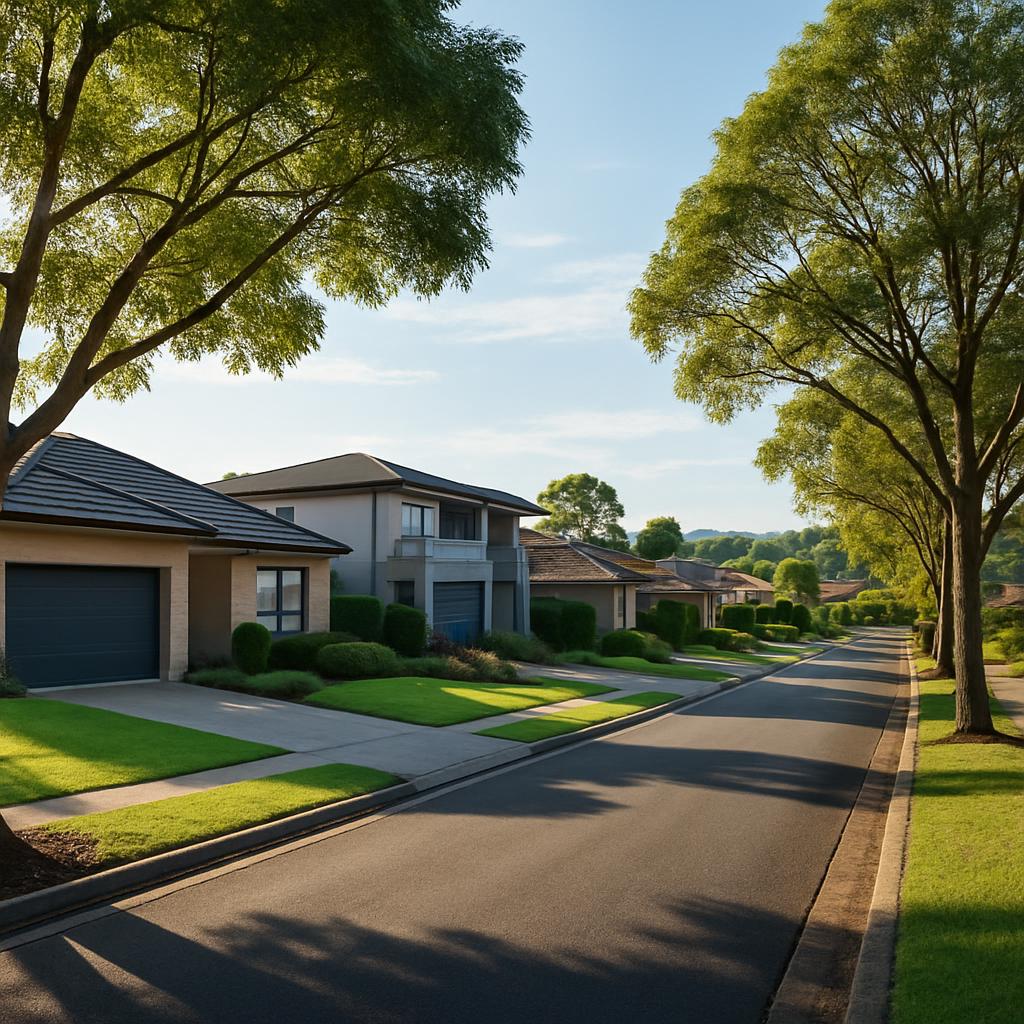
Castle Hill NSW is generally a well-established, family-oriented Hills District suburb with broad appeal to owner-occupiers and investors. It tends to suit buyers who value access to schools, shopping, transport corridors, and a mix of housing options rather than a highly urban lifestyle. The strongest results usually come from choosing the right pocket and property type for your goal, then verifying live market evidence before making an offer.
Key Takeaways
- Castle Hill attracts a wide buyer pool because it combines suburban liveability, amenity access, and a recognisable Hills District address.
- Micro-location matters: transport convenience, school access, street quality, and noise exposure can materially change value and buyer appeal.
- Families often chase houses, while investors and downsizers may prefer lower-maintenance townhouses or apartments with practical layouts.
- The suburb can support long-term holding strategies, but buyers should still inspect strata, maintenance, and traffic impacts carefully.
- Always verify current sales, rental listings, and local planning details before relying on generic suburb commentary.
Pros & Cons
Pros
- Established suburb with strong family appeal and a broad amenity base.
- Varied housing stock, giving buyers more strategy choices than a one-product suburb.
- Useful for long-term liveability thanks to retail, services, and transport access.
Cons
- Desirable pockets can be competitive, especially for well-located houses.
- Some properties trade off convenience for quieter streets or larger blocks.
- Older stock, traffic exposure, or strata issues can weaken a purchase if not checked properly.
Market Overview
Castle Hill sits in a mature part of the Hills District and is widely viewed as a mainstream family suburb rather than a niche market. That matters because broad appeal often helps demand hold up across different market conditions, especially where the home offers practical daily convenience.
For buyers, the market is less about finding “the” Castle Hill and more about identifying the right micro-market. Homes near convenience, transport, and daily amenity can behave very differently from quieter pockets, larger-lot streets, or apartment-heavy areas.
In practice, the suburb often appeals to three groups at once: families wanting space and stability, downsizers wanting lower-maintenance living, and investors wanting a tenant-friendly location. That mix can support resale depth, but it also means premium properties may attract competition.
Buyer Demand
Demand in Castle Hill is usually driven by usability. Buyers tend to care about how the home works for school runs, commuting, weekend errands, and long-term family life. That makes layout, parking, storage, and street access more important than glossy presentation alone.
Expect different buyer behaviour by property type. Detached homes often appeal to owner-occupiers with longer holding periods, while townhouses and apartments can attract more price-sensitive buyers and investors seeking lower upkeep and simpler ownership.
Rental Market
Castle Hill’s rental appeal usually comes from its practical lifestyle proposition rather than a single “hot” tenant segment. Families may rent here for schooling and convenience, while professionals and downsizers may look for low-maintenance homes with access to services.
For investors, the key question is whether the property is easy to live in and easy to maintain. Good parking, sensible layouts, decent storage, and manageable strata arrangements often matter more than trying to chase a very specific rent figure without current evidence.
Lifestyle, Transport & Schools
Castle Hill is typically valued for suburban comfort: retail access, parks, services, and a general sense of permanence that appeals to owner-occupiers. That lived-in, practical feel can be a major advantage when compared with newer suburbs that still feel incomplete.
Transport and commute planning deserve close attention. In this part of Sydney, buyers should test real-world travel times at peak periods rather than relying on a map. Road access, local congestion, and proximity to public transport options can materially affect daily satisfaction.
Schools are also part of the decision process for many families, even when school choice is not the sole reason for buying. Rather than relying on hearsay, verify catchments and enrolment details directly, because those factors can influence both future resale interest and rental demand.
Castle Hill (NSW) Suburb Profile
Official 2021 Census snapshot for the ABS Suburbs and Localities geography.
Age profile
Housing tenure
Occupied private dwellings by tenure type.
Salary & income profile
Median total income reported in the Census.
*Annual figures are weekly median × 52 estimates, not separate ABS annual medians.
Education & qualifications
Highest educational attainment, people aged 15+.
Employment status
People aged 15+ who reported being in the labour force.
Industry of employment
Top responses among employed people aged 15 years and over.
Occupation profile
Broad occupation groups among employed residents, including managers.
Property Type Guide
- Detached houses: Best for families wanting space, privacy, and backyard utility; inspect land usability, drainage, and renovation history.
- Townhouses: A middle-ground option for buyers wanting less upkeep; review strata quality, shared maintenance, and noise transfer.
- Apartments/units: Useful for investors or downsizers prioritising convenience; check building age, levies, parking, and compliance.
- Older homes: Can offer land and upside, but budget for repairs, retrofits, and energy-efficiency improvements.
- Renovated homes: Reduce immediate work but may carry a premium; assess whether the finish quality matches the asking price.
Risks & Watch-Outs
- Micro-location differences can affect street appeal, noise levels, and daily convenience more than many buyers expect.
- Strata risk matters for townhouses and apartments, so review levies, reports, repairs, and committee decision-making.
- Older homes may have hidden maintenance costs, especially where drainage, roofing, or original fixtures have been deferred.
- Traffic and access issues can become a daily annoyance if you only inspect at quiet times.
- Overcapitalising on renovations can reduce return if the upgrade level exceeds what the suburb or property type supports.
Nearby Suburbs to Compare
- Baulkham Hills — compare family appeal, housing mix, and established suburb character.
- Kellyville — useful for comparing newer stock, estate-style living, and commuting trade-offs.
- Glenhaven — compare quieter streets, land size, and a more low-density feel.
- Norwest — compare apartment-led convenience and low-maintenance buying.
- Parramatta — compare a different major centre with stronger urban intensity and transport-led demand.
FAQ
Is Castle Hill good for families?
Yes, Castle Hill is often considered family-friendly because it combines suburban amenity, housing variety, and practical day-to-day convenience. Families should still compare pockets carefully, especially for school access, traffic exposure, and whether the block and layout suit long-term use.
Is Castle Hill a good suburb for investors?
It can be, especially for investors who want broad tenant appeal rather than a highly speculative story. Focus on easy-to-maintain property types, sensible layouts, parking, and location efficiency. Always verify current rents, vacancy cues, and strata costs before relying on a generic yield assumption.
What property types are most suitable in Castle Hill?
That depends on the strategy. Houses usually suit owner-occupiers and families wanting space, while townhouses and apartments often suit downsizers and investors prioritising convenience. The best choice is the one that matches your budget, holding costs, and future resale audience.
What should buyers inspect first in Castle Hill?
Start with location fit: access to transport, schools, traffic patterns, and daily amenity. Then assess the property’s condition, floorplan, parking, and maintenance needs. For strata properties, review levies, records, and building health before you judge the home on presentation alone.
How do I compare Castle Hill with nearby suburbs?
Compare the suburb on the factors that affect daily life and future value: commute convenience, housing type, land size, maintenance burden, and buyer demand depth. A nearby suburb may be better if it better matches your budget or lifestyle priorities.
Conclusion
Castle Hill is best viewed as a mature, broadly appealing Hills District suburb rather than a one-note investment story. Buyers who match the right property type to their goals, and verify the live market conditions, are more likely to make a durable decision. The upside is strongest when you buy for practical demand, not just surface appeal.
Sources & How to Verify
- Check current listings and sold evidence on Domain so you can compare asking prices, property types, and time-on-market signals.
- Review current listings on realestate.com.au to see how Castle Hill homes are positioned against nearby suburbs and competing stock.
- Use ABS data to confirm demographic and household trends rather than relying on outdated suburb assumptions.
- Check transport and service updates on Transport for NSW so you can verify commute options, routes, and any network changes.
- Use the NSW School Finder to confirm catchments and school details directly, because enrolment zones can change.
- Review planning controls and development information through the NSW Planning Portal or council planning resources before assuming future land use or rezoning outcomes.
- For unit or townhouse purchases, request strata records and verify levies, insurance, and meeting minutes rather than assuming the building is well managed.
- Cross-check any market summary against current local agent appraisals and fresh comparable sales so your decision is based on live evidence, not stale commentary.