Quick Answer
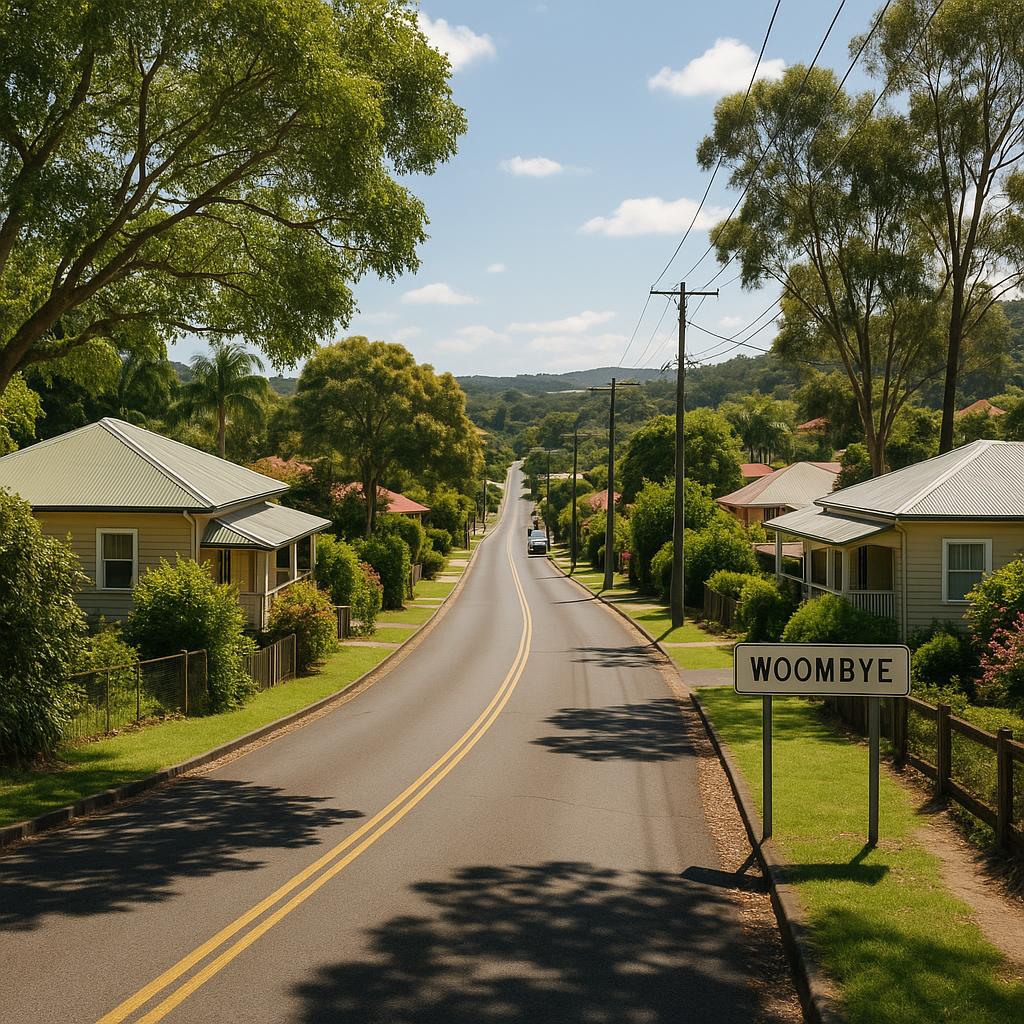
Woombye is best understood as a Sunshine Coast hinterland suburb with a village feel, strong family appeal, and practical access to larger employment and lifestyle hubs. It suits buyers who value space, character, and a calmer pace more than beachside density. For investors, the strongest results usually come from well-presented homes that appeal to families, professionals, and downsizers seeking stability, convenience, and low-friction living.
Key Takeaways
- Woombye tends to attract long-term residents rather than short-stay, speculative buying.
- The suburb’s identity matters: lifestyle, calm streets, and usability often drive decisions here.
- Property layout, block function, and home condition can outweigh cosmetic features.
- Owner-occupiers and investors can both buy here, but they should assess different risks and outcomes.
- The best purchase is usually the one that suits the suburb’s practical, family-friendly character.
Pros & Cons
Pros
- Relaxed hinterland atmosphere with a clear village identity.
- Broad appeal to families, downsizers, and buyers seeking more space.
- Can offer stronger liveability than denser coastal alternatives.
Cons
- Not suitable for buyers who want walkable beach living.
- Some homes may need extra attention to drainage, access, or upkeep.
- Demand can be selective if a property does not match local lifestyle expectations.
Market Overview
Woombye sits in the Sunshine Coast hinterland and is often weighed against both coastal suburbs and other nearby lifestyle pockets. That matters because its market is shaped less by fast-moving investor churn and more by people choosing a specific way of living: quieter streets, usable homes, and a sense of community. In practice, that usually rewards properties with good fundamentals rather than flashy presentation alone.
The suburb typically appeals to a mix of owner-occupiers, families, downsizers, and some investors. Buyers who like Woombye are often looking for a home base that feels settled and practical, not temporary or highly speculative. For that reason, the market can be more about fit than hype. A property that is easy to live in, maintain, and resell will usually have a stronger position than one that only looks attractive on paper.
For investors, the key question is not just whether Woombye is “popular”, but whether the dwelling suits the local tenant pool. Homes with sensible layouts, parking, yard usability, and straightforward maintenance tend to align best with the suburb’s core appeal.
Buyer Demand
Buyer demand in Woombye is usually driven by lifestyle choice. Families want room to move, a quieter setting, and access to everyday services without giving up Sunshine Coast connectivity. Downsizers often value the suburb’s calmer feel, while professionals may be drawn to a home base that offers a better balance between work and liveability.
What buyers tend to prioritise here is practical value: usable land, a functional floor plan, low-maintenance upkeep, and a property that feels comfortable for long-term living. A young family may choose a slightly older home with a better yard and more room rather than a newer but tighter alternative elsewhere. That is why quality homes, even if not brand new, can attract strong interest when they fit the suburb’s expectations.
Rental Market
From an investor perspective, Woombye is most attractive when the property speaks to stable, everyday tenants rather than niche demand. Likely renter groups include families, relocating households, professionals, and couples who want a quieter base with reasonable access to the broader region. That can support steadier occupancy if the home is comfortable, practical, and well maintained.
Investors should focus on tenant usability: parking, storage, indoor-outdoor flow, easy-care materials, and a layout that works for ordinary living. A well-kept three-bedroom home with a usable yard will usually be easier to lease than a quirky property with higher maintenance and limited flexibility. In this kind of suburb, rental resilience often comes from broad appeal, not novelty.
Lifestyle, Transport & Schools
Woombye offers a village-style lifestyle with a more relaxed pace than many urban or coastal hotspots. That is a genuine selling point for buyers who want a calmer home environment without feeling isolated from the Sunshine Coast’s broader amenities. It also helps explain why many residents stay longer than they might in more transient suburbs.
Transport and access matter here because daily convenience shapes both resale and rental demand. Buyers should think carefully about road connectivity, commuting time, and access to shopping, medical services, and the coast. If you rely on public transport or need predictable travel windows, test the route at the times you would actually travel rather than assuming the map tells the whole story.
For families, school access is a major consideration, but catchments and boundaries can change. Verify current school zones directly before buying, and consider whether the property’s location also works for childcare, after-school activities, and day-to-day routines. In a suburb like Woombye, the real value often comes from combining lifestyle with practical family convenience.
Woombye Suburb Profile
Official 2021 Census snapshot for the ABS Suburbs and Localities geography.
Age profile
Housing tenure
Occupied private dwellings by tenure type.
Salary & income profile
Median total income reported in the Census.
*Annual figures are weekly median × 52 estimates, not separate ABS annual medians.
Education & qualifications
Highest educational attainment, people aged 15+.
Employment status
People aged 15+ who reported being in the labour force.
Industry of employment
Top responses among employed people aged 15 years and over.
Occupation profile
Broad occupation groups among employed residents, including managers.
Property Type Guide
- Houses on larger blocks: Popular with families and lifestyle buyers; check drainage, landscaping, and long-term maintenance costs.
- Character homes and older stock: Attractive for buyers who want charm; inspect thoroughly for upgrades, layout quirks, and compliance issues.
- Modern family homes: Often suit owner-occupiers and investors seeking lower-maintenance living and broader tenant appeal.
- Renovation opportunities: Can work well if the bones are strong; budget conservatively and avoid overcapitalising on cosmetic work.
- Semi-rural or acreage-adjacent homes: Offer more space and privacy, but may narrow the resale audience and increase upkeep.
Risks & Watch-Outs
- Do not buy on lifestyle emotion alone; confirm the property’s practical fit for your use or tenant profile.
- Older homes can hide repair costs, especially where maintenance has been deferred or renovations were piecemeal.
- Check site conditions carefully, including slope, drainage, access, and usability of the land.
- Do not assume every property in a lifestyle suburb will perform equally well; the wrong layout can limit demand.
- For investors, avoid paying a premium for features that tenants may not value enough to justify the cost.
Nearby Suburbs to Compare
- Palmwoods QLD Property Market Guide: Buyers & Investors
- Nambour QLD Property Market Guide: Buyers & Investors
- Buderim QLD Property Market Guide: Buyers & Investors
- Maroochydore QLD Property Market Guide: Buyers & Investors
- Sippy Downs QLD Property Market Guide: Buyers & Investors
FAQ
Is Woombye a good suburb for families?
Yes, if your priority is space, a calmer streetscape, and a home that works for long-term living. Families usually value the suburb’s lifestyle feel, practical access, and less crowded environment. Always verify school zones, commute times, and day-to-day convenience for your specific address.
Is Woombye a good suburb for investors?
It can be, provided you buy the right property type. Investors should target homes with broad tenant appeal, low maintenance, and functional layouts. The suburb is better suited to stable rental demand than highly niche strategies, so the property must suit families or professionals.
What type of property tends to suit Woombye best?
Well-kept houses with usable land, practical parking, and flexible layouts often align best with local demand. Character homes can perform well if the condition is solid, while modern family homes may appeal to buyers or tenants wanting simplicity. The property’s usability matters more than novelty.
Should I compare Woombye with coastal suburbs?
Yes, because many buyers are choosing between lifestyle and beach proximity. Coastal suburbs may offer more amenity density and different buyer depth, while Woombye offers more of a hinterland feel. The right choice depends on whether you value space and calm over beachside convenience.
What should I check before buying in Woombye?
Inspect the house, site, and surrounding context carefully. Focus on drainage, maintenance, access, parking, layout, and any renovation work already completed. Also verify school catchments, council considerations, and local amenities directly before making an offer. A building and pest inspection is essential.
Conclusion
Woombye is best suited to buyers who want a calmer Sunshine Coast lifestyle with practical day-to-day access, and to investors who understand that broad, functional appeal matters more than trend chasing. If the home fits the suburb’s village-hinterland character, it can be a sensible long-term buy. If not, it may feel harder to resell or lease.
Sources & How to Verify
- Check current listings and sold evidence on Domain so you can compare asking prices, property types, and time on market rather than relying on outdated impressions.
- Review live rental stock on realestate.com.au rentals to confirm what tenants are actually being offered in Woombye and nearby suburbs.
- Use the ABS Census to understand the suburb’s broad household and dwelling profile, then cross-check whether that lines up with your target buyer or tenant.
- Verify school catchments and enrolment information through the Queensland Government education pages, because boundaries and intake rules can affect both family demand and resale confidence.
- Review planning, zoning, and overlays via the Sunshine Coast Council website so you understand development context, land use constraints, and any future changes near the property.
- Check flood and other hazard mapping where relevant on Queensland flood resources and related local mapping tools before assuming the block is low-risk.
- Ask a local property manager what tenant profiles are strongest in the area, because on-the-ground leasing feedback often reveals practical demand details that headline market summaries miss.