Quick Answer
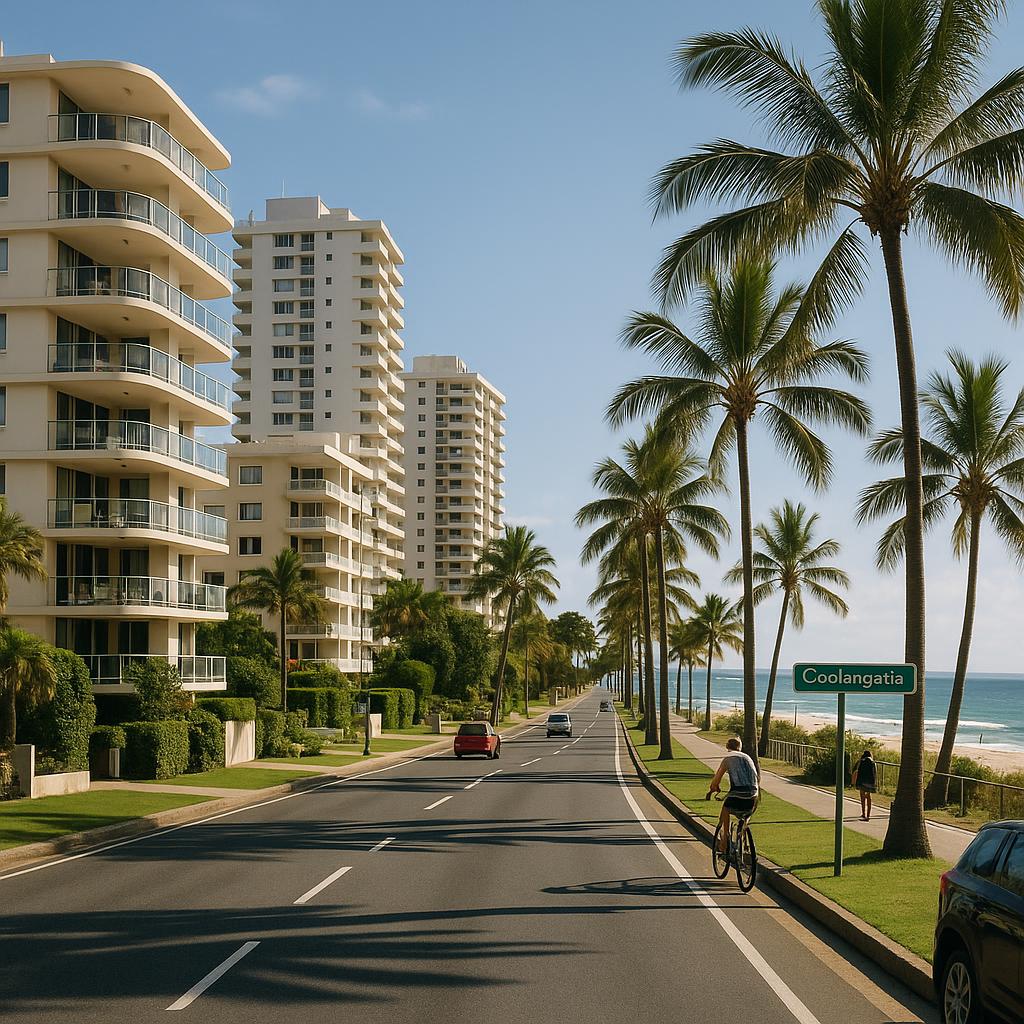
Coolangatta suits buyers who want a true coastal suburb with everyday convenience, not just holiday appeal. It is often a better fit for lifestyle buyers, downsizers, and investors who understand apartment-led demand, strata quality, and location premiums. The strongest opportunities usually come from well-located dwellings with good walkability, views, and practical access to the beach, airport precinct, and nearby border services. If you want land and a quieter suburban feel, you may prefer comparing it with nearby alternatives.
Key Takeaways
- Coolangatta is a premium southern Gold Coast coastal suburb where lifestyle, convenience, and micro-location heavily influence buyer interest.
- The market often skews toward apartments and low-maintenance homes, so strata quality and building age matter.
- Demand is supported by owner-occupiers, downsizers, interstate relocators, and investors chasing broad rental appeal.
- Beach proximity, walkability, outlook, and noise exposure can change livability and resale value more than suburb averages suggest.
- Buyers should compare Coolangatta with nearby coastal alternatives to judge value, property type fit, and long-term usability.
Pros & Cons
Pros
- Strong coastal lifestyle appeal with everyday amenity close by.
- Broad buyer and tenant interest across owner-occupier and investment segments.
- Low-maintenance property options suit downsizers and lock-and-leave purchasers.
Cons
- Premium positioning can narrow entry options for budget-conscious buyers.
- Apartment-heavy stock may not suit buyers seeking a larger family block.
- Noise, traffic, strata, and building-age issues need close inspection.
Market Overview
Coolangatta is the southern Gold Coast’s coastal gateway, with a market identity shaped by beach access, border proximity, and airport-linked convenience. For many buyers, it feels more like a compact lifestyle hub than a conventional family suburb. That matters because the property mix, buyer pool, and resale story are all strongly location-driven.
The suburb is typically more apartment-oriented than inland Gold Coast locations, although some townhouses and detached homes are available in select pockets. In practical terms, the best-performing stock is often the property that combines walkability, good aspect, and a building or home that is easy to live in now, not just in theory.
Coastal demand here is rarely one-dimensional. Some purchasers want a lock-up-and-leave home, others want a rental asset with broad tenant appeal, and many simply want to secure a scarce beachside position. In that kind of market, street position, elevation, and building quality can matter as much as the suburb name itself.
Buyer Demand
Buyer demand in Coolangatta is usually strongest from people who value the coastal lifestyle first and the dwelling second. That includes downsizers, lifestyle movers, interstate buyers, and investors who understand that the same property can appeal to multiple audience types if it is well positioned.
What buyers tend to pay attention to is very practical: beach walkability, parking, light, privacy, noise, and whether the property feels easy to maintain. A renovated apartment near amenity may outperform a larger but less convenient option because many purchasers here are buying the daily experience, not just the floor plan.
Rental Market
Rental appeal in Coolangatta is supported by lifestyle demand, airport convenience, and its strong coastal identity. That can create a mixed rental pool: some tenants want longer-term liveability, while others seek shorter stays or flexible arrangements in the right buildings. Investors should test which tenant profile their property naturally suits.
The key is not to assume all coastal rentals behave the same way. A central apartment, for example, may attract strong interest but also require closer management of noise, furnishings, and building rules. A quieter unit a little further back from the action may be easier to hold long term. Check current vacancy patterns, leasing speed, and strata by-laws before setting strategy.
Lifestyle, Transport & Schools
Coolangatta offers a beach-town lifestyle with dining, surf culture, and walkable access to daily amenity. That lifestyle is a real part of the property proposition here, because many buyers are willing to pay for convenience and atmosphere as much as for internal size.
Transport connectivity is another genuine advantage. The suburb’s airport proximity and border-adjacent location can be useful for frequent travellers, commuters, and people who split time between regions. For investors, that can broaden the renter pool; for homeowners, it can make day-to-day living more functional than a purely holiday-focused location.
Families should assess schooling and daily routines carefully rather than relying on broad suburb branding. Exact address, commute patterns, and after-school logistics matter more than a simple “good school area” claim. If education is a priority, verify catchments and travel times for the specific property you are considering.
Coolangatta (Qld) Suburb Profile
Official 2021 Census snapshot for the ABS Suburbs and Localities geography.
Age profile
Housing tenure
Occupied private dwellings by tenure type.
Salary & income profile
Median total income reported in the Census.
*Annual figures are weekly median × 52 estimates, not separate ABS annual medians.
Education & qualifications
Highest educational attainment, people aged 15+.
Employment status
People aged 15+ who reported being in the labour force.
Industry of employment
Top responses among employed people aged 15 years and over.
Occupation profile
Broad occupation groups among employed residents, including managers.
Property Type Guide
- Apartments: Commonly the best fit for downsizers, investors, and lock-and-leave buyers; check strata fees, special levies, noise, and building maintenance history.
- Townhouses: A middle ground for buyers wanting a bit more space; review access, parking, body corporate rules, and practical liveability.
- Detached homes: Better for buyers who want land and privacy; stock is usually scarcer in premium coastal pockets and may carry a higher entry cost.
- Renovated stock: Often easier to market to lifestyle buyers and tenants because the property feels ready to use and lowers immediate work.
- Original-condition stock: May suit value-add buyers, but budget carefully for upgrades and assess whether the location justifies the work.
Risks & Watch-Outs
- Beachside convenience can bring traffic, activity, and noise that some buyers underestimate when inspecting only once.
- Airport and border proximity can be a positive for some purchasers and a drawback for others depending on noise tolerance and routine.
- Older strata buildings may hide maintenance issues, special levies, or weak sinking-fund positions that affect holding costs.
- Short-stay assumptions can be misleading if the building rules, location, or demand profile do not support that strategy.
- Premium outlooks and “coastal vibe” features can command a price premium, so compare the actual usable layout and not just the brochure appeal.
Nearby Suburbs to Compare
- Bilinga QLD Property Market Guide: Buyers & Investors
- Nerang QLD Property Market Guide: Buyers & Investors
- Labrador QLD Property Market Guide: Buyers & Investors
- Palm Beach QLD Property Market Guide: Buyers & Investors
- Tweed Heads QLD Property Market Guide: Buyers & Investors
FAQ
Is Coolangatta a good place to buy property?
It can be a strong choice for buyers who want a coastal lifestyle suburb with broad appeal, but it is best assessed by property type and street position. Coolangatta tends to reward buyers who value convenience, beach access, and strong resale story over larger-block suburban living.
Is Coolangatta better for investors or owner-occupiers?
It can suit both, but the best fit depends on the asset. Investors should focus on tenant profile, strata quality, and letting restrictions, while owner-occupiers should prioritise livability, noise, outlook, parking, and how the home functions day to day.
What type of property is most common in Coolangatta?
Apartments are a major part of the local market, with some townhouses and detached homes also available. That means buyers often need to think carefully about strata, building age, and whether they want a low-maintenance lifestyle or more traditional home ownership.
Can families live well in Coolangatta?
Yes, but suitability depends on exact location and the property itself. Families should test school access, parking, storage, and commuting patterns before buying. The suburb’s lifestyle is appealing, but family practicality varies more street by street than many people expect.
Is short-stay rental a sensible strategy here?
It may be, but only if the building rules, location, and management setup support it. Do not assume holiday demand automatically produces a strong investment outcome. Verify the letting model, occupancy expectations, and compliance requirements before relying on short-stay income.
Conclusion
Coolangatta is a lifestyle-led coastal market where the best purchases are usually defined by micro-location, property type, and practical livability. It suits buyers and investors who understand that beachside demand is real, but nuanced. If you compare carefully and verify building details, Coolangatta can be a compelling long-term hold or home base.
Sources & How to Verify
- Check current listings and recent comparable sales on Domain so you are basing decisions on today’s market rather than a generic suburb impression.
- Review current asking rents and leasing timeframes on realestate.com.au to confirm whether the property type you want is in active demand.
- Use Queensland Government resources to verify planning, tenure, and property-related obligations before committing to a purchase strategy.
- Check local access and infrastructure information with the City of Gold Coast to understand works, local planning, and amenity changes that may affect livability.
- Confirm school catchments and enrolment details via the Queensland Department of Education rather than relying on informal assumptions about school quality.
- Inspect transport and airport-adjacent access using Gold Coast Airport and relevant transport pages to understand travel convenience and any noise considerations.
- Ask for body corporate records, by-laws, and recent meeting minutes when buying a unit or townhouse so you can check levies, maintenance plans, and letting restrictions.
- Speak with a local property manager to verify tenant demand, seasonal patterns, and realistic rental strategy for the exact building and street, not just the suburb name.