Quick Answer
Logan Central is a convenience-led, value-focused suburb that can suit buyers who want established housing, everyday access, and a practical location rather than a prestige lifestyle market. It often appeals to first-home buyers, renovators, and investors who are comfortable with mixed housing quality and street-by-street variation. The best opportunities usually come from careful property selection, not broad suburb assumptions. If you are comparing it with other Logan or southside options, verify current listings, recent sales, zoning, and rental demand before committing.
Key Takeaways
- Logan Central is best approached as a practical suburb where convenience, access, and property condition matter more than prestige.
- It can suit buyers seeking affordability relative to inner Brisbane or higher-priced nearby corridors, especially when budgets are tight.
- Investors should assess individual streets, dwelling quality, and tenant appeal because performance can vary materially within the suburb.
- Older housing can create value-add upside, but renovation costs and hidden maintenance should be checked carefully before purchase.
- The strongest purchase is usually the best located, best presented property for your strategy, not simply the lowest asking price.
Pros & Cons
Pros
- Established location with practical access to shops, services, and transport.
- Broad appeal for buyers who prioritise function, affordability, and convenience.
- Potential for value-add in older homes when condition and pricing align well.
Cons
- Mixed streets mean due diligence is essential; not every pocket will perform the same.
- Older stock can bring maintenance, compliance, and renovation risk.
- Lifestyle appeal may feel more functional than aspirational for some owner-occupiers.
Market Overview
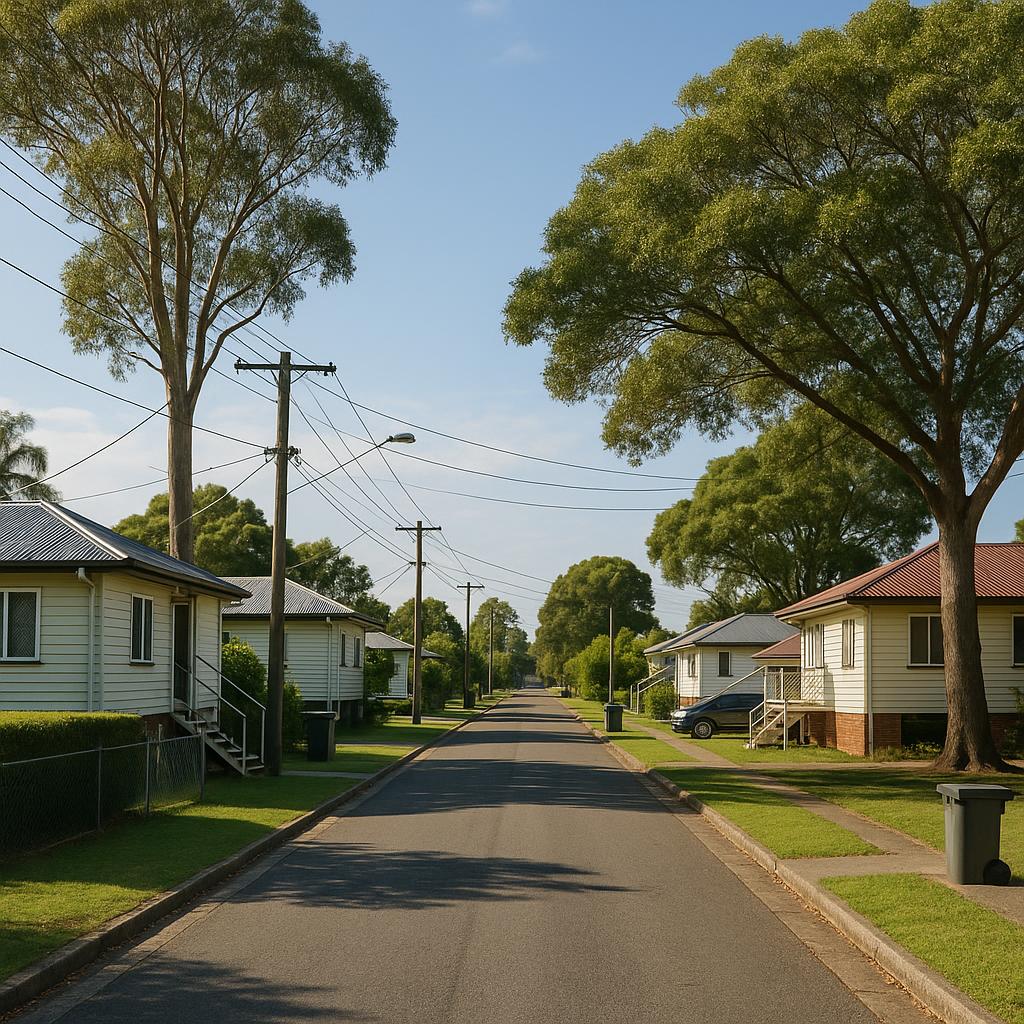
Logan Central sits in a practical part of the broader Logan corridor, with a role that is more service-oriented than prestige-led. That matters because the suburb tends to attract buyers who want access, affordability, and established housing rather than master-planned estate living. It is the kind of market where the property itself, the street, and the surrounding amenity mix can matter as much as the suburb name.
Market character is generally shaped by older housing stock, mixed presentation, and a wide range of buyer motivations. Some properties will suit renovators chasing improvement potential, while tidier homes may draw owner-occupiers wanting a simpler move. In this sort of suburb, one well-kept house can outperform another simply because it presents better, feels safer to inspect, or has fewer near-term repair concerns.
For investors and homeowners, the key is to read Logan Central as a micro-market. Compare comparable homes carefully, check the street context in person, and confirm whether the property’s condition and location genuinely support your intended use. That discipline is more important here than relying on generic suburb-level assumptions.
Buyer Demand
Buyer demand in Logan Central is usually driven by practicality. First-home buyers often look here when they want to stay within budget without moving too far from services. Investors may be drawn to the possibility of consistent rental enquiry, while renovators look for homes where a well-executed improvement plan can create uplift.
Demand tends to concentrate around properties that are easy to live in and easy to maintain. A tidy home with functional layout, usable outdoor space, and decent presentation will generally feel more competitive than a comparable home that needs obvious work. That means sellers and buyers both benefit from understanding what the market will pay for convenience, not just land or building age.
Rental Market
Logan Central can appeal to tenants who value everyday access and practical housing. That includes people who want to be close to shops, services, and road connections without paying for higher-cost suburbs. For many renters, the main question is not prestige but whether the home is straightforward, comfortable, and affordable to occupy.
For investors, the rental strategy should focus on durability and presentation. Older homes can work well if they are well maintained and easy to manage, but they may require more active oversight. A clean, functional property with simple landscaping and sensible finishes often performs better than a neglected home with the same floor plan, because tenants usually want move-in-ready convenience.
Lifestyle, Transport & Schools
Logan Central is a practical, service-oriented suburb rather than a lifestyle destination. That can be a strength for buyers who want day-to-day convenience, especially if they are balancing work, family logistics, and commuting. Access to food, retail, and essential services is part of the suburb’s appeal, even if it does not offer the polish of more expensive neighbourhoods.
Transport access matters here because it directly affects who wants to live in the suburb and how easily they can get to work or study. Buyers should check road access, public transport options, and parking practicality for the specific property, not just the suburb generally. A home with easier commuting options can be more attractive to both tenants and owner-occupiers.
Families should verify school zoning and nearby school options directly before purchasing. In a value-focused suburb, school convenience can still influence resale demand, even if the broader appeal is driven by affordability and access. Check the daily route, not just the map distance, because convenience, traffic, and crossing points all shape real-world livability.
Logan Central Suburb Profile
Official 2021 Census snapshot for the ABS Suburbs and Localities geography.
Age profile
Housing tenure
Occupied private dwellings by tenure type.
Salary & income profile
Median total income reported in the Census.
*Annual figures are weekly median × 52 estimates, not separate ABS annual medians.
Education & qualifications
Highest educational attainment, people aged 15+.
Employment status
People aged 15+ who reported being in the labour force.
Industry of employment
Top responses among employed people aged 15 years and over.
Occupation profile
Broad occupation groups among employed residents, including managers.
Property Type Guide
- Older detached houses: Best for buyers who want land, renovation potential, or a more traditional residential feel.
- Renovated homes: Best for owner-occupiers and investors who want fewer near-term jobs and easier tenancy appeal.
- Low-maintenance dwellings: Best for investors, downsizers, or time-poor buyers who value simplicity over larger blocks.
- Older stock needing work: Can offer upside, but only if the building condition and repair budget are realistic.
- Attached or duplex-style options: May suit buyers seeking practicality, though you should assess privacy, parking, and body corporate-style constraints where relevant.
Risks & Watch-Outs
- Street-by-street variation can materially affect both resale appeal and tenant enquiry, so inspect the immediate area carefully.
- Older homes may hide maintenance issues such as ageing services, moisture concerns, or deferred repairs that change the true purchase cost.
- Renovation plans can overrun quickly if the home needs more than cosmetic work, so budget conservatively and inspect thoroughly.
- Overcapitalisation is a real risk if upgrades exceed what comparable homes in the street or suburb can justify.
- Investor assumptions should be tested against current listings, local agent feedback, and realistic vacancy and maintenance allowances.
Nearby Suburbs to Compare
- Ipswich QLD Property Market Guide: Buyers & Investors
- Redbank Plains QLD Property Market Guide: Buyers & Investors
- Ripley QLD Property Market Guide: Buyers & Investors
- Springfield Lakes QLD Property Market Guide: Buyers & Investors
- Mount Gravatt QLD Property Market Guide: Buyers & Investors
FAQ
Is Logan Central a good suburb for first-home buyers?
It can be, if your priority is affordability and access rather than a premium lifestyle feel. First-home buyers should focus on condition, street context, and any likely repair costs. A well-kept property in the right pocket may be better than a cheaper home needing substantial work.
Is Logan Central a good suburb for investors?
It can suit investors who understand practical, lower-to-mid-cost housing markets and are comfortable managing mixed stock. The key is selecting a property that is durable, easy to lease, and sensibly priced. Always verify current demand using live listings and local rental evidence.
What type of property is usually safest to buy in Logan Central?
There is no single safest property, but well-presented homes with functional layouts and manageable maintenance are usually easier to hold. If buying an older house, inspect the roof, drainage, services, and interior condition carefully. The best asset is one that matches your budget and time horizon.
How important is street selection in Logan Central?
Very important. In mixed suburbs, two properties with similar floorplans can perform differently because of neighbouring homes, traffic exposure, noise, and overall presentation. Walk the street, inspect at different times if possible, and compare several similar homes before deciding.
Should I renovate before renting or selling?
Only if the numbers make sense. Cosmetic improvements can help, but not every upgrade improves value equally. Prioritise repairs and presentation that buyers or tenants will clearly notice, and avoid overcapitalising on finishes that the local market may not reward.
Conclusion
Logan Central is a practical suburb for buyers who value access, affordability, and established housing over prestige. It can work well for investors, first-home buyers, and renovators, provided they treat it as a micro-market and inspect carefully. The smartest approach is to compare streets, test the numbers, and buy the best individual property for your strategy.
Sources & How to Verify
- Check current sold results and active listings on Domain so you are comparing Logan Central against live market evidence rather than outdated estimates.
- Use realestate.com.au to review rental listings, property features, and how similar homes are being marketed right now.
- Confirm planning, zoning, and local development information with Logan City Council before assuming a site can be improved, extended, or repurposed.
- Verify catchments and nearby school options through the Queensland school finder rather than relying on anecdotal advice or old listings.
- Check public transport routes and service patterns on Translink to understand how well the property supports commuting and day-to-day travel.
- Use ABS for broad demographic context, but pair it with on-the-ground inspection because suburb averages do not replace street-level reality.
- Ask a local property manager or sales agent about tenant demand, days on market, and what features are currently being rewarded in similar homes.
- Arrange a building and pest inspection, then verify any issues found with repair quotes so you can separate cosmetic work from structural cost.