Quick Answer
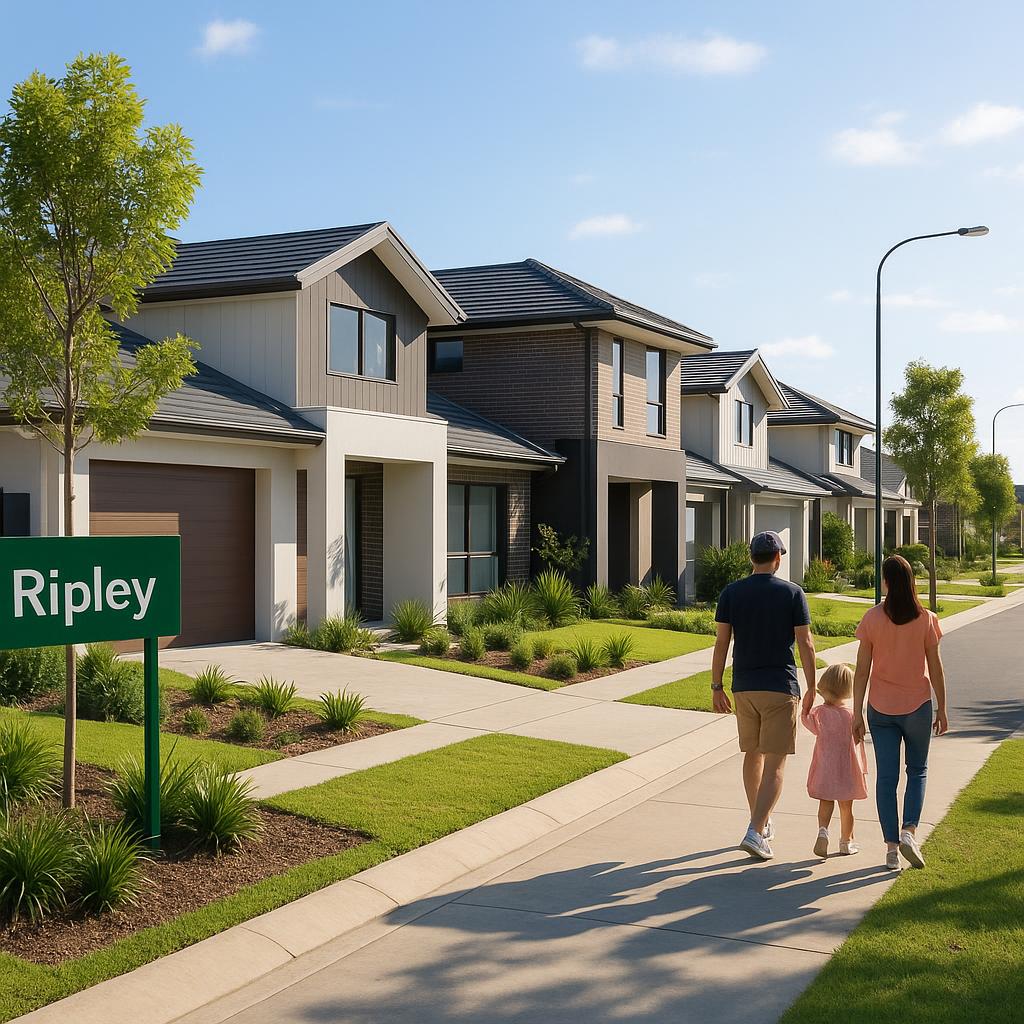
Ripley is best understood as a growth-corridor suburb with newer homes, family-oriented estates, and ongoing change rather than a fully mature lifestyle precinct. That makes it attractive to first-home buyers, upgraders, and investors who want broad appeal and low-maintenance housing, but less ideal for buyers seeking immediate rail convenience or an already finished urban feel. The key is to assess the exact pocket, estate maturity, and daily convenience rather than relying on the suburb name alone.
Key Takeaways
- Ripley sits in a major Ipswich growth corridor, so its value story is tied to expansion, amenity rollout, and estate maturity.
- Newer housing stock is a major drawcard for buyers wanting modern layouts, lower immediate maintenance, and family-friendly living.
- Investors should focus on practical homes with broad tenant appeal, not cosmetic upgrades that do little for leasing demand.
- Some pockets are still developing, so convenience, traffic flow, and surrounding construction can vary materially by street and estate.
- Ripley suits buyers who accept a suburb in transition and compare pockets carefully before deciding.
Pros & Cons
Cons
- venience and amenity can lag behind the suburb’s growth momentum.
Market Overview
Ripley is a rapidly evolving Ipswich-area suburb that has become strongly associated with new estates, detached housing, and family-oriented master planning. It appeals to people who want a newer home in a growth suburb, while still staying within reach of the broader Ipswich-Brisbane corridor. The market is best read as a suburb in stages: some pockets are more settled, while others remain visibly under development.
For property decisions, that means the suburb name alone is not enough. Value, livability, and resale strength can differ meaningfully between a street near existing amenity and one bordering future works or newer land releases. Buyers who understand the estate-by-estate picture are better placed to avoid paying for hype rather than fundamentals.
Ripley’s story is not about prestige; it is about transition. That can be positive for those chasing affordability and new-home stock, but it also means the suburb may not yet deliver the immediate polish of a fully established area. In practical terms, the best purchase is usually the one with the strongest day-to-day convenience, not simply the newest facade.
Buyer Demand
Buyer demand in Ripley typically comes from first-home buyers, young families, and upgraders who want more space and a modern home without moving into a higher-priced, more established suburb. Investors also watch the area because growth suburbs often attract a steady pool of renters who value new housing, functional layouts, and reasonable access to services.
The strongest demand usually sits with homes that feel easy to live in and easy to maintain. That means practical floorplans, usable outdoor space, and a street position that avoids obvious friction points such as active construction zones or awkward access. In a suburb like Ripley, the exact pocket can matter as much as the property itself.
Rental Market
Ripley’s rental appeal is generally linked to modern homes, family-friendly designs, and the ability to offer tenants a newer property in a growth suburb. Many renters are looking for low-maintenance living, secure parking, and layouts that work for households rather than highly customised or niche homes.
For investors, the lesson is simple: prioritise function over flash. Properties that are easy to maintain, easy to inspect, and easy for tenants to imagine living in tend to lease more smoothly. Before purchasing, verify current asking rents and vacancy conditions with live listings and local property managers, because leasing performance can shift quickly as supply changes across new estates.
Lifestyle, Transport & Schools
Lifestyle in Ripley is mostly estate-led. Buyers often choose it for newer homes, a family-oriented feel, and the chance to live in a suburb that is still taking shape. That can suit households that value space and fresh housing more than café culture or a dense walkable centre.
Transport planning matters here. In many parts of the suburb, driving is part of everyday life, so commute routes, peak-hour traffic, and school-run efficiency deserve a proper test before purchase. Families should also check current education options and any catchment or intake rules directly with official school sources, because these details influence both convenience and resale appeal.
Ripley is therefore best for buyers who are comfortable trading some immediacy in amenity for the benefits of a newer housing environment. If your lifestyle depends on walking to everything, this may be a compromise. If you want space, modern living, and a suburb still improving around you, the fit can be strong.
Ripley Suburb Profile
Official 2021 Census snapshot for the ABS Suburbs and Localities geography.
Age profile
Housing tenure
Occupied private dwellings by tenure type.
Salary & income profile
Median total income reported in the Census.
*Annual figures are weekly median × 52 estimates, not separate ABS annual medians.
Education & qualifications
Highest educational attainment, people aged 15+.
Employment status
People aged 15+ who reported being in the labour force.
Industry of employment
Top responses among employed people aged 15 years and over.
Occupation profile
Broad occupation groups among employed residents, including managers.
Property Type Guide
- Best for families: detached homes with functional floorplans, multiple bedrooms, and usable yard space.
- Best for investors: low-maintenance houses with broad tenant appeal, easy upkeep, and practical parking.
- Best for resale: homes in better-established pockets with stronger access to shops, schools, and main roads.
- Best for low maintenance: newer builds with durable finishes and simple landscaping, provided build quality is solid.
- What to prioritise: liveability, storage, street appeal, and orientation before cosmetic extras.
Risks & Watch-Outs
- Construction activity can affect noise, traffic, and the feel of the street for years in some pockets.
- Some buyers underestimate how car-dependent daily life can be in emerging suburban areas.
- A new home does not automatically mean a better investment if the location is awkward or oversupplied.
- Estate stage matters: one pocket may feel settled while another still looks and behaves like a worksite.
- Buyers should verify school access, transport routes, and future development plans before committing.
Nearby Suburbs to Compare
- Ipswich QLD Property Market Guide: Buyers & Investors
- Springfield Lakes QLD Property Market Guide: Buyers & Investors
- Amberley
- Augusta
FAQ
Is Ripley a good suburb for first-home buyers?
It can be, especially for buyers prioritising a newer home, family-oriented estates, and a growth-suburb entry point. The trade-off is that convenience may be less complete than in older suburbs, so inspect the exact pocket carefully.
Is Ripley suitable for property investors?
Yes, provided you focus on practical homes with broad tenant appeal and avoid overpaying for features that do not improve leasing outcomes. The key investment question is whether the property is easy to rent, maintain, and resell in its specific estate.
What type of property performs best in Ripley?
Generally, low-maintenance detached homes with sensible layouts, good parking, and usable outdoor areas are the most versatile. Properties that suit families and long-term tenants usually offer the broadest demand, especially when positioned well within the suburb.
Is Ripley fully developed yet?
No. Ripley is still evolving, and that is central to its identity. Some areas feel more settled than others, but many buyers will still notice ongoing change, construction, and infrastructure catch-up depending on the pocket they choose.
What should I check before buying in Ripley?
Check street-level amenity, surrounding development activity, traffic access, school convenience, and the quality of the home itself. Then compare multiple estates, because two nearby properties can offer very different day-to-day living outcomes.
Conclusion
Ripley suits buyers who are comfortable with a suburb still taking shape and want the benefits of newer housing, family appeal, and growth-corridor positioning. It can work well for both owner-occupiers and investors, but success depends on pocket selection, property type, and a realistic view of how developed the area is today.
Sources & How to Verify
- Check current listings on Domain to compare live asking prices, property types, and how quickly similar homes are being advertised.
- Use realestate.com.au to review current rentals and sold history so you can see how demand differs by street and estate.
- Review ABS data for broad population and housing context, but treat it as background rather than a substitute for live market evidence.
- Check Ipswich City Council for planning, infrastructure, and local project information that may affect future livability and access.
- Use Queensland Government education resources to confirm school information, catchments, and enrolment requirements before relying on assumptions.
- Look at Queensland Transport and Main Roads for road projects and access changes that could alter travel times or suburb convenience.
- Speak with local property managers to verify tenant preferences, vacancy pressure, and the kinds of homes leasing fastest in Ripley right now.
- Cross-check every market claim against at least two current sources, because growth suburbs can change quickly as new supply enters the market.