Quick Answer
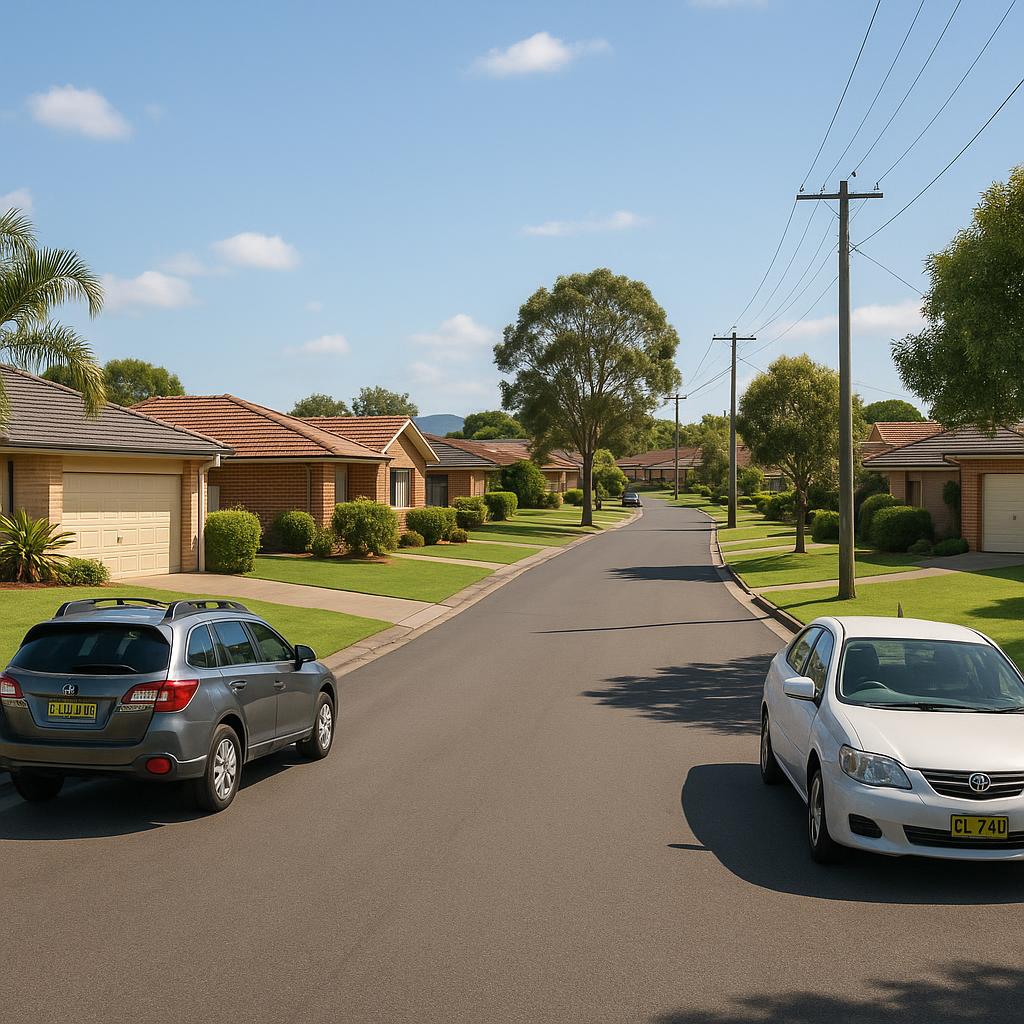
Albion Park in 2026 is best approached as a practical, family-led market with steady owner-occupier and rental demand rather than a headline-driven growth suburb. It can suit buyers who want more space, lower density, and everyday convenience within the Illawarra corridor. The strongest results usually come from choosing a well-located, low-maintenance property with broad resale appeal, then verifying site-specific risks such as drainage, slope, and access before you commit.
Key Takeaways
- Albion Park suits buyers prioritising liveability, usable space, and end-user demand over prestige or inner-urban convenience.
- Investors generally need to focus on broad appeal, maintenance control, and street-level quality rather than the suburb name alone.
- Families and upsizers often support demand because the suburb is easy to explain and practical to live in.
- Property type matters: detached homes, townhouses, and units can behave very differently at resale and lease-up.
- Due diligence on site conditions is essential, especially where drainage, flood exposure, or slope may affect costs and buyer confidence.
Pros & Cons
Pros
- Broad appeal for families, first-home buyers, and long-term renters
- More space and a more suburban feel than many denser alternatives
- Good fit for buyers who value practical living over premium lifestyle branding
Cons
- Some pockets need careful site and flood-related due diligence
- Commute dependence can be a constraint for certain buyers
- Not ideal for buyers seeking highly walkable, urban-style amenity
Market Overview
Albion Park sits in the broader Illawarra living pattern, where many households trade metropolitan proximity for more space, easier daily routines, and a lower-density feel. That positioning matters in 2026 because buyers are often more selective about liveability, energy efficiency, and maintenance burden than they were in earlier cycles.
The suburb’s market identity is practical rather than prestige-led. That tends to favour well-presented homes with functional layouts, solid parking, and straightforward access to daily services. If you are buying here, think in terms of resale depth and holding comfort, not just what looks good on a listing photo.
For investors, the key question is whether a property will appeal to a broad slice of the market over time. In Albion Park, that often means choosing homes and townhouses that are easy to maintain, easy to explain, and easy to rent or resell without niche buyer assumptions.
Buyer Demand
Demand is typically shaped by owner-occupiers first. Families, first-home buyers, and upsizers are usually drawn to the suburb for practical reasons: space, parking, yard usability, and a more settled residential environment. That end-user depth can help support demand through different market conditions.
Buyers in 2026 are likely to prioritise move-in-ready presentation, sensible floorplans, and homes that minimise immediate spending. A property that is tidy, functional, and well-located within the suburb will usually attract more interest than one relying on a story of “future potential” alone.
Rental Market
Albion Park’s rental appeal is strongest where a property offers easy living: good presentation, secure parking, practical storage, and a layout suited to couples or small families. For investors, that means tenant demand is more likely to reward sensible, low-friction homes than expensive features that do not improve day-to-day usability.
Likely tenant profiles include young families, local workers, and households who want more room than inner-ring rentals provide. If you are assessing an investment, check current advertised stock and comparable rentals to see whether your target property type is leasing quickly, and whether presentation or price is doing the heavy lifting.
Lifestyle, Transport & Schools
Albion Park’s lifestyle appeal is rooted in convenience and routine. It suits buyers who want a suburban base with everyday services nearby, rather than a high-density, café-led environment. That makes it especially relevant for households with children, vehicles, or hybrid work arrangements.
Transport and commuting should be assessed carefully. The suburb can work well for buyers whose work patterns are flexible or corridor-based, but road dependence matters. If your daily life depends on fast access to multiple destinations, test travel times at the hours you actually travel, not just on a map.
Schools, childcare, sports facilities, and health services can all influence family demand, even when buyers do not mention them first. The practical check is simple: confirm current school zones, nearby facilities, and service access directly before you buy, because those details often shape long-term buyer interest more than cosmetic upgrades do.
Property Type Guide
- Detached houses: Best for families and long-term buyers wanting land, privacy, and broad resale appeal. Watch maintenance, outdoor upkeep, and site-specific issues.
- Townhouses: Often suit investors and busy owners who want lower maintenance and easier day-to-day management. Check strata terms and resale depth.
- Units/apartments: Usually the entry-level option. They can be easier to hold, but family demand may be narrower than for houses.
- New estates: Attractive for buyers wanting modern layouts and reduced immediate maintenance. Compare estate fees, lot utility, and long-term character carefully.
- Established homes: Can offer land value and renovation upside, but condition, compliance, and site constraints deserve close inspection.
Risks & Watch-Outs
- Do not assume all streets or estates perform the same; access, aspect, and site condition can materially change buyer interest.
- Check drainage, flood exposure, slope, and retaining requirements early, because hidden site costs can erode apparent value.
- Be cautious with renovation assumptions if the property needs structural work, major reconfiguration, or significant outdoor remediation.
- A property may lease, but not necessarily at the same pace as more functional nearby alternatives, especially if parking or presentation is weak.
- Compare the home against real local substitutes, not just suburb averages, because street-level confidence often drives the final decision.
Nearby Suburbs to Compare
- Albion Park Rail — compare transport convenience and commuting trade-offs.
- Shellharbour — compare broader amenity and coastal access.
- Shell Cove — compare newer lifestyle positioning and master-planned appeal.
- Oak Flats — compare affordability, practicality, and family livability.
- Calderwood — compare newer estate stock and long-term suburb formation.
- Tullimbar — compare newer-community feel and property style preferences.
FAQ
Is Albion Park a good suburb to buy in 2026?
It can be a good buy if you want a practical, family-oriented suburb with broad demand and sensible holding characteristics. The best outcomes usually come from buying a property type and pocket that match real end-user demand, not from chasing speculation.
Is Albion Park better for home buyers or investors?
It often suits both, but for different reasons. Home buyers may like the space and liveability, while investors may prefer the suburb’s broad rental appeal. The key is choosing an asset that is easy to rent, easy to maintain, and easy to resell.
What property type is best in Albion Park?
Detached houses usually have the broadest family appeal, while townhouses can reduce maintenance pressure. Units may suit entry-level buyers, but they can have a narrower buyer pool. The best choice depends on budget, holding strategy, and exit market.
What should buyers check before purchasing?
Start with site conditions, including drainage, slope, and access. Then verify the home’s condition, parking, street appeal, and proximity to the amenities that matter to your household. For investors, also compare the likely tenant profile with current rental competition.
How does Albion Park compare with nearby suburbs?
Compared with some nearby alternatives, Albion Park is more about practical suburban living than coastal prestige or dense walkability. That can be a strength if you value space and usability. Always compare like-for-like properties across nearby suburbs before deciding.
Conclusion
Albion Park in 2026 is a suburb for buyers who value practicality, family function, and a steady market profile. It is not about hype; it is about selecting the right property, in the right street, with the right site conditions. If you buy with discipline and verify the details properly, it can be a sensible long-term holding area.
Sources & How to Verify
- Check current listings and sold examples on Domain to compare real asking prices, property types, and market presentation.
- Review recent sales evidence on realestate.com.au so you can see what is actually transacting in the suburb and nearby pockets.
- Use the NSW Planning Portal to confirm zoning, overlays, and any planning controls that may affect your intended use.
- Verify flood and hazard information through the relevant Shellharbour City Council resources before assuming a site is straightforward.
- Check the NSW School Finder for current catchment information rather than relying on old agent descriptions or hearsay.
- Use Transport for NSW to confirm service changes, route options, and practical commute connections.
- Consult the Australian Bureau of Statistics for broader demographic context, but avoid treating broad data as a substitute for street-level research.
- Speak with a local property manager or agent to verify leasing demand, tenant expectations, and maintenance costs for the exact property type you are considering.