Quick Answer
- Shelley, Western Australia is generally positioned as a premium riverside family suburb with strong appeal for owner-occupiers, long-term buyers, and lifestyle-led investors.
- Best fit: buyers who prioritise quality of life, established homes, access to the river, and school catchments over chasing entry-level affordability.
- Investment angle: the suburb tends to suit patient investors looking for lower-vacancy, tenant-demand stability, and capital-growth potential rather than high cash flow.
- Main decision point: compare the cost of entry against your goal—lifestyle security, rental retention, or future resale depth.
- What this guide covers: suburb snapshot, market drivers, buyer and investor scenarios, due diligence, and nearby-suburb comparisons.
Key Takeaways
- Shelley is often discussed as a family-friendly, amenity-rich, river-adjacent suburb with a mature housing profile.
- The market is typically influenced by owner-occupier demand, school access, lifestyle amenities, and proximity to riverside recreation.
- Investors should focus on quality dwelling type, land value, renovation potential, and tenant appeal.
- Homeowners should think about livability factors such as street character, access routes, and maintenance expectations.
- The suburb may be less suitable for buyers seeking low purchase prices or highly speculative short-term growth.
- Due diligence matters: verify zoning, flood considerations, strata conditions, renovation scope, and local planning changes.
Pros & Cons
Pros
- Strong lifestyle appeal with a calm, established residential feel
- Family-friendly reputation and broad owner-occupier interest
- Good long-term desirability due to location and amenity mix
- Mix of property types that can suit different buyer profiles
- Likely to attract tenants who value quality, convenience, and community feel
Cons
- Entry costs may be higher than more affordable outer suburbs
- Cash flow may be tighter for investors focused on yield
- Some stock may require upgrading or careful maintenance planning
- Not the best match for buyers prioritising rapid turnover or ultra-low purchase price
- Certain streets or homes may involve planning, drainage, or design constraints that need checking
Suburb snapshot
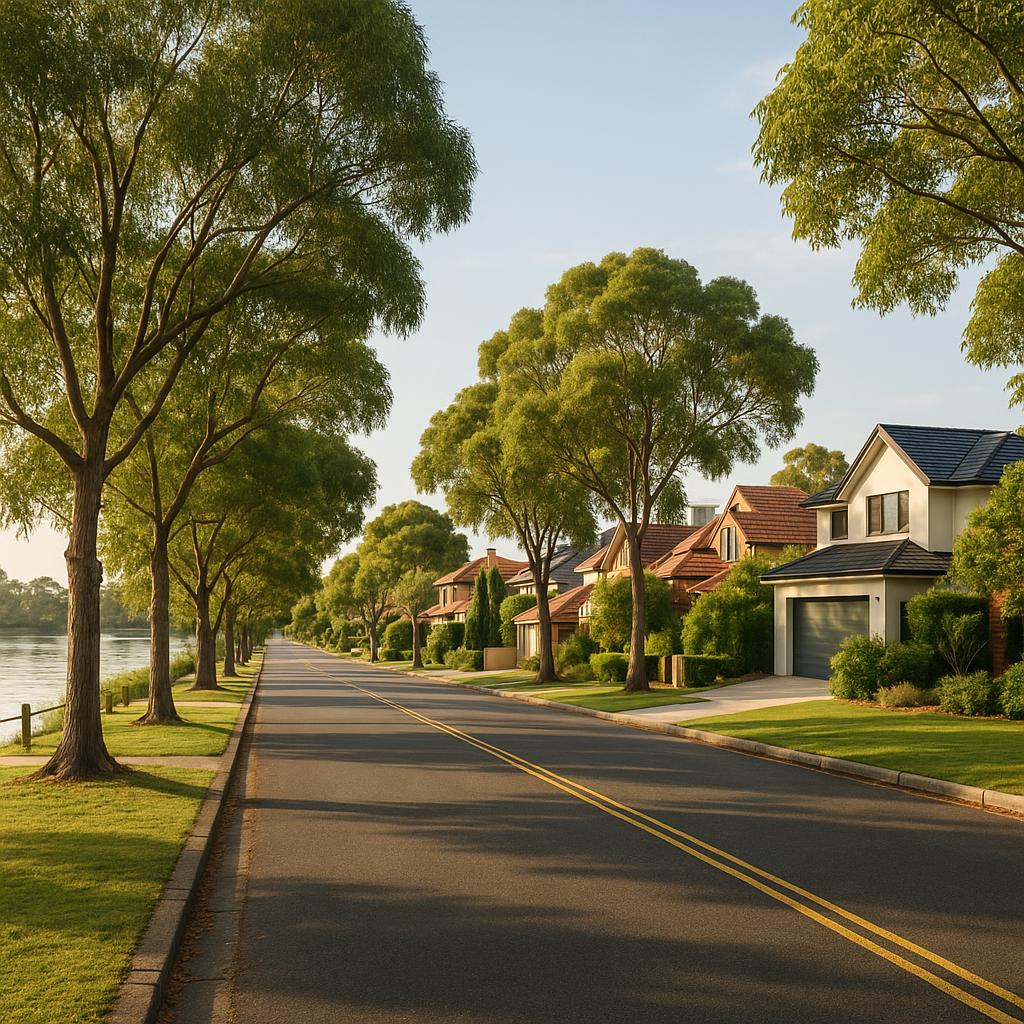
Shelley is known for its established residential character, river proximity, and family-oriented feel. In practice, that means buyers are often comparing street quality, block usability, home presentation, and access to daily amenities rather than simply chasing the cheapest available entry point. That profile usually supports a more selective market, where well-located, well-kept homes stand out.
If you are comparing Shelley with nearby lifestyle-led suburbs such as Mount Pleasant, Brentwood, or Rossmoyne, the practical question is whether you want a similar family-and-river lifestyle at a different price point, with different school access and housing stock.
1. Cost of Living Breakdown
Cost of living in Shelley is less about everyday surprises and more about the cumulative cost of living in a desirable suburb. Housing outgoings will usually dominate the budget: mortgage repayments or rent, council rates, insurance, maintenance, gardening, and periodic upgrades. Homes in established areas can also require more frequent attention to roofing, drainage, kitchens, bathrooms, and landscaping.
Transport costs depend on your work pattern. If you commute regularly, fuel, parking, vehicle wear, and time lost in traffic matter as much as distance. Families should also budget for school-related costs, activities, uniforms, childcare, and the practical expense of a busier household. Lifestyle spending can be moderate to high if you regularly use cafés, recreation, and outdoor leisure spaces.
Quick budget tip: build a monthly “true cost of ownership” sheet before you buy. Include maintenance, insurance, strata if relevant, and a contingency for unexpected repairs.
2. Lifestyle & Daily Life
Shelley’s lifestyle appeal comes from its quieter residential streets, access to riverside recreation, and the sense of being in a suburb that is designed for living rather than passing through. A typical weekday here may involve school drop-offs, a predictable commute, a home-based evening routine, and simple access to local conveniences. On weekends, buyers often value the combination of family time, outdoor activity, and low-friction errands.
This is the sort of suburb where the “daily life test” matters. If a home makes school runs easier, reduces noise, and feels comfortable for years rather than months, the premium can be justified for many households. That is also why presentation and street context matter so much: buyers are paying for calm, consistency, and the feeling of long-term fit.
3. Schools & Education
For many Shelley buyers, education is part of the value equation even when they are not actively chasing a particular school catchment. School access affects morning logistics, after-school routines, and overall family satisfaction. Rather than relying on rankings alone, assess how the suburb supports your routine: walking or driving time, road congestion at peak periods, and the ease of combining school travel with work and extracurricular commitments.
Because catchments and enrolment rules can change, verify current details through official school and Department of Education sources before making a purchase decision. If your plan is long-term family occupation, it is worth checking not just the nearest school, but also the broader education pathway you may need over the next five to ten years.
4. Transport & Commute Details
Shelley is generally better suited to buyers who are comfortable with a car-based lifestyle and want reasonably practical access to key employment and activity centres. As with many established Perth suburbs, commute time can vary materially depending on the route, time of day, and school traffic. Buyers should test the commute themselves rather than relying on map estimates alone.
For households with dual work patterns, the most important issue is predictability. A suburb can be attractive even if it is not the absolute closest option, provided it offers a commute pattern that is manageable day after day. That said, if you want to minimise daily travel stress, inspect the likely route during the morning and afternoon peaks.
Practical commute check: do one school-run style trip, one work-peak trip, and one off-peak trip before you buy. That gives you a realistic picture of access.
5. Property type guide
Shelley’s housing profile is typically most attractive to buyers seeking detached homes, established dwellings, and blocks that offer either comfort now or improvement potential later. In practical terms, the key question is not just “what can I afford?” but “what type of asset will hold demand from the broadest buyer pool at resale?”
Best for lifestyle buyers: move-in-ready homes with functional layouts, good outdoor areas, and minimal immediate maintenance.
Best for value-add investors: older but structurally sound homes with renovation upside, especially where the land, street, and orientation are strong.
Best for low-maintenance buyers: smaller, easier-care options or strata-managed properties where available, subject to reviewing levies and rules carefully.
Before focusing on cosmetic features, assess practical design: floorplan flow, storage, parking, outdoor usability, and whether the property will still suit you in five years. If you are comparing property styles across the western corridor, it can help to view Shelley alongside Wembley, Floreat, or Wembley Downs to understand trade-offs between land size, maintenance, and prestige.
6. Comparison with Other Areas
Shelley is often compared with other established suburbs where buyers are choosing between lifestyle quality, school access, and housing stock. Relative to more urban areas, Shelley generally offers a calmer residential experience. Relative to newer outer suburbs, it usually offers more mature amenity and a stronger sense of place. Relative to some nearby family suburbs, the difference may come down to block size, renovation potential, and commute convenience.
If your priority is affordability and newer housing, Shelley may not be the best fit. If your priority is an established, polished suburb with family appeal and long-run desirability, it becomes much more compelling. Buyers should compare not only price, but also likely maintenance burden, tenant demand, and how easily the property will resell to the next owner-occupier.
7. Rental Market Insights
Shelley tends to suit tenants who value space, stability, and presentation. The likely tenant pool is usually family-oriented or professional households seeking a quality suburban setting rather than the cheapest possible rent. For investors, that can translate into better tenant retention and less churn, although the trade-off is that immediate yield may be less compelling than in lower-priced suburbs.
The property itself matters more than the postcode label. A tidy, well-presented home with practical features can lease more efficiently than a dated property with the “right” suburb name. Investors should assess the likely tenant profile by home type: family tenants may want usable yard space and schooling convenience, while professionals may prefer low-maintenance living, good finishes, and a straightforward commute.
Investor view: in Shelley, the strongest rental case is usually about stable tenant demand, quality presentation, and lower vacancy risk rather than chasing maximum rent.
8. Future Growth & Development
Future performance in Shelley will be shaped less by one dramatic project and more by cumulative forces: broader Perth population growth, local amenity improvements, renovation activity, and ongoing desirability of established family suburbs. Premium suburbs often benefit when surrounding areas improve because they attract buyers who want a proven location with less risk.
It is also worth watching council planning, local infrastructure changes, and any land-use or road-network updates that could influence amenity or traffic patterns. Because project timing can change, verify current status with official planning and council sources rather than relying on articles or sales campaigns. A good suburb profile is not only about what exists today, but also how the surrounding precinct may evolve over the next several years.
9. Safety & Crime
Safety should be assessed carefully and objectively. Do not rely on hearsay, one-off anecdotes, or a single daytime inspection. Review official suburb-level or local government crime information where available, and visit the street at different times of day to understand activity, lighting, traffic, and general presentation. Suburb reputation and street-level experience are not always the same thing.
For buyers, the most practical approach is to inspect the immediate area on a weekday morning, after school hours, and in the evening. Look at parking pressure, noise, foot traffic, and how well properties are maintained. That gives you more useful insight than broad assumptions.
10. Who This Area Is Best For
Shelley is typically best for family buyers, upgraders, downsizers seeking comfort, and investors who are prepared to think long term. It suits people who want a suburb with established character, lifestyle value, and broad appeal at resale. It is less suited to buyers chasing the absolute lowest entry price or investors who need strong immediate cash flow.
Homeowner view: Shelley can work well if you want a home that supports a family routine, feels settled, and holds emotional and practical value over time.
Investor view: Shelley is more of a quality-demand and capital-preservation story than a high-yield story. Focus on the best asset you can secure, not just the best-looking listing.
11. FAQ
Is Shelley a good suburb to buy in for families?
Generally, yes. It is commonly attractive to families who want a quiet, established suburb with practical access to amenities and a strong lifestyle feel.
Is Shelley better for homeowners or investors?
It often leans more strongly toward homeowners and long-term investors than short-term yield-focused investors.
What property types tend to suit Shelley best?
Detached homes and well-positioned established properties usually make the most sense, especially where the land and layout support long-term use.
How should buyers compare Shelley with nearby suburbs?
Compare commute convenience, school access, housing condition, maintenance costs, and the likelihood of reselling to similar lifestyle buyers.
What should I inspect before buying in Shelley?
Check building condition, drainage, easements, zoning, outdoor usability, parking, and any strata documents if relevant.
Is Shelley more of a lifestyle suburb or an investment suburb?
It is primarily a lifestyle-led suburb, but that does not exclude investment value. It just means your return profile may be driven more by stability and capital growth than by immediate yield.
How do I verify schools, zoning, and planning changes?
Use official government and council sources, then cross-check with the property’s title documents and, where needed, professional advice.
Sources & how to verify
- ABS – Use for census-style demographic context and household composition.
- Landgate – Check property boundaries, titles, and cadastral information.
- WA Government – Find a public school – Verify school locations and current catchment-related information.
- WA Consumer Protection – Renting a home – Useful for landlord and tenant obligations.
- WA Department of Transport – Check transport and road-related updates.
- City of Canning – Review local planning, community facilities, and council updates relevant to Shelley.
- WA Police – Search for official safety and crime information where available.
- realestate.com.au – Compare current listings, sold trends, and rental competition.
- Domain – Cross-check asking prices, rental listings, and suburb-level market behaviour.
- Google Maps – Test commute routes, street access, and nearby amenity layout.
Due diligence checklist
- Confirm your purpose: home, upgrade, long-term hold, or rental strategy.
- Check zoning, easements, and any restrictions on extensions or redevelopment.
- Review flood, drainage, and site-specific conditions if the property is near low-lying or water-adjacent land.
- Inspect building condition: roof, moisture, plumbing, electrical, and structural integrity.
- Assess maintenance burden and factor in immediate repair costs.
- Review strata documents if applicable: levies, minutes, by-laws, insurance, and reserve funding.
- Test the commute and school run during peak periods.
- Compare with at least three nearby suburbs before making a final call.
Red flags / watch-outs
- Paying a lifestyle premium without checking the property’s fundamentals.
- Ignoring drainage, easements, or planning limitations because the home looks attractive.
- Assuming all well-located homes will rent equally well.
- Underestimating maintenance in older homes.
- Buying a property that does not suit your household in five years’ time.
- Expecting strong cash flow from a suburb that is primarily lifestyle-led.
Common mistakes
- Confusing suburb reputation with property quality.
- Using advertised rent as proof of actual achievable rent without checking comparable leased evidence.
- Skipping title and planning checks because the location feels “safe”.
- Overestimating renovation upside without inspecting site constraints.
- Failing to model holding costs, especially if the property needs upgrades.
Tools, templates & resources
- A comparison spreadsheet for three suburb alternatives and three property options.
- A monthly holding-cost template covering repayments, insurance, rates, maintenance, and contingency.
- A property inspection checklist covering structure, moisture, access, and usability.
- A commute test plan using peak-hour routes and school-run timing.
- A document checklist for title, strata, planning, and building records.
Internal links
- Mount Pleasant Property Market & Investment Guide 2026, Western Australia
- Brentwood Property Market & Investment Guide 2026, Western Australia
- Rossmoyne Property Market & Investment Guide 2026
- Wembley Property Market & Investment Guide 2026, Western Australia
- Floreat Property Market & Investment Guide 2026, Western Australia
- Wembley Downs Property Market & Investment Guide 2026
Conclusion
Shelley is most compelling for buyers who want lifestyle quality, established amenity, and a suburb profile that tends to appeal strongly to owner-occupiers. For investors, the main attraction is often tenant quality and long-term desirability rather than standout yield. The best Shelley purchase is the one that fits your life plan, budget, and exit strategy—not just the postcode.