Quick Answer
Port Hedland is a resource-linked regional market where housing demand is shaped by mining, port activity, FIFO patterns, and essential local services. That makes it more suitable for buyers who understand cyclical conditions and prioritise durable, low-maintenance housing over prestige features. For investors, the key is matching property type to tenant demand, keeping holding costs realistic, and checking insurance and maintenance exposure. For homeowners, practicality, cooling, and access to daily amenities matter more than cosmetic upgrades.
Key Takeaways
- Port Hedland rewards buyers who think in cycles, not just in headline sentiment.
- Local demand is tied to industry activity, logistics, and the workforce that supports them.
- Rental performance depends heavily on maintenance quality, comfort, and tenant fit.
- Low-maintenance properties usually make more sense than highly customised homes here.
- Always verify current sales, leases, insurance costs, and property condition before committing.
Pros & Cons
Pros
- Demand can be supported by major industry and service employment.
- Practical homes can appeal to both owner-occupiers and tenants.
- Well-located, durable properties may hold up better through market shifts.
Cons
- The market can move quickly with changes in industrial activity.
- Harsh coastal conditions can raise maintenance and insurance complexity.
- Some properties may have a narrow tenant pool or slower resale appeal.
Market Overview
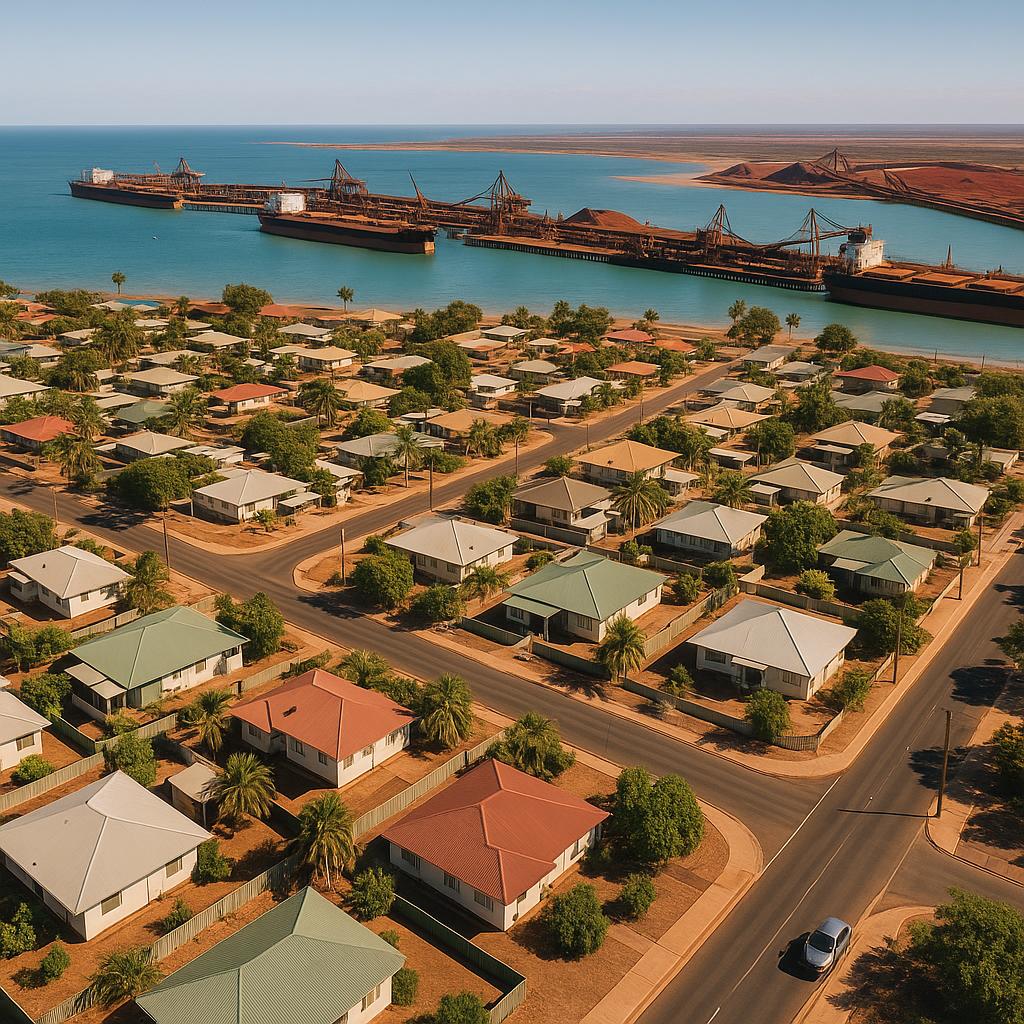
Port Hedland is best understood as a working regional centre rather than a lifestyle-led coastal suburb. Its housing market tends to reflect the needs of port-related operations, mining services, contractors, and public-sector roles. That means the strongest property decisions are usually practical ones: solid construction, sensible layout, and manageable upkeep.
For buyers, the important point is that demand can be uneven. When workforce needs are strong, suitable homes can be tightly contested; when conditions soften, properties with high maintenance or limited appeal can take longer to move. This is why local market context matters more here than generic regional commentary.
If you are assessing an address, ask what supports demand at that exact point in time: employment, access, tenant fit, and the cost of keeping the property in good order. A home that is easy to maintain is often a safer choice than one that simply looks impressive on paper.
Buyer Demand
Buyer demand in Port Hedland is typically driven by a mix of owner-occupiers with local ties, investors targeting workforce-led rental demand, and buyers diversifying away from metropolitan markets. In a market like this, the buyer pool often values function, durability, and access over novelty.
That matters because the property that is easiest to lease or resell later is usually the one that suits the widest practical audience. Think low-maintenance yards, cooling that actually works, decent parking, and layouts that support day-to-day living without expensive upkeep.
Rental Market
The rental market is closely linked to employment conditions, contractor activity, and local service roles. Tenants in Port Hedland commonly prioritise comfort, reliable cooling, easy parking, and a property that does not create constant maintenance headaches. In a high-wear environment, presentation helps, but durability matters more.
For investors, that means the best-performing property is not always the one with the biggest cosmetic renovation budget. A simpler home with a sensible floor plan and fewer repair triggers may be easier to lease, manage, and hold through a softer period than a flashier dwelling with ongoing maintenance costs.
Lifestyle, Transport & Schools
Day-to-day life in Port Hedland is shaped by practicality. Residents usually live around work patterns, weather, and access to essential services rather than a dense inner-urban amenity mix. That suits buyers who want a functional base and understand that regional living often depends on personal transport and planning.
Transport convenience matters because commuting, parking, and route access can affect both owner satisfaction and tenant demand. If you work shifts or move between sites, a property with straightforward access and secure parking can be more valuable than one with a nicer facade but awkward logistics.
For families, school access and nearby services can be an important part of the decision, but the better approach is to verify current catchments and childcare options directly rather than relying on outdated assumptions. Visit at different times of day to check traffic, noise, and how the location actually functions in real conditions.
Port Hedland Suburb Profile
Official 2021 Census snapshot for the ABS Suburbs and Localities geography.
Age profile
Housing tenure
Occupied private dwellings by tenure type.
Salary & income profile
Median total income reported in the Census.
*Annual figures are weekly median × 52 estimates, not separate ABS annual medians.
Education & qualifications
Highest educational attainment, people aged 15+.
Employment status
People aged 15+ who reported being in the labour force.
Industry of employment
Top responses among employed people aged 15 years and over.
Occupation profile
Broad occupation groups among employed residents, including managers.
Property Type Guide
- Houses: Often the most versatile option for families and long-term tenants, but inspect carefully for wear, drainage, and cooling performance.
- Smaller dwellings: Can suit singles, couples, or short-stay workers, with lower upkeep, though the tenant pool may be narrower.
- Newer builds: May offer simpler maintenance and stronger tenant confidence if construction quality and site drainage are sound.
- Older homes: Can provide value if structurally solid, but hidden repair costs can quickly erode the purchase advantage.
- Best-fit traits: Prioritise airflow, durable finishes, easy landscaping, and layouts that support practical everyday living.
Risks & Watch-Outs
- Market conditions can shift quickly with industry cycles, so avoid buying purely on short-term optimism.
- Coastal exposure, heat, and severe weather can accelerate wear and push up ongoing maintenance costs.
- Insurance and compliance should be checked early, because some properties are more expensive to hold than to buy.
- A narrow tenant pool can create vacancy risk, especially for highly specific or poorly located properties.
- Always inspect roof condition, drainage, cooling, and maintenance history before you make an offer.
Nearby Suburbs to Compare
- South Hedland
- Wedgefield
- Pretty Pool
- Karratha
- Broome
FAQ
Is Port Hedland a good place to buy property?
It can be, if you understand regional cycles and buy for the right use case. Port Hedland is usually better suited to informed buyers who prioritise property condition, tenant fit, and holding-cost control rather than chasing generic growth stories.
Is Port Hedland better for investors or owner-occupiers?
Both can work, but the decision depends on your priorities. Investors need strong due diligence around tenant demand, maintenance, and insurance. Owner-occupiers need a property that supports daily life, heat management, and access to services.
What type of property is usually easiest to manage?
Low-maintenance homes with durable finishes, straightforward layouts, and good cooling are often the easiest to manage. In a coastal regional environment, the less complicated the property is, the easier it tends to be to maintain and lease.
What should I inspect before buying in Port Hedland?
Focus on roof condition, drainage, weatherproofing, cooling, structural integrity, and the history of repairs. Also check insurance availability and cost early, because a property that seems affordable to purchase may be expensive to hold.
How do I reduce risk in this market?
Buy with a buffer, not at the limit of your comfort. Use local professionals, compare current listings and leases, and make sure the property still stacks up if demand eases or maintenance costs rise.
Conclusion
Port Hedland suits buyers who are comfortable with regional cycles and want a property that is practical, durable, and aligned to real local demand. The best outcomes usually come from disciplined buying: verify the numbers, inspect thoroughly, and choose a property that can perform in both stronger and softer conditions.
Sources & how to verify
- Check current listings and recent sold evidence on Domain to compare asking prices with real market activity.
- Use realestate.com.au to review current rentals, days on market signals, and the type of stock that is actually leasing.
- Review Australian Bureau of Statistics information on ABS to understand regional population and employment context before relying on anecdotes.
- Check local government planning and infrastructure updates through the Town of Port Hedland and related regional pages for current local context.
- Verify schooling options and catchments using the WA School Finder rather than relying on outdated third-party summaries.
- Confirm health and emergency service access via the WA Health website if proximity matters to your household or tenant profile.
- Discuss maintenance history, vacancy trends, and tenant demand with a local property manager, because practical leasing conditions can differ street by street.
- Always obtain building, pest, and insurance advice specific to the property, since site conditions and construction quality can materially change the risk profile.