Quick Answer
Mount Hawthorn is a tightly held inner-northern Perth suburb that suits buyers who want lifestyle, character, and close-in convenience. It generally appeals to owner-occupiers first, but it also has solid investor appeal because established inner-ring suburbs tend to attract consistent tenant interest. The main question is whether you are buying for long-term liveability and scarcity, or whether another nearby suburb offers better value, more space, or lower upkeep for your strategy.
Key Takeaways
- Mount Hawthorn suits buyers who value convenience, character, and amenity over brand-new housing or large blocks.
- Investors should focus on tenant fit, floor plan practicality, and low-maintenance presentation rather than chasing speculation.
- The suburb’s appeal comes from walkability, inner-ring access, established homes, and a strong local village feel.
- Limited supply can support competition, especially for well-presented homes in the most desirable pockets.
- Compare nearby suburbs if you want more land, newer stock, or a different balance between lifestyle and value.
Pros & Cons
Pros
- Close to the CBD and major employment hubs.
- Established streets with strong lifestyle appeal.
- Broad tenant interest from professionals, couples, and small families.
Cons
- Limited stock can mean more competition and fewer compromise-friendly options.
- Older homes may need ongoing maintenance or capital works.
- Busy roads, parking, and street-by-street variation can affect liveability.
Market Overview
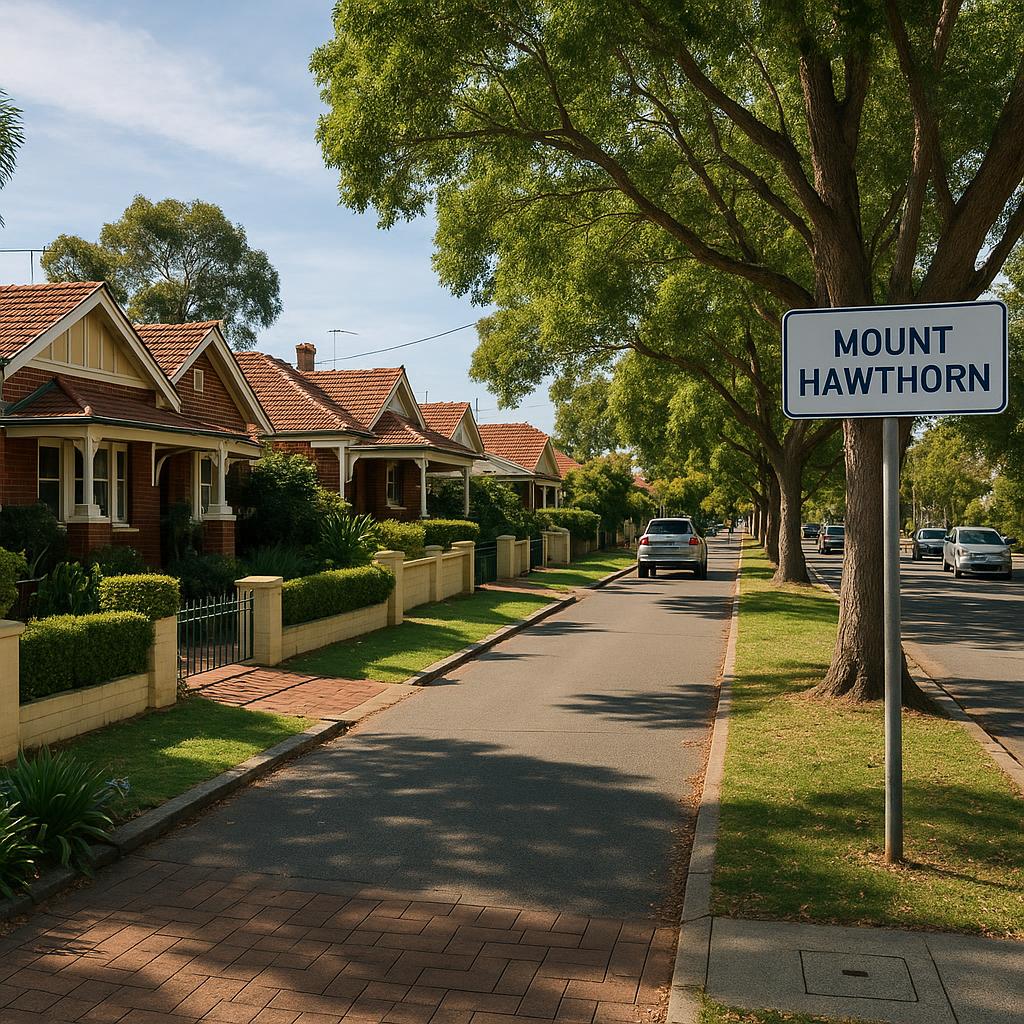
Mount Hawthorn is an inner-northern Perth suburb with a strong established feel, a recognised local centre, and a housing mix that leans heavily toward older character stock, renovated homes, and practical low-maintenance dwellings. That combination makes it attractive to buyers who want convenience and identity rather than a generic suburban setting.
In market terms, the suburb tends to behave like a destination location: buyers seek it out for lifestyle and proximity, while sellers often benefit from limited turnover. That does not mean every property is a strong buy; it means property type, presentation, and street quality matter more than broad suburb branding.
For investors and homeowners, the key is to assess whether the home suits the suburb’s core buyer base. In Mount Hawthorn, that usually means liveability, walkability, and low-friction daily life. A well-renovated home in the right pocket can feel very different from a tired property on a busier street, even if both sit under the same suburb name.
Buyer Demand
Demand is typically driven by owner-occupiers who want an established inner-city lifestyle, plus investors targeting tenants who prioritise convenience. The suburb’s appeal is not limited to one demographic, which helps underpin depth of demand when quality homes come to market.
Competition often centres on presentation and practicality. Buyers tend to respond strongly to homes with usable layouts, tidy outdoor space, parking that works in real life, and a feel that matches the suburb’s character. If you are bidding here, be clear about your non-negotiables before you inspect.
Rental Market
Mount Hawthorn is usually attractive to renters who want close-in convenience, amenity, and a more urban lifestyle. That often includes professionals, couples, and smaller households who value access and ease over maximum space.
For investors, the strongest rental prospects are usually properties that are easy to maintain and easy to live in. A sensible floor plan, good presentation, and practical parking can matter more than decorative upgrades. If you are assessing an investment, think about how quickly the property can be leased and how much ongoing upkeep it will require.
Lifestyle, Transport & Schools
The lifestyle appeal is a major part of the suburb’s value proposition. Mount Hawthorn has the sort of everyday amenity that supports both owner-occupier demand and renter interest, especially for people who want a suburb with personality rather than a purely functional address.
Transport access is another practical strength. The suburb is well placed for city access and wider inner-Perth movement, which matters for commuters and households with busy routines. Buyers should still test actual travel times from the specific street they are considering, because inner-suburb convenience can vary block by block.
School access can also be relevant for family buyers, but catchments and enrolment rules should always be checked directly with official education sources. Do not assume a property is inside the preferred intake area just because it is nearby. That verification step is essential before you pay a premium for a family-friendly location.
Mount Hawthorn Suburb Profile
Official 2021 Census snapshot for the ABS Suburbs and Localities geography.
Age profile
Housing tenure
Occupied private dwellings by tenure type.
Salary & income profile
Median total income reported in the Census.
*Annual figures are weekly median × 52 estimates, not separate ABS annual medians.
Education & qualifications
Highest educational attainment, people aged 15+.
Employment status
People aged 15+ who reported being in the labour force.
Industry of employment
Top responses among employed people aged 15 years and over.
Occupation profile
Broad occupation groups among employed residents, including managers.
Property Type Guide
- Character homes: Strong emotional appeal and street presence, but often higher maintenance and renovation sensitivity.
- Renovated houses: Best for buyers wanting move-in-ready convenience, provided the upgrades are functional, not just cosmetic.
- Villas and older units: Useful entry points for first-home buyers and investors seeking lower-maintenance ownership.
- Townhouses and newer low-maintenance stock: Often suit investors or busy owners who prioritise easy living and tenant appeal.
- How to choose: Match the property to your holding period, upkeep tolerance, and whether you value space, character, or simplicity most.
Risks & Watch-Outs
- Do not overpay simply because the suburb is desirable; scarcity can create urgency that clouds discipline.
- Older homes may conceal maintenance issues, so building and pest checks matter more than cosmetic presentation.
- Street-by-street variation can be meaningful, especially around traffic, parking, and noise exposure.
- Renovated properties can look impressive while still having awkward layouts or poor long-term function.
- Investors should test whether the property suits the local tenant pool, not just whether it looks good online.
Nearby Suburbs to Compare
FAQ
Is Mount Hawthorn a good suburb for first-home buyers?
It can be, but affordability depends on property type and condition. Entry options often sit in units, villas, or smaller homes, so first-home buyers should weigh strata costs, renovation needs, and whether the layout suits long-term living.
Is Mount Hawthorn better for owner-occupiers or investors?
It tends to lean toward owner-occupiers because lifestyle and character are major drawcards. Investors can still do well if they focus on easy-to-lease property types, practical layouts, and low-maintenance presentation rather than trying to force a yield story.
What type of property is most suitable in Mount Hawthorn?
That depends on your goal. Character homes suit buyers who want charm and are comfortable with upkeep, while renovated homes, villas, and townhouses are often more practical for busy households or investors seeking simpler ownership.
What should buyers inspect most carefully?
Focus on layout, maintenance history, parking, street noise, and the quality of any renovations. In established suburbs, the difference between a great purchase and an average one often comes down to functional details rather than façade appeal.
How should I compare Mount Hawthorn with nearby suburbs?
Compare the type of housing, day-to-day amenity, commute convenience, and the level of maintenance you are willing to accept. A nearby suburb may offer more land, newer stock, or a different lifestyle at a similar budget.
Conclusion
Mount Hawthorn is a strong inner-Perth option for buyers who value convenience, character, and a suburb with real identity. It is best approached with clear goals: lifestyle-led owner-occupier, low-maintenance investor, or long-term hold. The best outcomes usually come from focusing on street quality, property condition, and fit for purpose rather than relying on suburb reputation alone.
Sources & how to verify
- Check current listings and sold examples on Domain to understand how Mount Hawthorn homes are being priced and presented right now.
- Review active rentals on realestate.com.au to gauge the current tenant-facing stock mix and the kinds of features that are advertised most often.
- Use ABS suburb and local area data to understand broad demographic and dwelling trends, but avoid relying on outdated snapshots alone.
- Confirm zoning, local planning, and development controls through WA Planning or the City of Vincent before assuming future change potential.
- Check school intake and enrolment details with the official WA public school catchment information rather than relying on proximity.
- Verify travel convenience using Transperth and road planning information so you understand real commuter access from the specific property.
- Inspect strata records, body corporate documents, and building reports where relevant, because low-maintenance titles can still hide costly restrictions or repair obligations.
- Speak with a local licensed agent or buyer’s agent for current street-level context, because suburb averages never tell the full story of a single property.