Quick Answer
- Joondanna is an emerging suburb in Western Australia.
- Ideal for both investors and homeowners due to affordability and potential growth.
- Proximity to the city and amenities enhances its appeal.
Key Takeaways
- Diverse investment opportunities in a growing area.
- Rising demand fuels property prices.
- Strong local community with amenities and schools.
- Important to assess market conditions before investing.
Pros & Cons
Pros
- Accessible transport links.
- A growing community with modern amenities.
- Proximity to Perth and recreational areas.
Cons
- Competition in the property market.
- Potential for fluctuations in property values.
- Need for thorough due diligence.
Suburb snapshot
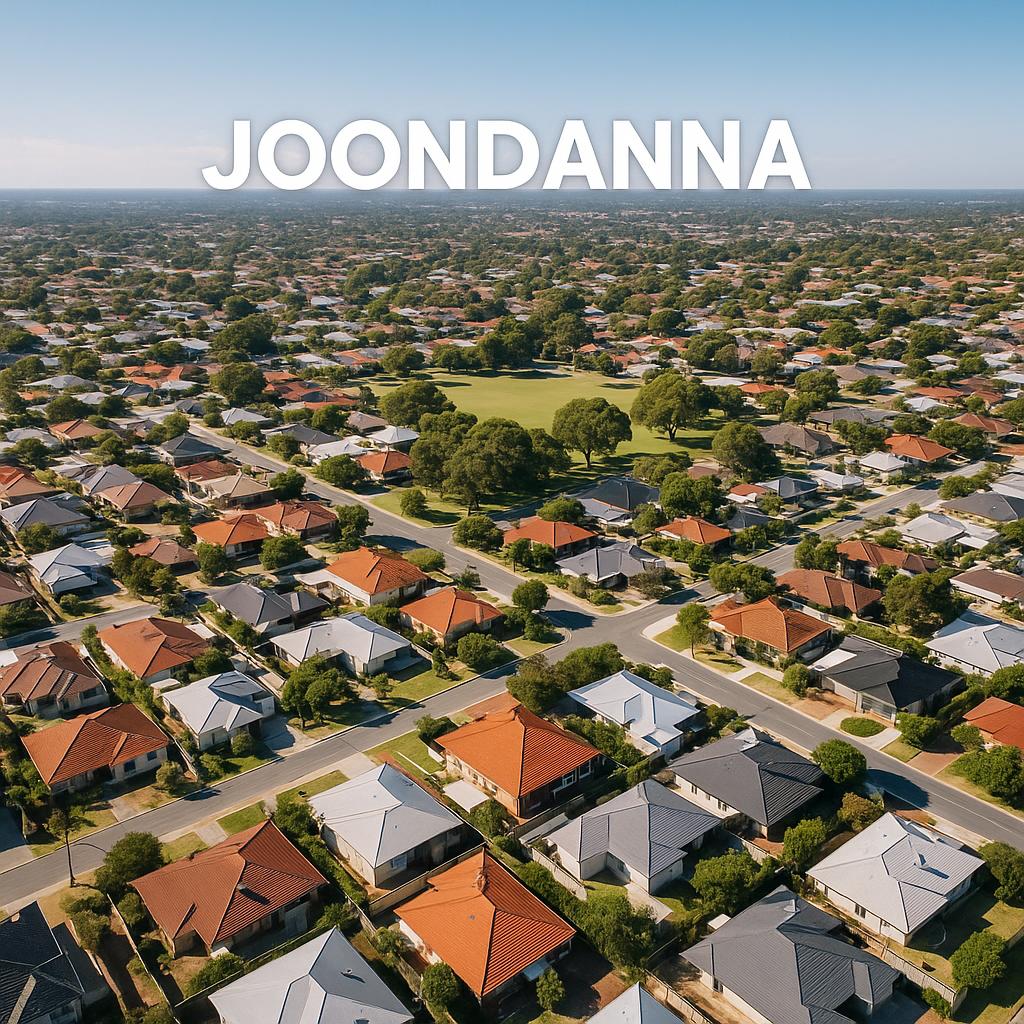
Joondanna is a suburb located approximately 8 km north of Perth’s CBD, known for its family-friendly atmosphere and vibrant community. Originally developed in the mid-20th century, it has evolved due to significant infrastructure investments and increasing interest from homebuyers and investors alike. Its demographics are shifting towards young families and professionals seeking proximity to urban amenities.
Investor view
The current rental yield in Joondanna generally falls within the range of 4-5%, which is competitive within the Perth market. Investors have reported that properties in Joondanna tend to appreciate steadily, often outperforming adjacent suburbs.
For comparative insights, investors might find Nollamara, Glendalough, and Gwelup of interest due to their proximity and similar demographic profiles.
Homeowner view
Homeowners will find Joondanna’s housing prices more affordable compared to western suburbs, making it a feasible choice for young families and first-time buyers. Local parks, schools, and shopping centers contribute to a high quality of life.
Market drivers
Market dynamics in Joondanna are driven by continued infrastructure upgrades, including road improvements and public transport developments, which enhance accessibility. Furthermore, there’s a noticeable influx of residents seeking a balanced urban-suburban lifestyle. Population growth, partly influenced by interstate migration, also supports demand for housing.
Cost of Living Breakdown
- Housing costs: Generally lower than the Perth average, making both renting and buying attractive.
- Utilities: Average utility bills hover around $300-$400 monthly.
- Groceries and other expenses are comparable to Perth averages but can vary based on lifestyle choices.
Transport & commute
Joondanna offers excellent transport options, including bus services and easy access to major highways. The average commute time to Perth’s CBD is approximately 20-30 minutes, making it viable for professionals working in the city.
Property type guide
The suburb primarily features a mix of single-family homes, townhouses, and apartments. Investors should note that three-bedroom homes are in high demand, often seen as the most sought-after property type. Townhouses and units generally appeal to investors looking for lower maintenance options, making them popular among young professionals.
Rental market insights
Current rental demand in Joondanna remains robust, with an increasing number of renters attracted to the suburb’s amenities and lifestyle. Typical renters tend to include young families and professionals, positively affecting vacancy rates.
Schools & education
Joondanna has a range of educational institutions, both public and private, catering to various age groups. Additionally, proximity to TAFE and universities in Perth makes it appealing for families looking for educational support.
Lifestyle & daily life
The suburb is known for its community-centric lifestyle, featuring parks, cafes, and local shops. Regular community events and a variety of restaurants enhance the local living experience.
Comparison with nearby suburbs
Analysing Joondanna against suburbs like Connolly and Edgewater, Joondanna tends to excel in terms of lifestyle offerings, yet may lag behind in some property valuations.
Future growth & development
With ongoing infrastructure enhancements and increasing urban development, Joondanna is well-positioned for future growth. Predictions indicate potential property value appreciation as developments unfold.
Safety & crime
Overall, Joondanna maintains a safe community environment, though it’s essential to consult local law enforcement statistics for the most current data. Resources like Crime Stoppers and local police reports can provide valuable insights into safety trends.
Who This Area Is Best For
Joondanna appeals to young professionals, families seeking affordable housing, and retirees looking for a quieter lifestyle with access to amenities. Its community-oriented culture is a significant draw for all demographics.
Due diligence checklist
- Review recent property sales data.
- Research local schools and amenities.
- Consult council plans for future developments.
- Check property history and zoning regulations.
- Understand rental demand and vacancy rates.
- Assess transport options and commute times.
Red flags & watch-outs
- Be wary of over-inflated property prices due to speculation.
- Monitor market trends to avoid timing risks.
- Prioritize thorough inspection reports before purchasing.
- Stay informed about any proposed negative developments.
FAQ
- What is the average rental yield in Joondanna? Current yields generally range from 4% to 5%.
- How do property prices in Joondanna compare to Perth? Joondanna is generally more affordable than many western suburbs.
- Are schools in Joondanna good? Yes, there are various educational options available, including highly-rated facilities.
- What is the average commute to Perth? Commute times are typically between 20-30 minutes.
- Is Joondanna a safe suburb? Yes, Joondanna is generally considered safe, but it’s wise to check current crime statistics.
- Who are the typical renters in Joondanna? Young families and professionals are the primary rental demographic.
- What amenities are available? Residents enjoy cafes, parks, and community events, enhancing daily life.
Sources & how to verify
- Australian Bureau of Statistics (ABS) – for demographic and economic data.
- Perth Now Real Estate – for property listings and recent sale prices.
- Crime Stoppers WA – for safety and crime data.
- WA Department of Education – for school information.
- Transport WA – for public transportation and infrastructure updates.
- Western Australia Government – for local planning and development data.
- Realestate.com.au – for property trends and analysis.
- Domain.com.au – for housing market insights.