Quick Answer
East Victoria Park is a well-located inner-southern Perth suburb that suits buyers who want convenience, lifestyle amenity, and access to the CBD without moving into a high-rise core. It often appeals to owner-occupiers, first-home buyers, and investors because the housing mix is varied and tenant demand is typically supported by location rather than land size alone. The best purchase here is usually the one that matches your goal: character, low-maintenance, or value-add.
Key Takeaways
- Inner-location convenience is a major draw, especially for buyers who value commute ease, everyday amenity, and urban lifestyle access.
- The suburb offers a mixed housing stock, so buyer competition can differ sharply between character homes, townhouses, and apartments.
- Tenant appeal is broad, which can help investors, but the strongest prospects usually come from well-presented, practical dwellings.
- Micro-location matters here: traffic, parking, noise, and proximity to amenity can materially affect livability and resale appeal.
- Due diligence on strata, maintenance, and renovation quality is essential because not every property in the suburb performs the same way.
Pros & Cons
Pros
- Strong location convenience for commuting and day-to-day living.
- Broad appeal across owners, downsizers, professionals, and investors.
- Housing diversity creates multiple entry points and strategy options.
Cons
- Well-presented homes can attract competition and reduce negotiation room.
- Older stock may need ongoing maintenance or renovation budgeting.
- Strata properties can bring levies, rules, and building-condition risk.
Market Overview
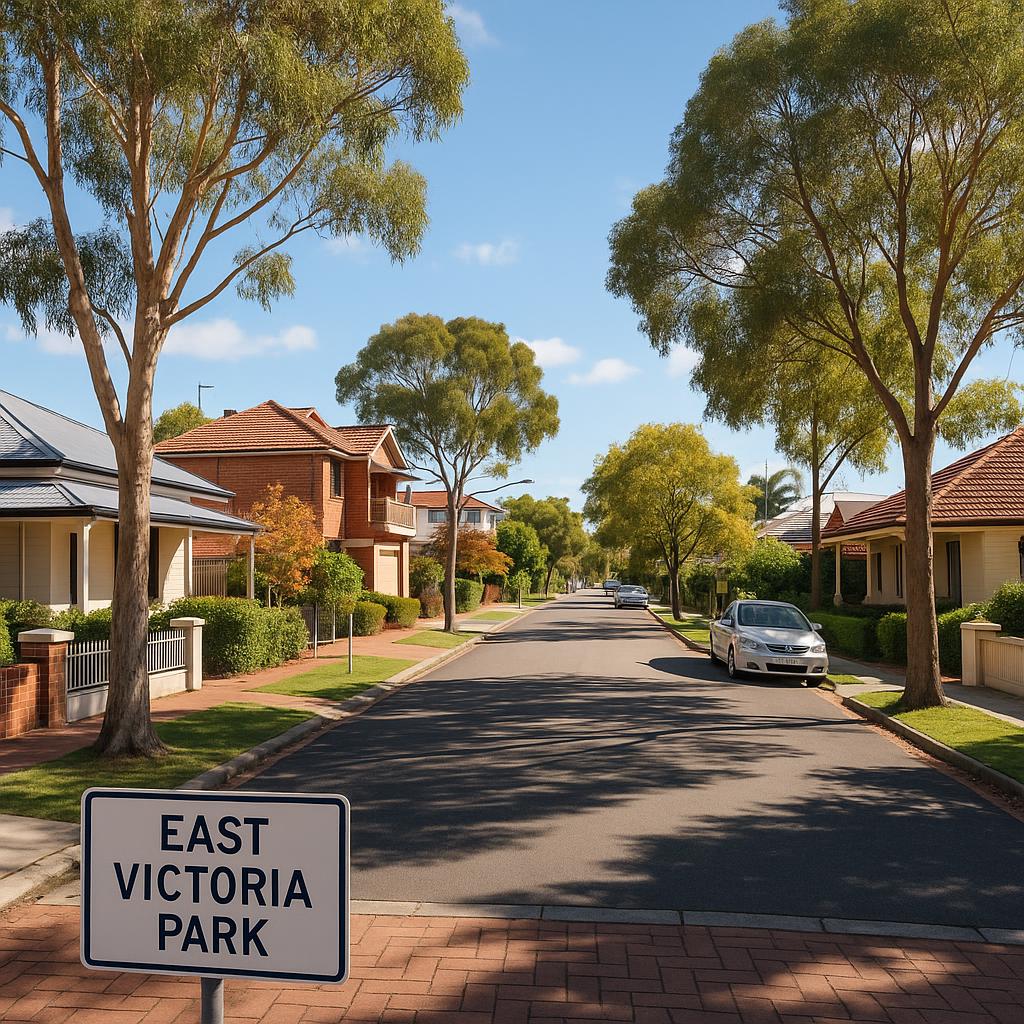
East Victoria Park is an established inner-southern Perth suburb where location often carries more weight than block size. That tends to favour buyers who want access to the city, nearby employment areas, and a suburban setting with strong everyday convenience. The local market is usually shaped by dwelling type, presentation, and street position as much as by the suburb name itself.
For homeowners, that means the “right” property could be a character home that needs work, a renovated dwelling ready to move into, or a low-maintenance townhouse. For investors, the practical question is whether the asset will attract tenants seeking ease, connectivity, and amenity. In a suburb like this, good buying often comes down to choosing the right pocket and the right format.
East Victoria Park can suit different strategies, but it rarely rewards a generic approach. A buyer comparing two properties may find that a smaller, better-located townhouse outperforms a larger but less convenient home in the wrong spot. The key is to assess how the property fits local demand, not just the broader Perth market.
Buyer Demand
Demand is typically supported by a mix of first-home buyers, owner-occupiers, downsizers, and investors. That diversity matters because it widens the pool of potential future buyers, especially for homes that are well maintained and easy to live in. Properties that reduce friction—parking, storage, layout, and low upkeep—often stand out.
The strongest interest usually goes to properties that match the suburb’s convenience-led profile. Buyers are often comparing commute time, access to amenity, and the amount of maintenance they are willing to take on. A renovated home or neat strata dwelling may attract faster attention than a property needing heavy work, even if the latter has more upside on paper.
Rental Market
From an investor perspective, East Victoria Park can be appealing because it offers a tenant base that values location, not just size. That often includes professionals, couples, small households, and some students or workers connected to nearby employment and education nodes, depending on the property type and exact position.
Rental performance is usually helped by practical features: easy access, usable layouts, secure parking, and low-maintenance living. Investors should verify current asking rents and vacancy conditions with local property managers and live listings rather than relying on broad suburb assumptions. In strata buildings, the quality of management can be just as important as the floor plan.
Lifestyle, Transport & Schools
East Victoria Park’s lifestyle appeal comes from convenience and amenity. Buyers often like being able to access dining, cafés, daily services, and parks without long drives. That makes the suburb attractive to people who want an urban feel while still living in an established residential area.
Transport access is a major part of the value proposition. Road connections and public transport options can reduce commuting friction and support both resale and rental demand. Buyers should test drive times at peak periods and check how close the property is to reliable transport options, because the difference between “close enough” and genuinely convenient can be significant.
For families, schools and childcare access are important, but catchments and suitability should be confirmed through official sources before making a decision. The practical day-to-day question is often broader than school reputation: can the family manage drop-offs, commuting, errands, and after-school activities without overcomplicating the week?
East Victoria Park Suburb Profile
Official 2021 Census snapshot for the ABS Suburbs and Localities geography.
Age profile
Housing tenure
Occupied private dwellings by tenure type.
Salary & income profile
Median total income reported in the Census.
*Annual figures are weekly median × 52 estimates, not separate ABS annual medians.
Education & qualifications
Highest educational attainment, people aged 15+.
Employment status
People aged 15+ who reported being in the labour force.
Industry of employment
Top responses among employed people aged 15 years and over.
Occupation profile
Broad occupation groups among employed residents, including managers.
Property Type Guide
- Character homes: Offer charm and renovation upside, but budget for maintenance, dated services, and inspection surprises.
- Renovated homes: Suit buyers wanting move-in readiness, though you should still check for hidden defects behind the finish.
- Townhouses and villas: Often appeal to downsizers and busy professionals who value easy-care living over land size.
- Apartments: Can work well for first-home buyers and investors, provided strata health, soundproofing, and parking are satisfactory.
- Value-add opportunities: May suit experienced buyers, but only if planning, build constraints, and holding costs are understood.
Risks & Watch-Outs
- Not every pocket of East Victoria Park behaves the same, so inspect the exact street and immediate surrounds carefully.
- Older homes can hide maintenance issues, especially around roofs, plumbing, drainage, and wiring.
- Strata properties require close review of levies, by-laws, insurance, and long-term maintenance planning.
- Busy roads, traffic noise, or nightlife activity may affect comfort in some locations.
- Parking and access can materially influence both resale appeal and tenant satisfaction.
Nearby Suburbs to Compare
- Lathlain
- Kensington
- Carlisle
- Victoria Park
- Burswood
FAQ
Is East Victoria Park good for first-home buyers?
Yes, it can be a strong fit for first-home buyers who prioritise convenience, character, and access to city-fringe amenity. The main trade-off is that well-located properties may be competitive, so buyers should keep their brief clear and focus on livability.
Is East Victoria Park good for investors?
It can be, especially for investors seeking broad tenant appeal and a location-led strategy. The best results usually come from properties that are easy to lease and maintain, with practical layouts, secure parking, and a careful review of strata or maintenance obligations.
What type of property is usually best to buy here?
That depends on your goal. Character homes suit value-add buyers, townhouses suit low-maintenance owner-occupiers, and apartments can suit investors or entry-level buyers. The best asset is the one that matches your budget, risk tolerance, and ownership style.
What should buyers inspect most carefully?
Check maintenance condition, parking, noise exposure, and any strata documentation if applicable. For older homes, look beyond cosmetic presentation and ask about plumbing, wiring, drainage, roof condition, and whether any recent works were done properly and with permits if required.
How should I compare East Victoria Park with nearby suburbs?
Compare commute convenience, property type, renovation quality, and the level of amenity you actually use. Nearby suburbs can offer similar access with different streetscapes, housing stock, and buyer competition, so the decision should be based on your use case, not just the postcode.
Conclusion
East Victoria Park is best viewed as a convenience-led, inner-southern suburb with broad appeal rather than a one-size-fits-all market. Buyers and investors who match the right property type to the right micro-location are more likely to make a sound decision. As always, verify current conditions before making an offer.
Sources & how to verify
- Check current listings and sold results on Domain to verify how the market is pricing different property types right now.
- Review active rental listings on realestate.com.au to understand asking rents, tenant competition, and the quality of stock available.
- Use the Australian Bureau of Statistics to confirm broad demographic and housing data rather than relying on anecdotal suburb impressions.
- Check local planning and development controls through the Town of Victoria Park website before assuming extension or redevelopment potential.
- Verify zoning and land-use restrictions with WA Planning so you understand what may be possible on the site.
- Confirm school zones and enrolment rules using the WA Department of Education rather than third-party summaries.
- Ask for strata documents, including levies and meeting minutes, if the property is in a complex, because building costs and governance can materially affect ownership outcomes.
- Obtain a local property manager’s appraisal and compare it with live listings so your rental expectations are grounded in current market evidence.