Quick Answer
Canning Vale is generally a strong fit for buyers who want a practical, family-oriented suburb with established housing, everyday amenity access, and room to make a long-term home. For investors, the appeal is usually in broad tenant demand rather than headline-grabbing scarcity, so the key is choosing the right property type, pocket, and presentation. It suits people who prioritise livability, commute practicality, and low-friction day-to-day routines over inner-city character or lifestyle prestige.
Key Takeaways
- Canning Vale tends to attract family buyers, upgraders, and investors who value functionality over flash.
- The suburb’s appeal is strongest when the home matches local buyer expectations for space, parking, and practical layouts.
- Demand can vary noticeably by pocket, so street-level due diligence matters more than suburb-level assumptions.
- Rental appeal is usually linked to convenience, low-maintenance living, and suitability for long-term household occupation.
- Buyers should compare Canning Vale with nearby southern suburbs to test commute, school access, and property type trade-offs.
Pros & Cons
Pros
- Broad appeal across families, owner-occupiers, and long-term investors
- Established suburban amenity that supports everyday livability
- Good fit for buyers seeking functional homes and usable space
Cons
- Not every pocket offers the same level of quiet, convenience, or resale strength
- Some stock is ordinary, so presentation and layout can heavily influence buyer interest
- Maintenance and holding costs can rise on larger homes or older properties
Market Overview
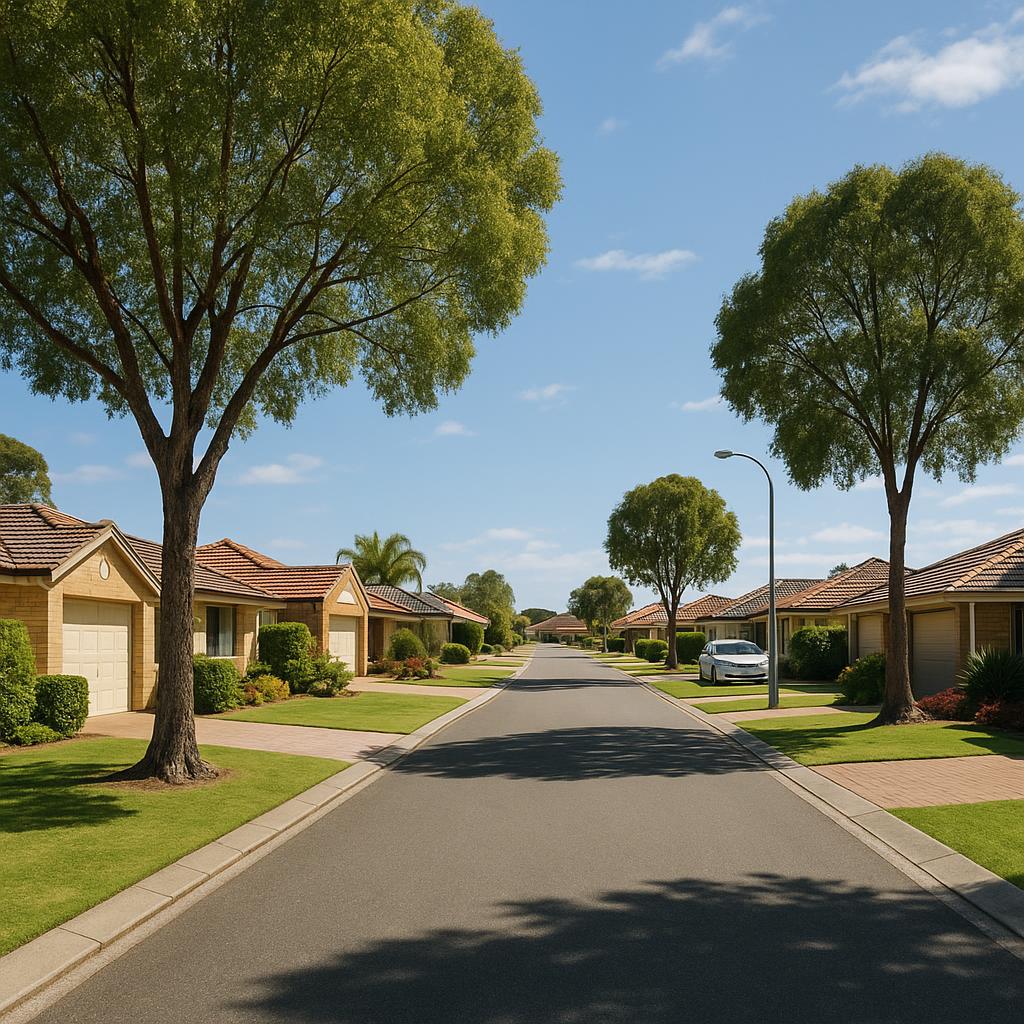
Canning Vale is a large, established southern Perth suburb with a reputation for practical family living and a broad housing mix. That scale matters: different streets and estates can feel quite different in terms of age of housing, block size, traffic exposure, and proximity to daily services. For buyers, the main question is less “Is Canning Vale good?” and more “Which pocket and which property type best suit my goal?”
The suburb is typically most attractive to households seeking liveability, routine convenience, and space that still sits within a reasonable commuting framework for Perth’s southern corridor. It is often a suburb people choose with long-term occupation in mind, which can support more stable demand than a purely speculative market. For investors, that means the key is not chasing a generic suburb story, but matching the property to the most likely tenant profile.
Canning Vale is also a suburb where presentation can matter as much as location. A well-kept, move-in-ready home with a practical floorplan will usually create more buyer competition than a similar property needing cosmetic work, landscaping, or functional upgrades. In other words, the suburb gives you a solid base; the property itself still does the heavy lifting.
Buyer Demand
Buyer demand in Canning Vale is usually driven by families, upgraders, and owner-occupiers looking for more space than they would get closer to Perth’s inner suburbs. That creates a wide buyer pool, which is generally helpful for resale, provided the property appeals to the mainstream household profile rather than a niche segment.
Homes that tend to draw stronger attention are those with sensible floorplans, enough bedrooms for family life, workable outdoor areas, storage, and parking that suits modern household routines. Buyers often value the practical details first: ease of use, low-maintenance upkeep, and access to the parts of the suburb that best support weekday life.
Rental Market
The rental market is usually underpinned by tenants who want a suburban base that works for family routines, commuting, and day-to-day convenience. That often favours homes with multiple bedrooms, secure yards, good parking, and layouts that make shared living easier. For landlords, the best-performing stock is usually the easiest to live in and maintain.
Investors should be selective about property type and condition rather than relying on the suburb name alone. A tidy home in a convenient pocket will usually lease more smoothly than a larger or cheaper property that feels awkward, outdated, or expensive to maintain. If you are assessing rent potential, verify current listings and leased results with up-to-date local sources rather than relying on stale estimates.
Lifestyle, Transport & Schools
Canning Vale’s lifestyle appeal is practical rather than flashy. It suits people who want access to parks, everyday services, retail, and family-oriented routines without needing an inner-city entertainment strip. That makes it particularly relevant for households balancing school runs, sport, shopping, and commuting in the same weekly schedule.
Transport decision-making is usually road-focused, so buyers should test real commute times rather than assuming a map-based travel estimate will hold up at peak hours. Public transport access may be a useful support factor, but most residents will still think in terms of driving convenience, traffic flow, and how easily the suburb connects to employment hubs.
School planning is an important part of buyer behaviour here, especially for families wanting long-term certainty. Rather than relying on informal reputations, confirm current catchments and school options directly before buying. For many households, the right school and a smoother weekday routine can be more valuable than a slightly shorter drive to the CBD.
Canning Vale Suburb Profile
Official 2021 Census snapshot for the ABS Suburbs and Localities geography.
Age profile
Housing tenure
Occupied private dwellings by tenure type.
Salary & income profile
Median total income reported in the Census.
*Annual figures are weekly median × 52 estimates, not separate ABS annual medians.
Education & qualifications
Highest educational attainment, people aged 15+.
Employment status
People aged 15+ who reported being in the labour force.
Industry of employment
Top responses among employed people aged 15 years and over.
Occupation profile
Broad occupation groups among employed residents, including managers.
Property Type Guide
- Detached family homes: Best for buyers wanting space, privacy, and stronger day-to-day functionality. Check block size, garden upkeep, and whether the layout genuinely suits family living.
- Townhouses or villa-style homes: Often suit first-home buyers, downsizers, and investors seeking lower maintenance. Confirm ownership structure, ongoing costs, and parking practicality.
- Older homes: Can offer value if the floorplan and location are strong, but budget for upgrades, repairs, and possible energy-efficiency or presentation improvements.
- Renovated homes: Usually appeal to a wider buyer pool because they reduce friction. Quality matters more than cosmetic style; inspect workmanship, not just finishes.
- Investor-focused stock: Prioritise easy-care dwellings with broad tenant appeal, sensible layouts, and manageable upkeep rather than chasing the largest home on the street.
Risks & Watch-Outs
- Do not assume every pocket performs the same, because road exposure, estate feel, and amenity proximity can change buyer demand quickly.
- A property that looks good online may still underperform if the floorplan is awkward, the yard is high-maintenance, or parking is limited.
- Older homes can be appealing, but maintenance, compliance, and upgrade costs should be checked before you stretch the budget.
- Investors should avoid overestimating rent without comparing similar nearby listings and asking a local property manager about tenant expectations.
- For homeowners, the cheapest commute or biggest block is not always the best choice if it creates daily friction or future resale risk.
Nearby Suburbs to Compare
- Thornlie WA Property Market Guide: Buyers & Investors
- Southern River WA Property Market Guide: Buyers & Investors
- Harrisdale WA Property Market Guide: Buyers & Investors
- Cannington WA Property Market Guide: Buyers & Investors
- Leeming WA Property Market Guide: Buyers & Investors
FAQ
Is Canning Vale a good suburb for first-home buyers?
It can be, especially for buyers who want a more practical suburban home rather than an inner-city unit. The main advantage is the broader space-and-function trade-off, but buyers should compare maintenance, commute time, and entry budget carefully before committing.
Is Canning Vale better for families or investors?
It tends to suit families first, but investors can still find good opportunities if they focus on properties with broad tenant appeal. Homes that are low-maintenance, well-presented, and close to useful amenity usually give investors the best combination of leasing ease and resale flexibility.
What types of homes are most common in Canning Vale?
The suburb is known for a mix of detached homes and some lower-maintenance dwelling types, depending on the pocket. Buyers should look closely at block size, home age, and layout because the local market is more varied than a simple suburb label suggests.
What should buyers inspect before purchasing in Canning Vale?
Check traffic exposure, parking, garden maintenance, and whether the home suits your family or tenant needs. Also verify school zones, commute routes, and comparable sales in the immediate area, because value can shift significantly from one street to the next.
How does Canning Vale compare with nearby suburbs?
Compared with some nearby areas, Canning Vale often offers a balanced middle ground between established amenity and family practicality. It is worth comparing with suburbs such as Thornlie, Harrisdale, Southern River, and Leeming to see whether you prefer newer feel, different commute patterns, or a different housing mix.
Conclusion
Canning Vale is a practical, family-oriented suburb with broad appeal for both homeowners and investors, but the best outcomes come from careful property selection rather than suburb reputation alone. Focus on the right pocket, the right floorplan, and the right maintenance profile. If you compare nearby alternatives and verify current local data, you will make a more confident decision.
Sources & How to Verify
- Check current sold prices and active listings on Domain so you are comparing today’s market rather than relying on outdated estimates.
- Review sales evidence and rental competition on realestate.com.au to understand what similar homes are actually achieving in the suburb.
- Confirm zoning, local planning controls, and any development implications through City of Canning before assuming a renovation or extension is straightforward.
- Use ABS census data to understand broad household and dwelling trends, but treat it as context rather than a substitute for live market research.
- Verify school intake areas and enrolment rules through WA Department of Education rather than relying on informal online opinions.
- Check road, public transport, and infrastructure information on Transport WA so commute assumptions are based on current routes and services.
- Ask a local property manager for current leasing feedback, because tenant preferences can change faster than published suburb commentary.
- Inspect the street at different times of day, because traffic, noise, and parking pressure often explain real buyer sentiment better than suburb-wide averages.