Quick Answer
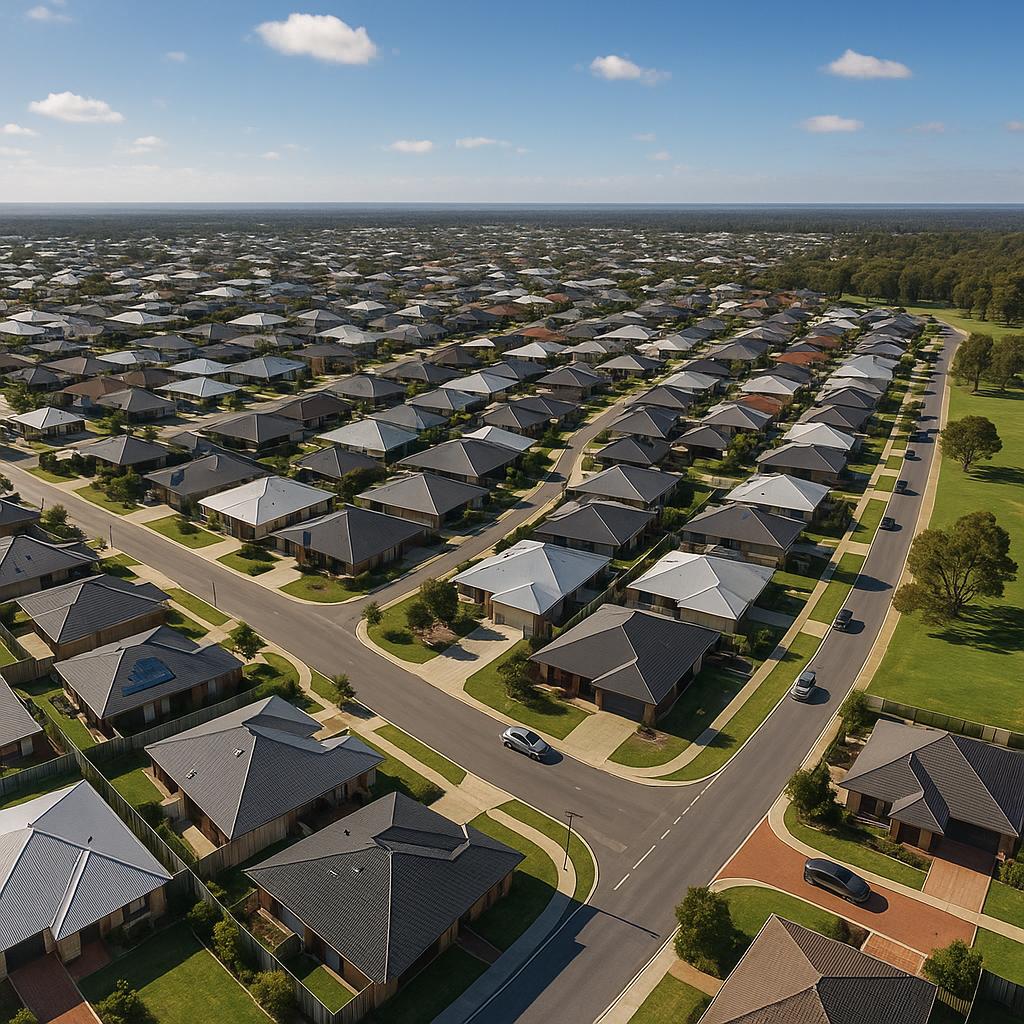
Byford suits buyers who want more space, newer housing options, and a lifestyle-led suburb with long-term growth potential rather than inner-city convenience. For investors, the strongest strategy is to target practical, family-friendly homes with broad tenant appeal and low-maintenance features. The suburb is most compelling when you compare actual commute times, estate quality, and access to schools and shops, because those factors matter more here than small differences in finish or façade.
Key Takeaways
- Byford is a lifestyle-and-growth suburb, not a dense urban market, so buyer priorities are usually different from inner Perth.
- Families and upgraders often value space, usable yards, and modern layouts more than walkability or café density.
- Investors should focus on homes that fit local tenant demand: practical, low-fuss, and close to everyday essentials.
- Estate quality, transport access, and school convenience can influence value almost as much as the property itself.
- The best purchase depends on whether you want liveability now, rental reliability, or a long-term land-and-location play.
Pros & Cons
Pros
- More space than many Perth suburbs, often with family-friendly home designs.
- Strong appeal for buyers who want a quieter lifestyle without leaving the metro orbit.
- Newer estates can offer modern streetscapes and easier-to-lease homes.
Cons
- Travel times can be longer than in inner or middle-ring suburbs.
- Some daily needs still rely heavily on car travel.
- New supply can create competition among similar homes for tenants and buyers.
Market Overview
Byford sits in Perth’s south-eastern growth corridor and is widely treated as a suburb for households that prioritise space, practicality, and a community feel. It has a mix of newer estates and more established pockets, so the market is not one-dimensional; house style, block size, and estate maturity all shape appeal.
For owner-occupiers, Byford often works as an upgrade from smaller urban lots. For investors, it tends to suit properties that are easy to maintain and easy to live in, because the local buyer and tenant pool usually wants functional family housing rather than highly specialised stock.
The main market question is whether you are buying the suburb story or the property itself. In Byford, that distinction matters: a strong property in the wrong pocket can underperform, while a sensible home near everyday amenities can hold broader appeal over time.
Buyer Demand
Demand is usually driven by first-home buyers, families, and upgraders who want more room for the money. That creates steady interest in homes with multiple bedrooms, open-plan living, outdoor space, and enough parking for daily life to feel easy.
Buyers commonly compare house size, block usability, and convenience to schools or commuter routes. If you are assessing a property here, focus on whether it fits the suburb’s core demand profile rather than trying to force an inner-city standard of amenity onto an outer-metro market.
Rental Market
Byford generally appeals to tenants who want family-sized accommodation, secure yards, and low-maintenance living. Rental performance is often shaped by layout quality and practical features more than premium finishes, because many tenants are solving everyday household needs.
For investors, that means a well-designed three- or four-bedroom home in a convenient pocket can be more compelling than a larger but awkward property. Check live listings and recent rented results before buying, because the local rental pool can vary by estate, home type, and presentation.
Lifestyle, Transport & Schools
Byford’s lifestyle appeal comes from its quieter pace, bigger blocks in some areas, and family-oriented atmosphere. It suits buyers who want room for children, pets, or hobbies, and who are happy to trade some convenience for a less crowded environment.
Transport is a practical consideration rather than a minor detail. Most households still depend on cars for daily routines, so commute routes, parking, and access to local services should be checked before purchase. That matters for both owner-occupiers and tenants.
School access and family services are central to how many people assess the suburb. Buyers should verify local school catchments, childcare options, and the real distance to parks, shops, and public transport stops, rather than relying on map pins alone.
Byford Suburb Profile
Official 2021 Census snapshot for the ABS Suburbs and Localities geography.
Age profile
Housing tenure
Occupied private dwellings by tenure type.
Salary & income profile
Median total income reported in the Census.
*Annual figures are weekly median × 52 estimates, not separate ABS annual medians.
Education & qualifications
Highest educational attainment, people aged 15+.
Employment status
People aged 15+ who reported being in the labour force.
Industry of employment
Top responses among employed people aged 15 years and over.
Occupation profile
Broad occupation groups among employed residents, including managers.
Property Type Guide
- House-and-land and new builds: Best for buyers wanting modern finishes, lower immediate maintenance, and a simple tenant proposition.
- Established homes on larger blocks: Better for buyers who value land, outdoor utility, shedding potential, or future extension flexibility.
- Family homes in newer estates: Often align well with Byford’s core demand because they combine usability, presentation, and low-fuss living.
- What to check: Layout practicality, storage, parking, yard usability, and access to daily essentials should carry real weight in your decision.
Risks & Watch-Outs
- Do not underestimate daily travel time; Byford can feel very different in peak traffic than it does on a quiet weekend.
- Some pockets may be more dependent on driving than buyers expect, which affects both liveability and tenant appeal.
- Newer supply can place pressure on rental competition, especially where similar homes compete in the same estate.
- Larger blocks can be attractive, but they can also mean more maintenance, higher upkeep, and a slower ownership experience.
- A property that looks polished online may still be a poor fit if its layout, parking, or access does not suit local demand.
Nearby Suburbs to Compare
- Armadale WA Property Market Guide: Buyers & Investors
- Baldivis WA Property Market Guide: Buyers & Investors
- Rockingham WA Property Market Guide: Buyers & Investors
- Mandurah WA Property Market Guide: Buyers & Investors
FAQ
Is Byford good for first-home buyers?
Yes, if you want more space and a suburban lifestyle rather than a small inner-area dwelling. First-home buyers often like the newer housing stock and functional family layouts, but they should weigh commute time and ongoing running costs carefully.
Is Byford a good suburb for investors?
It can be, provided the property matches the local tenant profile. The strongest rental prospects usually come from practical homes with broad family appeal, sensible layouts, and good access to amenities. Always verify current rental demand using live listings.
What types of properties are most popular in Byford?
Homes that suit family living tend to stand out: three or four bedrooms, secure outdoor space, and low-maintenance design. Established homes on bigger blocks can also appeal, especially where they offer usable land without excessive upkeep.
How should buyers judge value in Byford?
Look beyond the asking price and compare block usability, estate maturity, access to schools, and daily convenience. In outer-growth suburbs, a property’s practical fit often matters more than cosmetic upgrades or a small difference in internal finishes.
What should I verify before buying in Byford?
Check commute routes, local school details, estate conditions, and recent sold or rented comparables. If you are investing, also assess tenant demand for the specific property type and whether similar homes are competing heavily nearby.
Conclusion
Byford is best approached as a lifestyle-led growth suburb with genuine appeal for families, upgraders, and investors who value livability over density. The smartest buyers will compare pockets, not just suburbs, and focus on practical features that match local demand. If the home fits the way people actually live here, it has a better chance of holding relevance over time.
Sources & How to Verify
- Check current sold prices and listing depth on Domain so you are not relying on stale market assumptions.
- Review live rental stock and asking rents on realestate.com.au to confirm what tenants are actually competing for now.
- Use the Australian Bureau of Statistics to understand the broader demographic context before drawing conclusions about household demand.
- Check transport and road planning updates with Main Roads WA / Transport WA so commute assumptions reflect current conditions.
- Confirm local planning and development information through the Shire of Serpentine Jarrahdale rather than relying on marketing material.
- Verify school catchment, enrolment, and school-specific details directly through WA School Finder and the relevant school.
- Cross-check medical, retail, and community access by using official provider sites and current maps, because convenience can change as estates expand.